Imagine a penguin standing as tall as an adult human and weighing as much as a large person. Around 60 million years ago, a giant seabird of this kind swam through the ancient oceans near New Zealand, and its fossilized bones are now helping scientists uncover how enormous penguins evolved.

The remarkable remains were discovered on New Zealand’s South Island by an amateur fossil hunter who found leg bones belonging to the previously unknown species. Researchers later confirmed the discovery in a study published in Alcheringa: An Australasian Journal of Palaeontology.
According to the researchers, the giant penguin stood approximately 1.6 meters (5 feet 3 inches) tall and weighed around 80 kilograms (176 pounds). That would make it roughly 40 centimeters taller and about four times heavier than a modern emperor penguin.
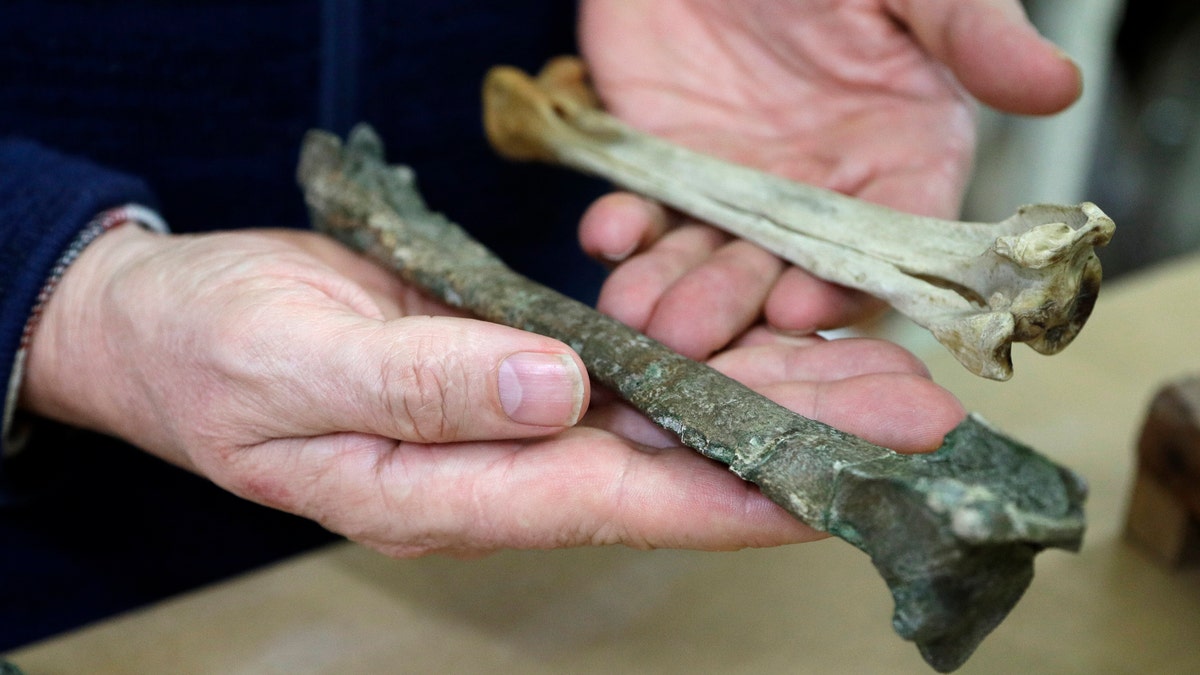
The discovery is particularly significant because the bird lived during the Paleocene, an early chapter of the age of mammals, when penguins were still developing into the powerful swimmers familiar today.
Canterbury Museum researcher Vanesa De Pietri noted that it was the second giant penguin from this period discovered in the region. The finding strengthens the idea that penguins evolved large body sizes surprisingly early in their evolutionary history.
But how did these enormous birds eventually disappear?

Scientists have suggested that the arrival of large marine predators, including seals and toothed whales, may have contributed to the extinction of giant penguins. However, the exact reasons for their disappearance remain uncertain.
New Zealand’s prehistoric ecosystems were home to other extraordinary birds, including giant eagles, enormous parrots and the now-extinct moa. With relatively few land predators in some ancient environments, unusual bird species may have evolved and thrived.
This human-sized penguin offers another fascinating glimpse into that lost world—and shows that penguins were not always the compact, tuxedo-shaped birds we recognize today.