A remarkable discovery in southern France has uncovered what could be one of Europe’s most extraordinary dinosaur nesting grounds — with hundreds of fossilized eggs emerging from the ground after being buried for around 72 million years.
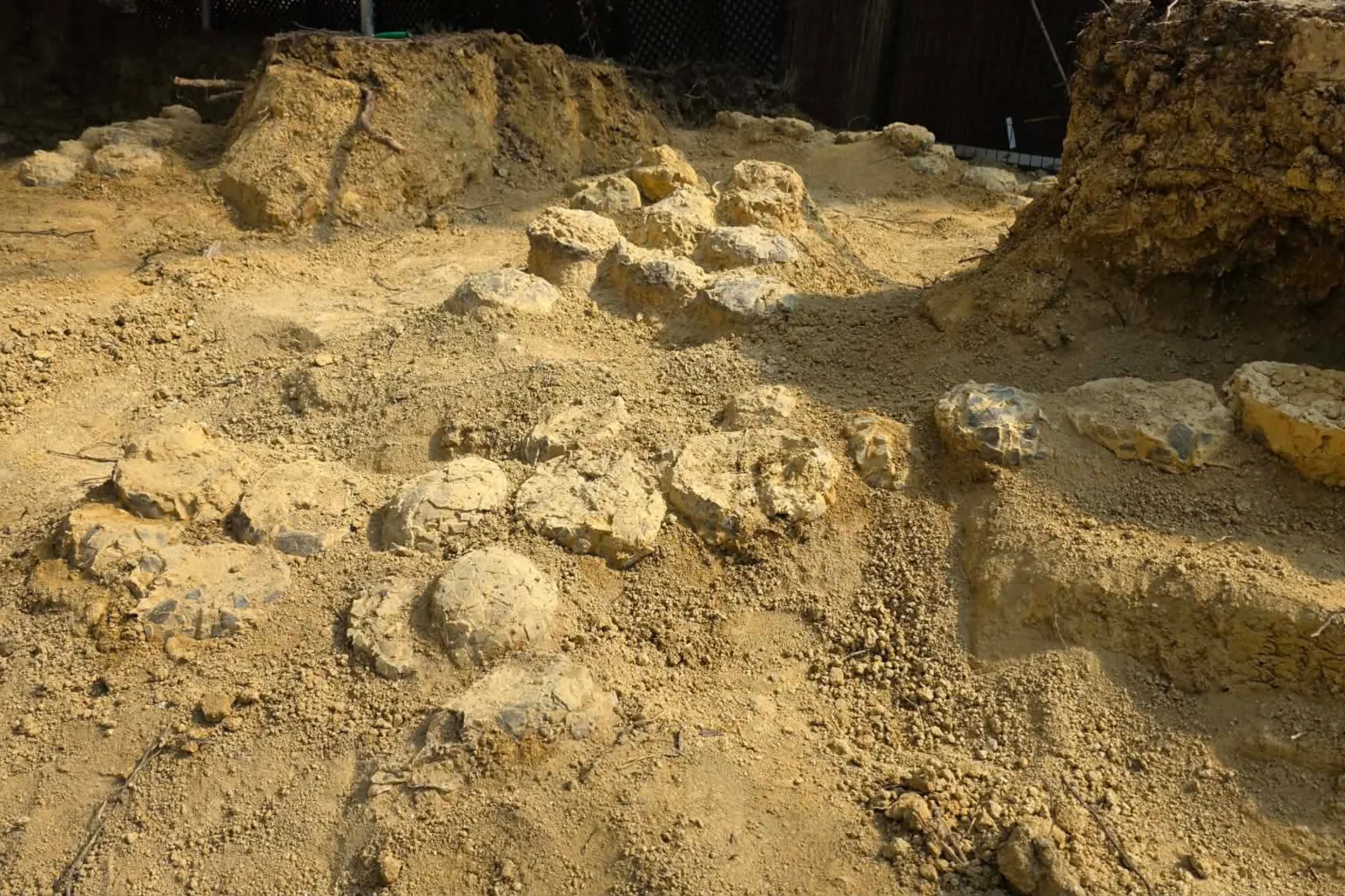
The eggs were discovered at the Mèze fossil site in the Hérault region following months of painstaking excavation. Museum director-curator Alain Cabot described the concentration as exceptional, saying such dense deposits are extremely rare.
In most fossil sites, researchers may find only a handful of dinosaur eggs. At Mèze, however, teams have uncovered hundreds.
Even more astonishingly, some of the fossils reportedly retain intact internal structures, potentially providing scientists with an unusually detailed glimpse into dinosaur reproduction and the environment in which these animals lived.
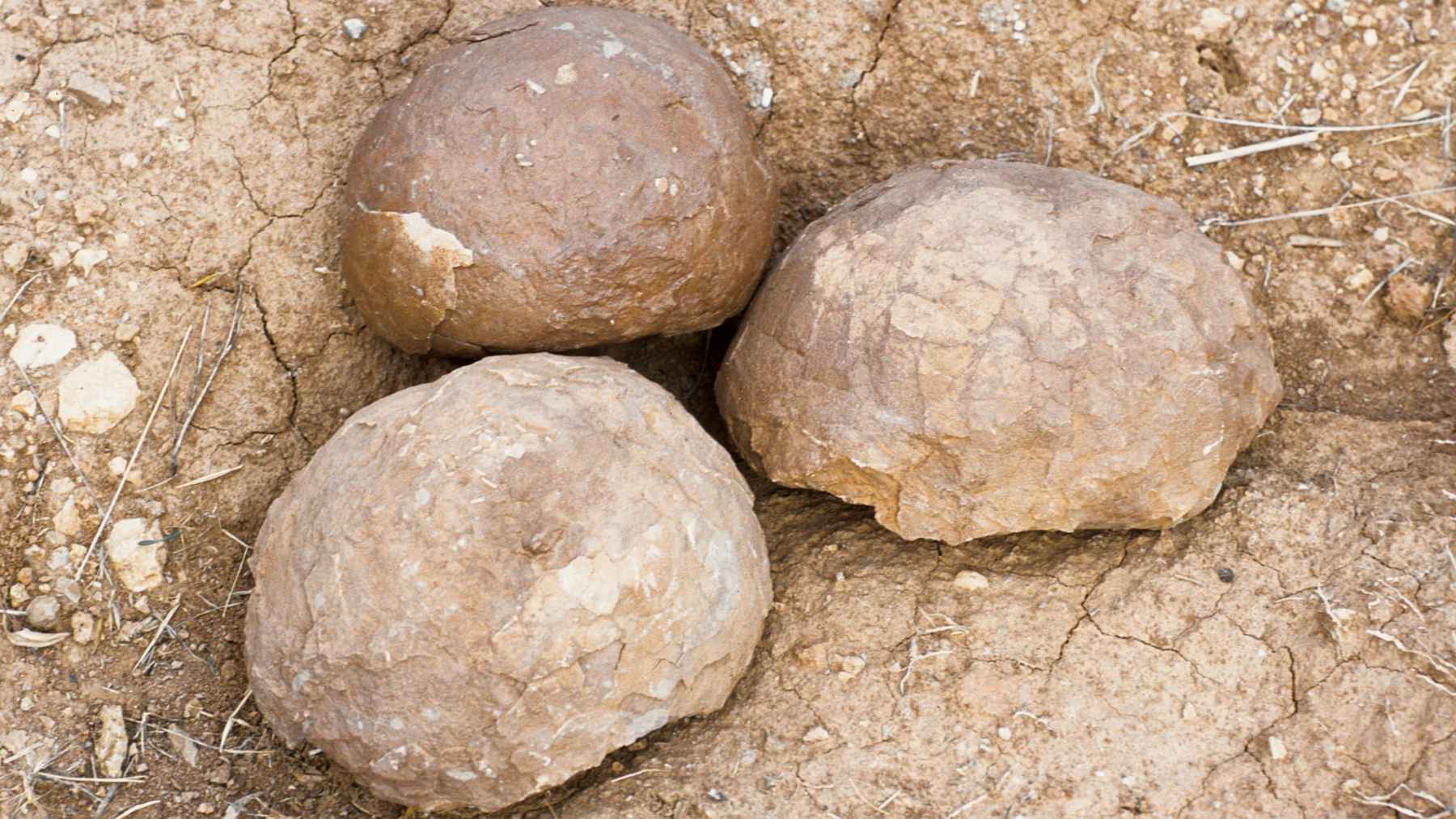
Researchers believe the enormous concentration of eggs points to a vast communal nesting ground — essentially a fossilized reproductive ecosystem preserved beneath the French landscape.
The discovery represents nearly three decades of work at the site. Cabot initially searched the surface for fragments of eggshell before carefully excavating the layers below, eventually leading to the first discoveries almost 28 years ago.
And the excavation may be far from finished.
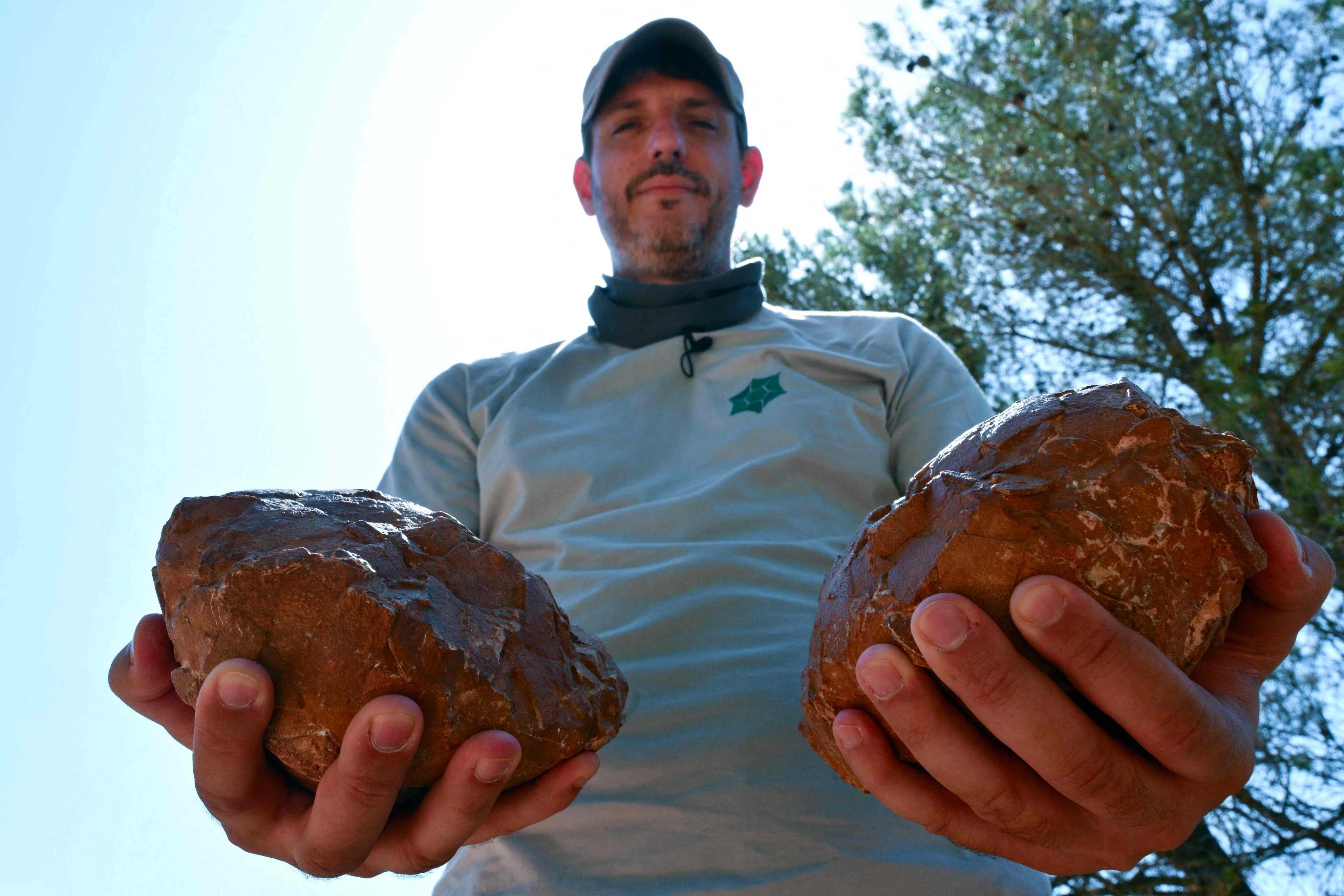
More than 100 eggs reportedly became visible within weeks after researchers reached a fossil-rich horizontal layer, while the egg-bearing deposit appears to extend beyond the current excavation trench.
What lies beneath the untouched ground could reveal even more about how dinosaurs reproduced, nested and lived millions of years ago.