For more than six decades, Hanako lived inside a small concrete enclosure at Inokashira Park Zoo in Tokyo, Japan. With no grass or trees and no elephant companions for decades, her story eventually drew international attention—and raised painful questions about the lives of animals kept in captivity.
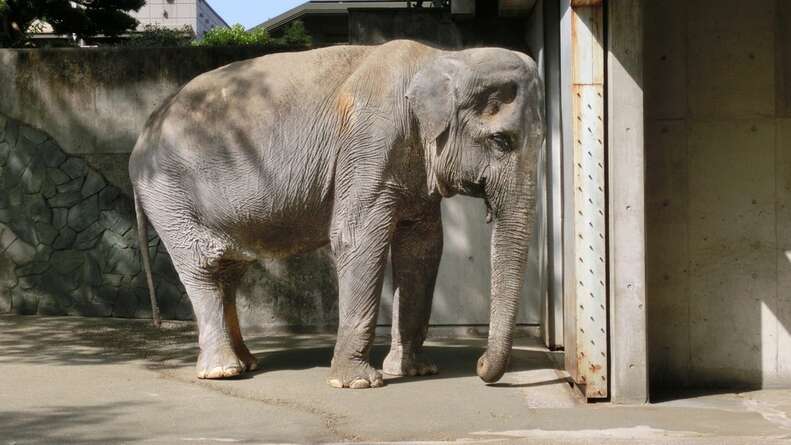
Born in Thailand in 1947, Hanako was sent to Japan when she was just two years old. She arrived at Ueno Zoo as a replacement for elephants that had died during World War II. What followed was a life largely separated from the social connections that are so important to elephants.
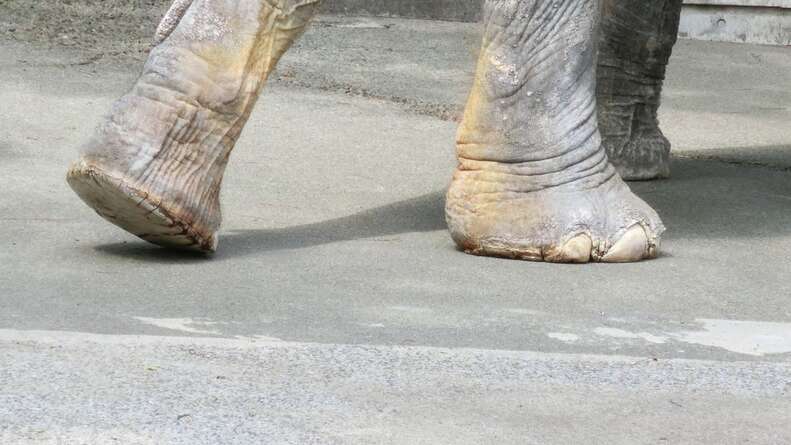
In 2015, visitor Ulara Nakagawa shared her concerns about Hanako’s living conditions online. She described the elderly elephant standing almost motionless, while videos showed her repeatedly swaying from side to side. This repetitive movement, known as stereotypic behavior, can be associated with stress or a lack of stimulation in captive animals.
The public outcry prompted discussions about improving Hanako’s environment. Inokashira Park Zoo consulted animal welfare expert Carol Buckley and announced plans to make changes to Hanako’s surroundings and daily routine. However, the improvements came late in the elephant’s life.
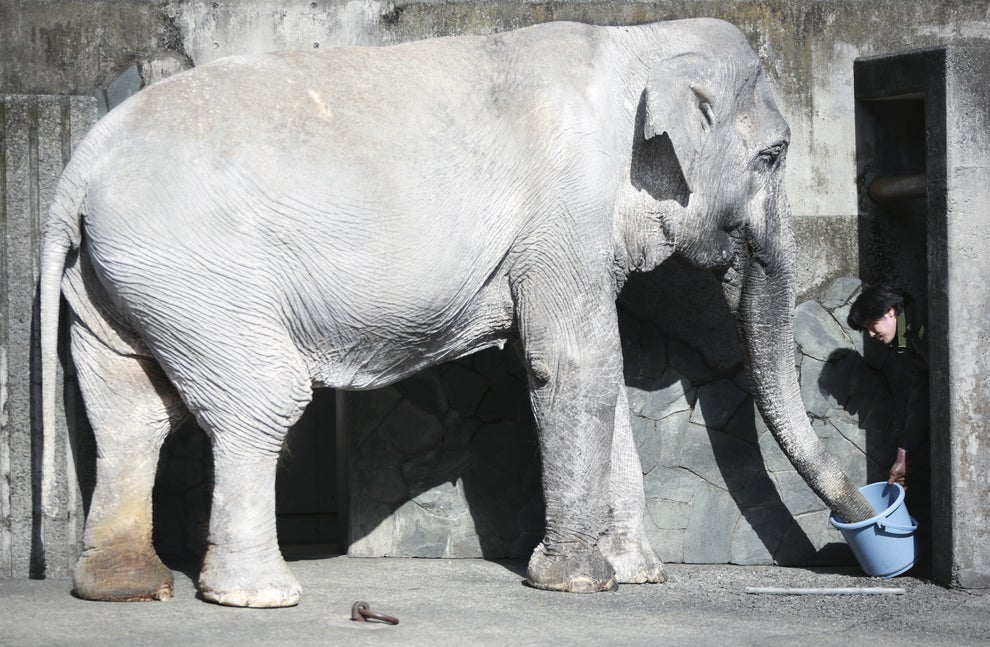
On the morning of May 26, 2016, keepers found Hanako collapsed in her enclosure. They attempted to reposition her to ease the pressure of her own weight, but she died several hours later. She was 69 years old.
Hanako’s death left behind a difficult reminder: elephants are highly social animals that form lasting bonds with their families and companions. Her long life in isolation continues to inspire conversations about animal welfare, enrichment, and the responsibility humans have toward animals living in captivity.