A remarkable discovery in western Argentina has revealed a dense mass of fossilized bones belonging to nearly a dozen ancient animals — offering a rare glimpse into a prehistoric world that scientists still know surprisingly little about.
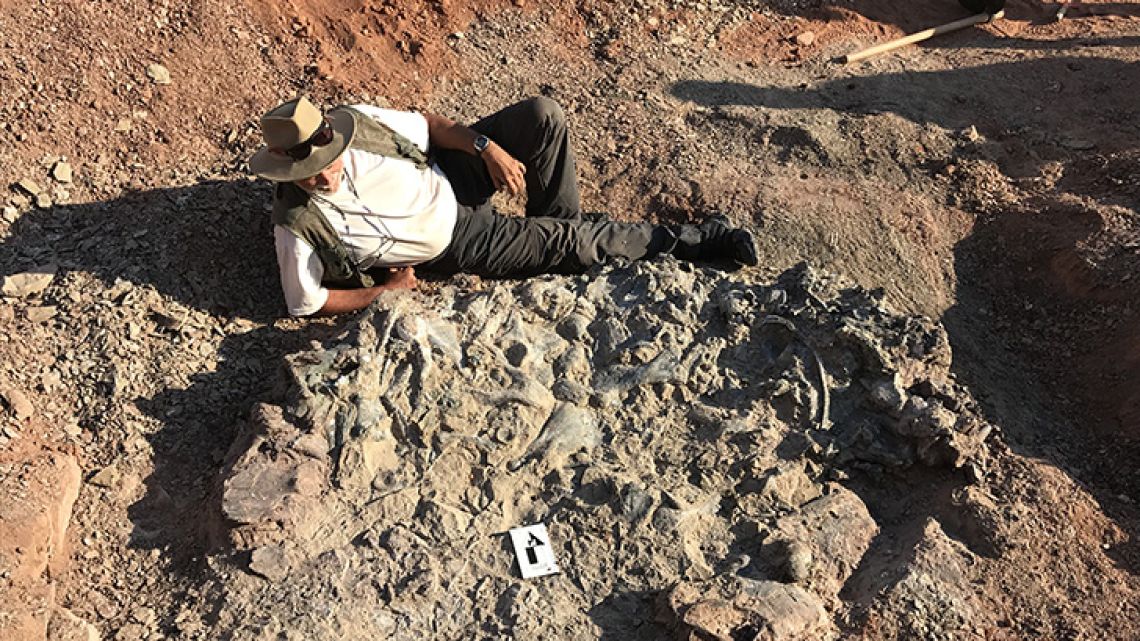
The fossils, estimated to be around 220 million years old, were discovered in San Juan Province, approximately 680 miles west of Buenos Aires.
Argentinian paleontologist Ricardo Martinez, from the University of San Juan, described the site as an extraordinary concentration of remains, with almost no sediment separating the bones.
Among the most significant finds were at least seven or eight dicynodonts, ancient, beaked animals that belonged to the broader evolutionary lineage leading toward mammals. Some were reportedly comparable in size to modern oxen, making the discovery especially valuable for understanding the animals that inhabited Earth before dinosaurs came to dominate many ecosystems.
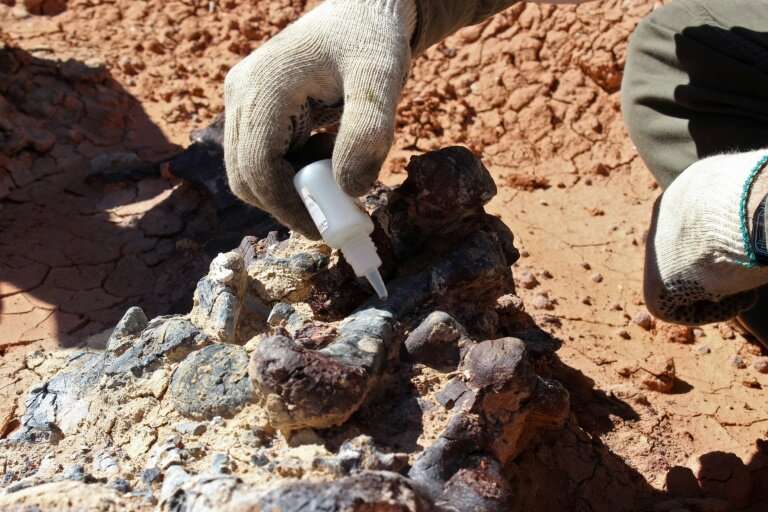
Researchers also identified remains of archosaurs — a diverse group of reptiles that includes the ancestors of modern crocodilians and dinosaurs, as well as pterosaurs.
These animals lived during the Triassic Period, a pivotal chapter in Earth’s history when major reptile groups were diversifying and early dinosaurs were beginning to emerge.
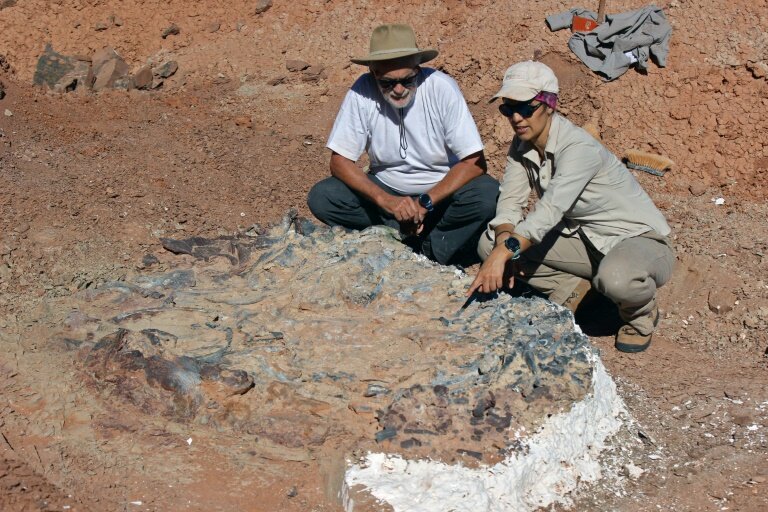
The extraordinary concentration of fossils raises important questions about how so many animals came to be preserved together. They may represent a prehistoric accumulation formed by environmental conditions that brought their remains to the same location, although the precise explanation requires further investigation.

For scientists, the site is more than a collection of ancient bones. It offers a rare opportunity to investigate an ecosystem from a poorly understood period in Earth’s distant past.
And with so many individuals preserved in one place, these fossils may reveal unexpected details about the animals that lived before the age of the dinosaurs reached its peak.