More than 230 million years ago, a small dinosaur walked across a world vastly different from the one we know today. Now, its remarkably preserved remains have emerged from the remote Andes of Argentina, offering scientists a rare glimpse into the earliest chapters of dinosaur evolution.
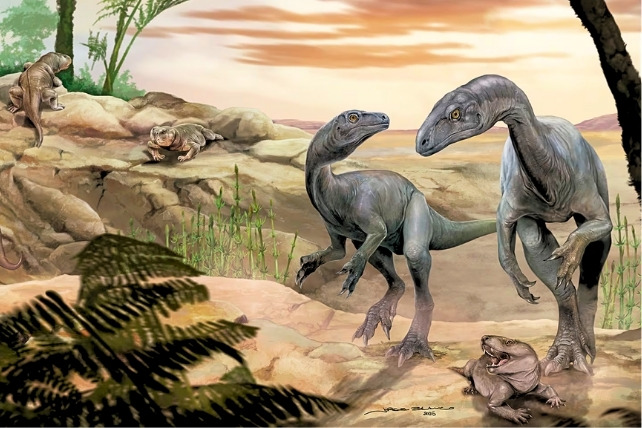
The newly identified species, Huayracursor jaguensis, was discovered in the rugged La Rioja province of northwestern Argentina, at an elevation of more than 3,000 meters (9,840 feet) above sea level.
Measuring approximately 6.6 feet (2 meters) long and weighing around 40 pounds (18 kilograms), the creature was modest in size. Yet its age and anatomy make it particularly important to researchers studying how dinosaurs first evolved.

The fossil was recovered from Triassic rocks in the Quebrada de Santo Domingo, a remote landscape where expeditions can involve difficult off-road journeys, isolated camps and freezing nights.
Despite these challenges, the discovery could help scientists better understand the early diversity of dinosaurs and the evolutionary changes that eventually gave rise to enormous long-necked sauropods.

These later dinosaurs became some of the largest land animals ever to exist, but their origins remain an important subject of scientific investigation. Early dinosaurs were generally much smaller, and fossils such as Huayracursor jaguensis can help researchers trace the anatomical changes that unfolded over millions of years.
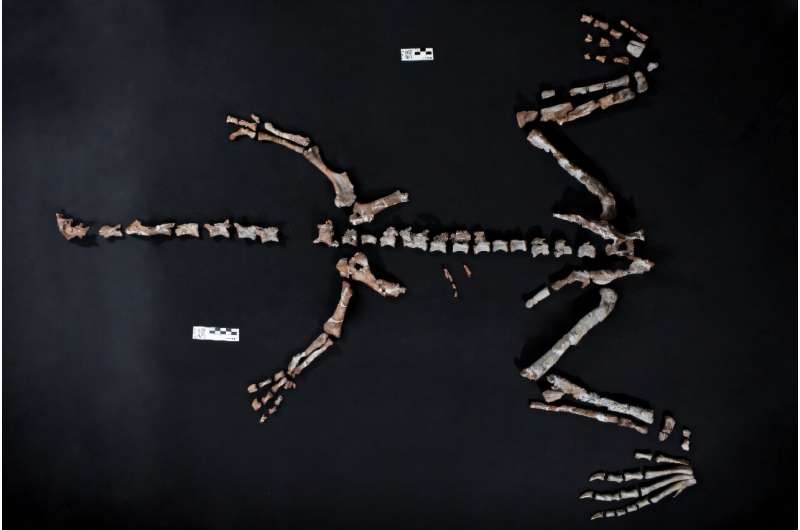
Its combination of primitive and distinctive features may provide new clues about how these early animals were related to other dinosaurs.
Although further research is needed to clarify its precise place in dinosaur evolution, one thing is clear: some of the most important clues to the rise of the dinosaurs are still hidden in Earth’s most remote landscapes.