A tiny reptile that prowled across southern Brazil 237 million years ago could hold clues to one of the biggest mysteries in prehistoric history: how dinosaurs eventually came to dominate the planet.
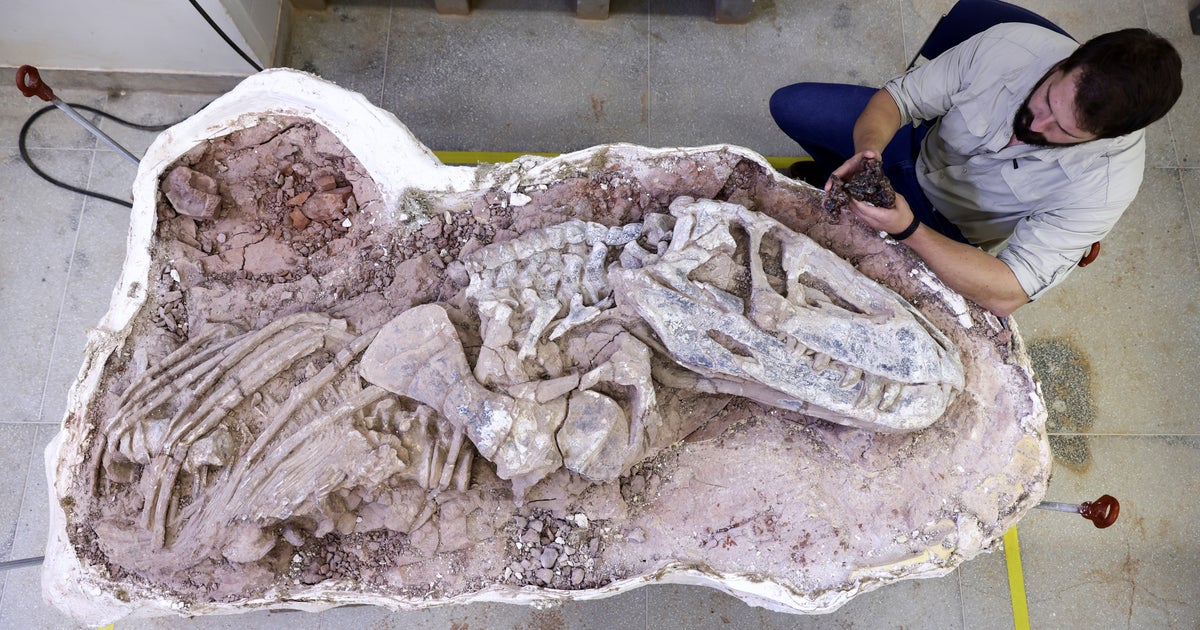
Scientists have identified the fossil as a previously unknown species named Gondwanax paraisensis, an ancient four-legged reptile that was roughly the size of a small dog.
It measured around three feet long, including its long tail, and is estimated to have weighed between 7 and 13 pounds.
The creature lived during the Triassic Period, when the world was undergoing dramatic evolutionary changes. Dinosaurs, early mammals, crocodile relatives, turtles and frogs were all beginning to emerge and diversify.

But Gondwanax belonged to an especially intriguing group known as silesaurids. Paleontologists continue to debate whether these animals were true dinosaurs or represented a closely related lineage that appeared just before them.
That makes the fossil potentially important for understanding how dinosaurs gained their evolutionary advantage.
“Understanding the characteristics of these precursors could shed light on what was crucial for the dinosaurs’ evolutionary success,” scientists said.
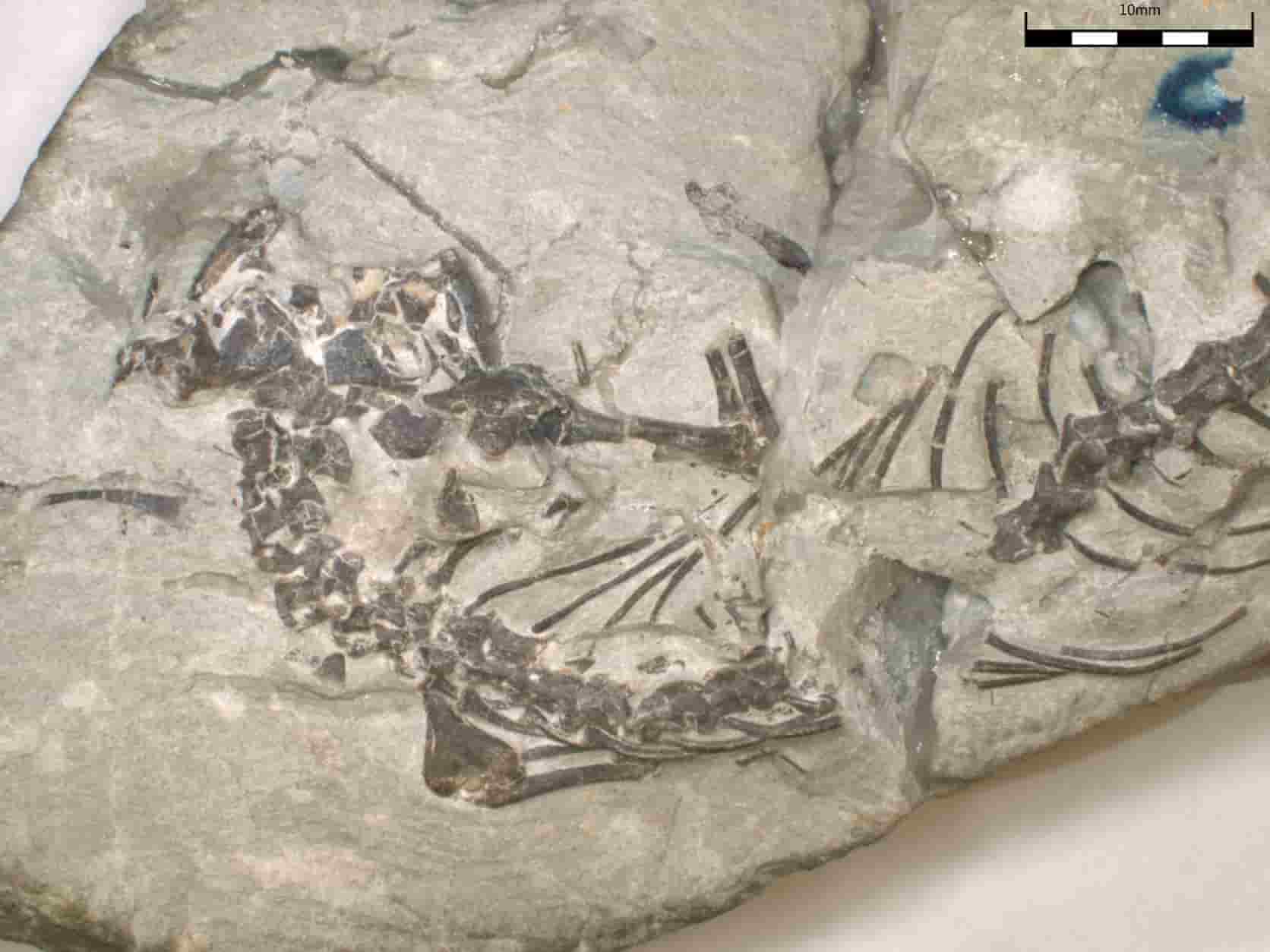
The fossil was discovered in 2014 by physician Pedro Lucas Porcela Aurelio near the town of Paraiso do Sul in Brazil’s Rio Grande do Sul state.
For millions of years, the small reptile remained hidden inside ancient rock.
Now, its bones could help researchers piece together what happened during the mysterious evolutionary transition that eventually produced some of the most extraordinary animals ever to walk the Earth.