Is the Boston Celtics Organization Too Tied to the Past?

What if the greatest obstacle to the Celtics’ future isn’t an opposing superstar, a coaching issue, or even roster imbalance, but nostalgia?

Al Horford wants to keep going. At 38, he still logs meaningful minutes, commands respect in the locker room, and brings leadership that can’t be measured in stats. He’s the definition of a professional. But at what point do we stop asking “Can he still play?” and start asking “Should he still be playing for Boston?” More provocatively, are we watching a contract extension driven by logic or by sentimentality?
That’s not an easy question to ask. We’re talking about a living legend in Celtics lore. Horford isn’t just another player. He’s a symbol. A veteran who has weathered rebuilds, deep playoff runs, and even an NBA title. He’s universally respected by teammates, opponents, and fans alike. But respect, however well-earned, doesn’t always align with competitive strategy.
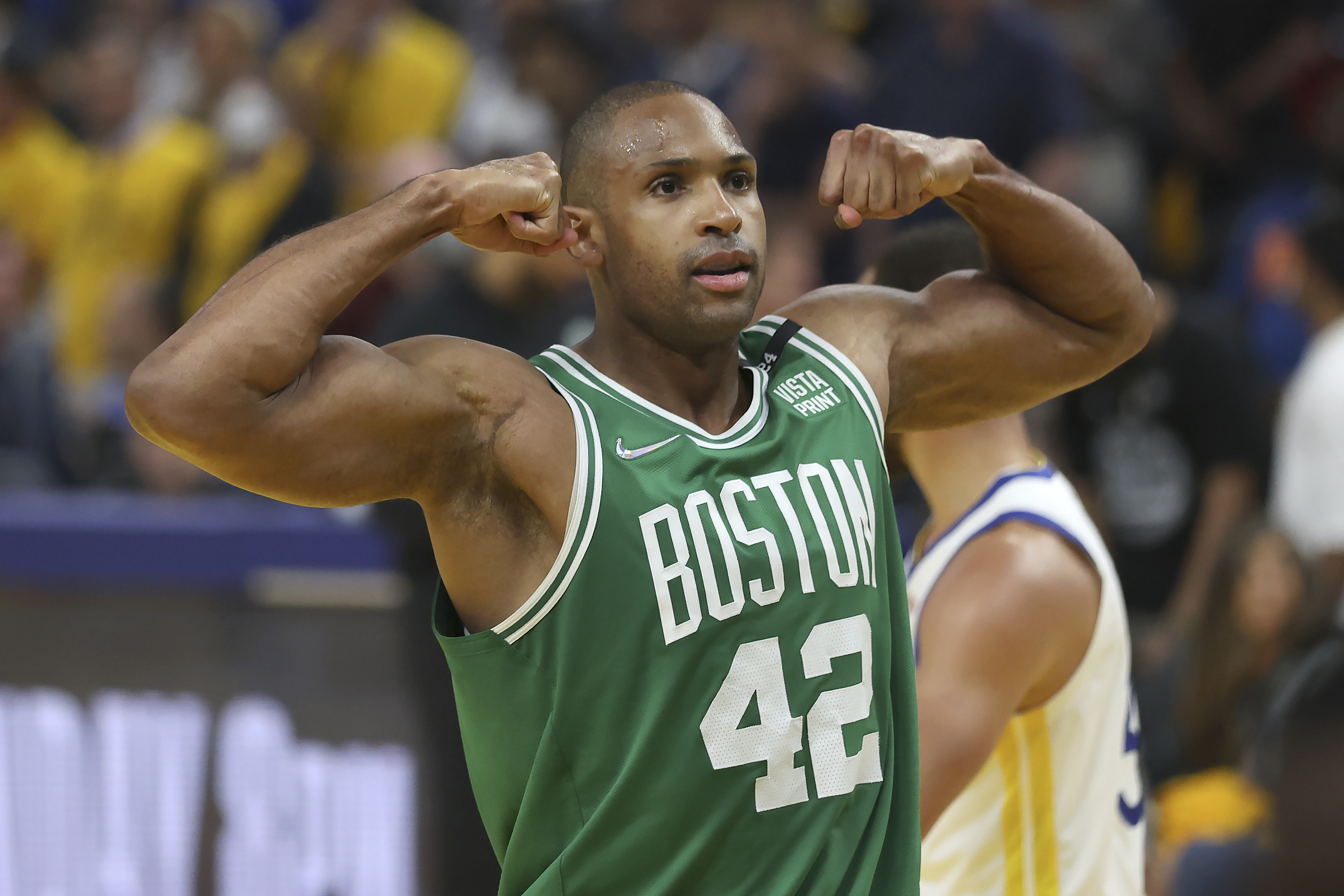
Since his arrival in 2016, Horford has been the silent cornerstone behind Boston’s steady rise. He brought stability when the franchise was still forming its identity and was a key piece when it finally hit its stride. His defensive IQ, passing, and ability to stretch the floor made him indispensable in moments that mattered. In 2022, he was the heart of Boston’s playoff surge. In 2024, he adapted brilliantly, filling gaps and plugging holes en route to an eighteenth banner.