They were promised a new beginning — a land of safety, space, and peace.
But for 263 elephants moved from Malawi to Zambia, that promise soon turned into pain. What was meant to be an act of compassion became one of the most heartbreaking conservation stories in recent years.
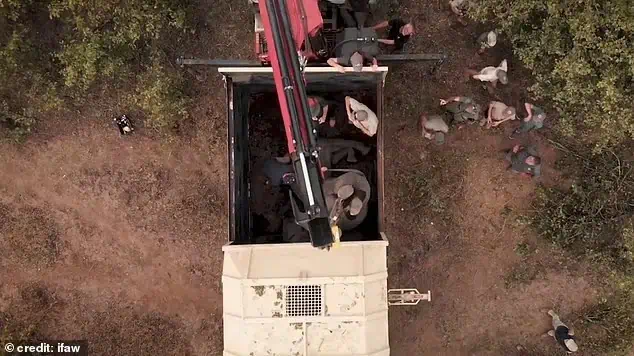
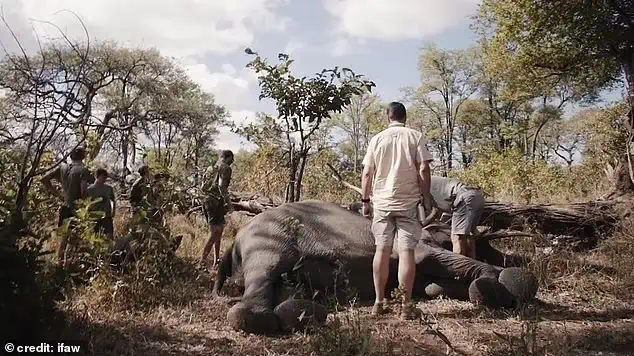
In July 2022, the International Fund for Animal Welfare (IFAW) oversaw one of Africa’s largest elephant relocations: a massive operation to transfer elephants from Liwonde National Park in Malawi to Kasungu National Park, on the border with Zambia.
The goal was noble — to relieve overcrowding and protect habitats. But on the ground, the reality was far more complicated… and devastating.
Since their arrival, at least nine people have been killed, and local farmers have suffered over $3 million in losses as herds trampled fields, raided grain stores, and destroyed homes.
The once-celebrated “Freedom Move” soon became a nightmare for communities caught in the middle of a human–elephant war.
“If 263 hyenas were released in London and killed people, there would be outrage,” said Mike Labuschagne, a former IFAW officer who worked in Kasungu.
“But here, in Africa, it’s dismissed as a risk of living near wildlife.”
The elephants, confused and disoriented, began to wander into farmland in search of food and water.
Families now live in fear — beating drums, lighting fires, and setting off fireworks through the night to keep the giants away.
Children no longer walk alone. Farmers harvest in silence, their hearts heavy with dread.
One of them, Abraham Phiri, lost his father to an elephant attack near the border.
Another, Levison Banda, saw his income collapse after his maize fields were ravaged.
“There’s no compensation, no help,” he said quietly. “We were told the elephants would bring tourists. But they only brought fear.”
Meanwhile, IFAW — a global conservation giant with a $127 million annual budget — insists that the relocation decision came from the Malawian government, not them. Yet critics argue the charity failed to consider the long-term impact on local lives.
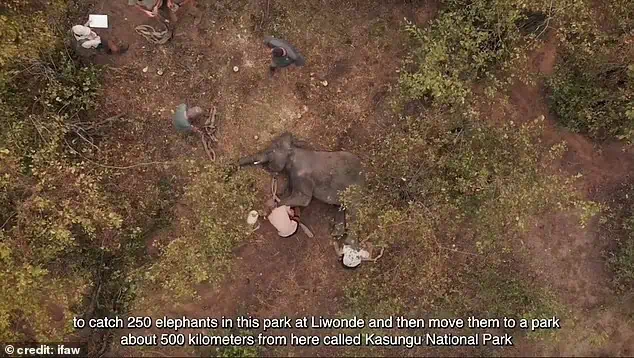
The relocation was not just about elephants. Alongside them, 80 buffalo, 128 impalas, 33 sable, 81 warthogs, and 109 waterbucks were also moved.
It was meant to be a triumph of modern conservation — a symbol of harmony between man and nature.
Instead, it exposed a painful truth: without empathy for the people who live beside wildlife, even the purest intentions can turn destructive.
Now, in the golden dusk of Kasungu, villagers light fires on the edges of their fields, while the elephants stand in the distance — their massive silhouettes unmoving, almost sorrowful.
Both sides stare across the same land, both haunted by loss, both asking the same silent question:
Who really belongs here… and who has been displaced?
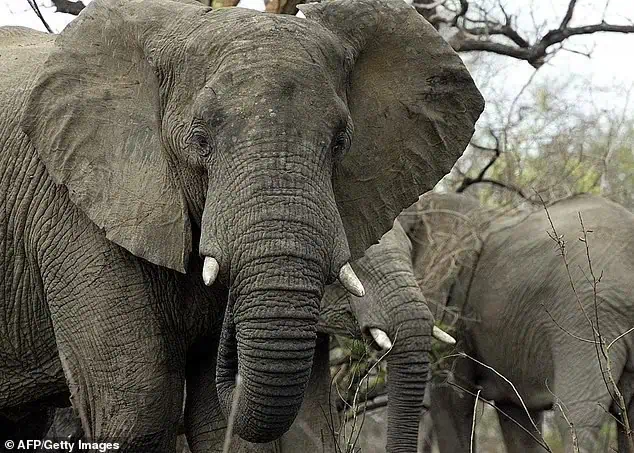
Because in the end, these elephants didn’t want conflict.
They didn’t want bloodshed.
They only wanted freedom.
But that freedom came wrapped in tragedy.