A remarkably preserved fossil is revealing a surprising chapter in the history of pythons: these powerful constrictor snakes once lived in Europe more than 47 million years ago, sharing their ancient habitat with another group of large snakes.
The discovery was made at Germany’s Messel Pit, a UNESCO World Heritage Site famous for its exceptionally preserved fossils. There, paleontologist Krister Smith of the Senckenberg Research Institute and his Brazilian colleague Hussam Zaher identified nearly complete remains of an ancient python measuring approximately one meter long.
The species was named Messelopython freyi in honor of Eberhard “Dino” Frey, a paleontologist at the State Museum of Natural History in Karlsruhe. Described in the scientific journal Biology Letters, the fossil represents the oldest known record of a python anywhere in the world.
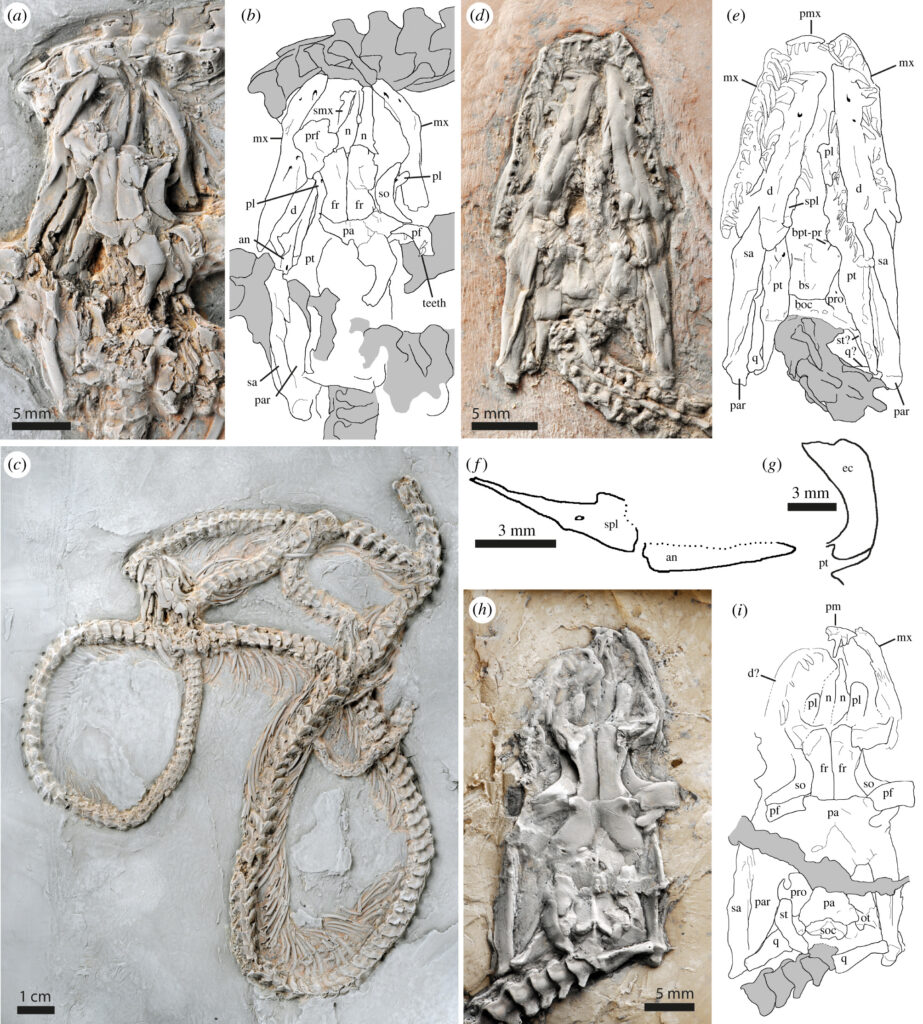
The discovery challenges the assumption that pythons originated and evolved exclusively in regions where their modern relatives are commonly found. According to the researchers, the evidence points to an early evolutionary history rooted in Europe during the Eocene, when the continent experienced a much warmer climate than it does today.
Perhaps even more intriguing, Messelopython freyi lived alongside primitive boas, including Eoconstrictor fischeri. Modern pythons and boas are anatomically similar, but their ancient relatives appear to have shared the same ecosystem.
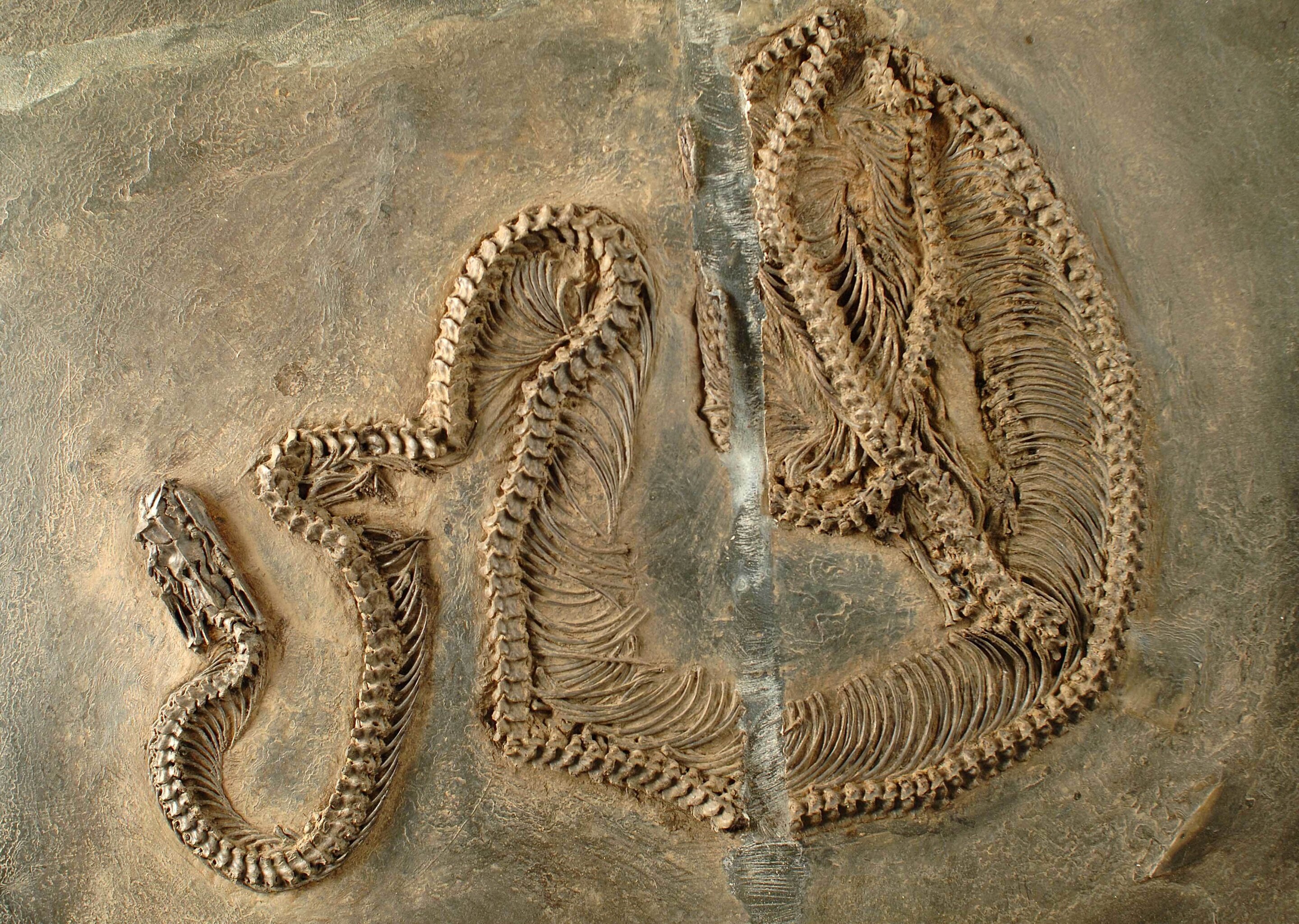
This coexistence raises questions about the long-standing idea that competition between these snake groups prevented them from occupying the same habitats.
Pythons later disappeared from the European fossil record for millions of years, only to reappear during the Miocene before vanishing again as the climate cooled.
After lying hidden for tens of millions of years, this fossil is offering scientists a fresh perspective on the evolution, distribution and environmental history of some of the world’s most remarkable snakes.