Michael Carrick and the Manchester United Dressing Room Controversy: Did a Player Really Celebrate His Departure?
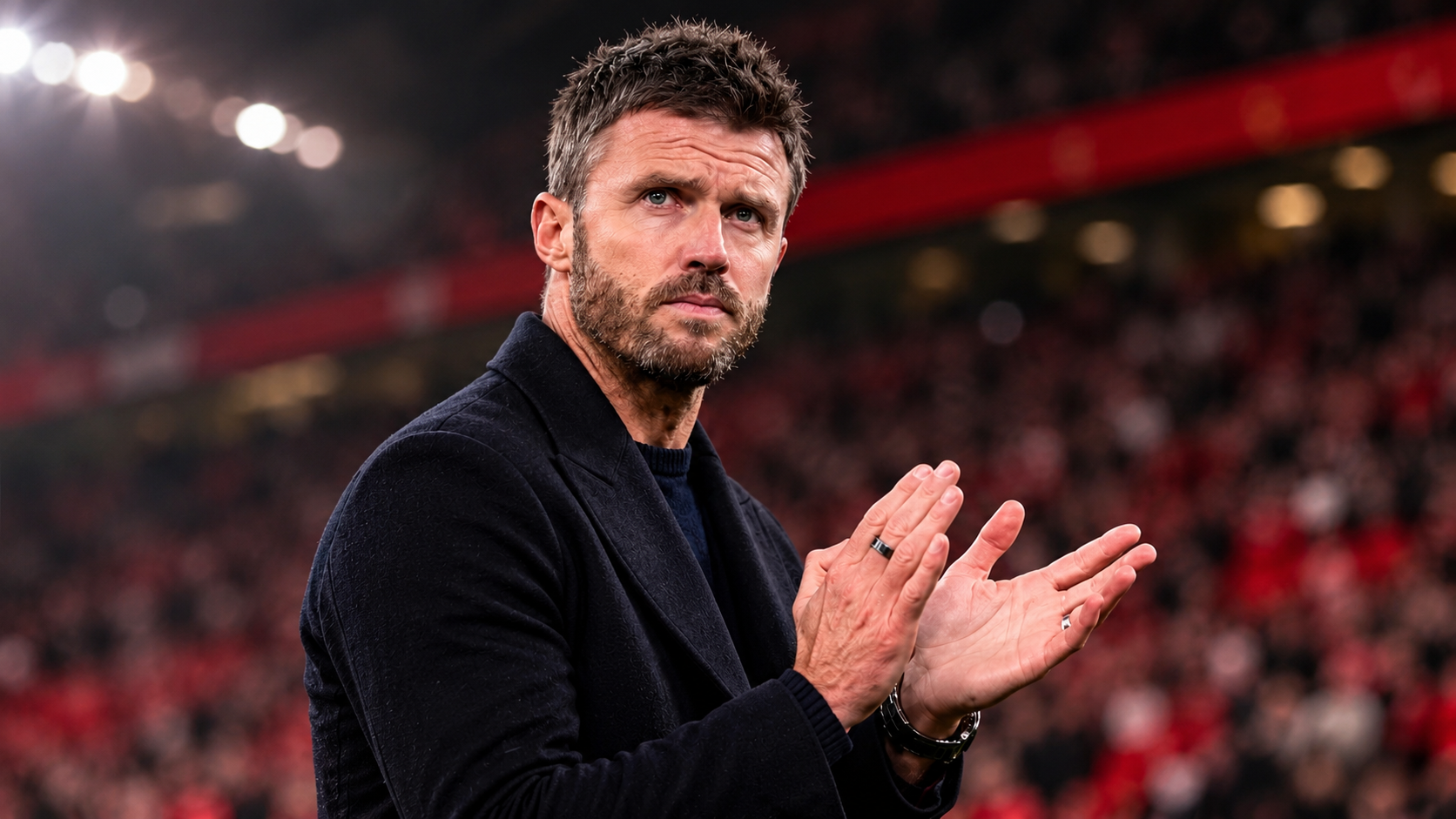
A sensational claim involving former Manchester United manager Michael Carrick has sparked debate among football supporters, with allegations circulating that a senior player celebrated his departure and privately questioned his leadership behind the scenes.
The story, which has attracted attention across social media, suggests that Carrick was betrayed by someone within the dressing room and that the player allegedly played a role in convincing the club’s hierarchy that the manager had lost control of the squad.
However, there is currently no reliable evidence confirming that Carrick made the alleged comments or publicly identified a Manchester United player as responsible for undermining him. The dramatic quotations circulating online should therefore be treated with considerable caution.
Nevertheless, the subject touches on a familiar and uncomfortable issue at Old Trafford: the complicated relationship between managers, players and the club’s decision-makers.
Carrick’s complicated history with Manchester United
Carrick is no stranger to Manchester United’s internal pressures. Having enjoyed a distinguished playing career at Old Trafford, the former England international became part of the club’s coaching structure following his retirement in 2018.
He worked under Jose Mourinho and subsequently Ole Gunnar Solskjaer, gaining valuable experience in an environment where expectations are exceptionally high.
His opportunity to take charge came in November 2021, following Solskjaer’s departure. Carrick assumed caretaker responsibilities during a turbulent period, overseeing three matches before leaving his coaching position when Ralf Rangnick arrived as interim manager.
Those three games produced two victories and one draw, including an impressive Champions League result against Villarreal and a memorable Premier League victory over Arsenal.
Although his spell in charge was brief, Carrick demonstrated an ability to manage difficult circumstances and maintain a degree of stability during a challenging transition.
His subsequent managerial career at Middlesbrough provided another opportunity to establish his credentials. Appointed in October 2022, he helped transform the Championship side’s performances and guided them to the play-off semi-finals during his first season.
His time at Middlesbrough eventually came to an end in June 2025, following a disappointing campaign.
The allegations surrounding the dressing room
The viral story focuses on an alleged breakdown in relationships between Carrick and certain Manchester United players.
According to the circulating narrative, one unnamed individual supposedly approached senior figures at the club and expressed concerns that the dressing room had lost confidence in its manager.
The same story claims that the unidentified player subsequently celebrated when Carrick’s departure became official.
These allegations have created an image of a manager fighting against opposition from within his own squad rather than simply struggling with results or tactical limitations.
Such situations are not entirely unfamiliar in modern football.
Managers depend heavily on the support of their players, particularly during difficult periods when performances deteriorate and results become increasingly inconsistent. Once confidence disappears, even the most experienced coaches can find themselves facing an uphill battle.
However, there is an important distinction between genuine dressing-room disagreements and unsubstantiated accusations circulated online.
Without independent reporting, identifiable sources or direct confirmation from Carrick, there is no justification for presenting the alleged betrayal as an established event.
Manchester United’s long-running leadership problem
The wider discussion nevertheless raises important questions about Manchester United’s management structure.
Since Sir Alex Ferguson retired in 2013, the club has experienced repeated managerial changes, with several high-profile appointments failing to deliver sustained success.
David Moyes, Louis van Gaal, Jose Mourinho, Ole Gunnar Solskjaer and Erik ten Hag all experienced the enormous pressure associated with managing one of the world’s most demanding football institutions.
Different managers have introduced different tactical systems, recruitment strategies and dressing-room expectations. Yet the broader challenge has remained remarkably consistent: building a stable team capable of competing for major honours.
One recurring criticism has concerned the balance of authority between managers and players.
At elite clubs, successful management requires more than tactical knowledge. Coaches must establish clear standards, maintain discipline and ensure that every member of the squad understands their responsibilities.
When disagreements emerge, the club’s leadership must determine whether the problem lies with the manager, individual players or the overall structure.
Allowing internal conflicts to remain unresolved can create an atmosphere in which trust gradually disappears.
Could dressing-room politics determine a manager’s future?
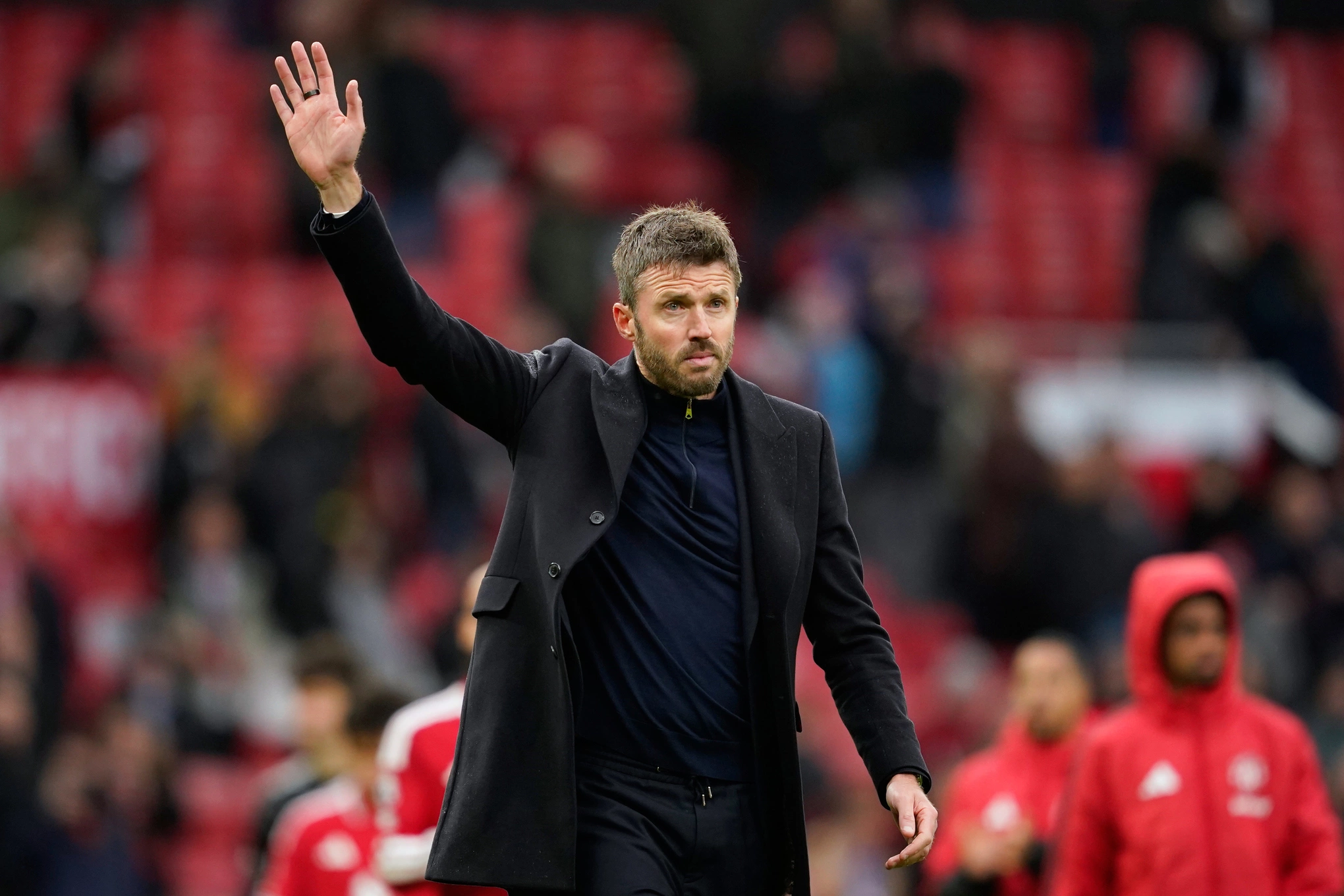
Football history offers numerous examples of managers losing the confidence of influential players.
When senior members of a squad become dissatisfied, their opinions can carry considerable weight. Concerns about training methods, selection decisions, tactical instructions or communication may eventually reach sporting directors and executives.
That does not automatically mean players are deliberately attempting to remove their manager.
Equally, managers cannot expect unconditional support simply because they previously enjoyed successful careers or command significant authority.
The relationship must work in both directions.
For Manchester United, the challenge has always been ensuring that decisions are made according to a coherent long-term sporting strategy rather than temporary frustration.
The club needs a structure in which managers receive appropriate support, players are held accountable and disagreements are addressed professionally.
The truth behind the Carrick story
For now, the dramatic suggestion that a Manchester United player celebrated Carrick’s dismissal remains unverified.
There is no substantiated public evidence identifying the alleged individual, confirming that he approached the board or demonstrating that Carrick himself accused anyone of betrayal.
That distinction matters, particularly when accusations could damage the reputation of identifiable footballers.
What is undeniable, however, is that Manchester United’s recent history has demonstrated how fragile relationships between managers, players and executives can become when results fail to meet expectations.
Carrick’s connection with the club makes any discussion involving his time at Old Trafford particularly interesting. He understands the institution from both sides of the touchline, having experienced its culture as a player and as a coach.
Whether the latest claims contain any genuine information remains unclear.
Until credible evidence emerges, supporters should be careful about accepting sensational dressing-room stories as fact.
One thing is certain: at Manchester United, questions about authority, loyalty and accountability remain central to the club’s ongoing search for stability.