BREAKING: Senne Lammens Reportedly Frustrated With Manchester United Teammate After Costly Defensive Errors
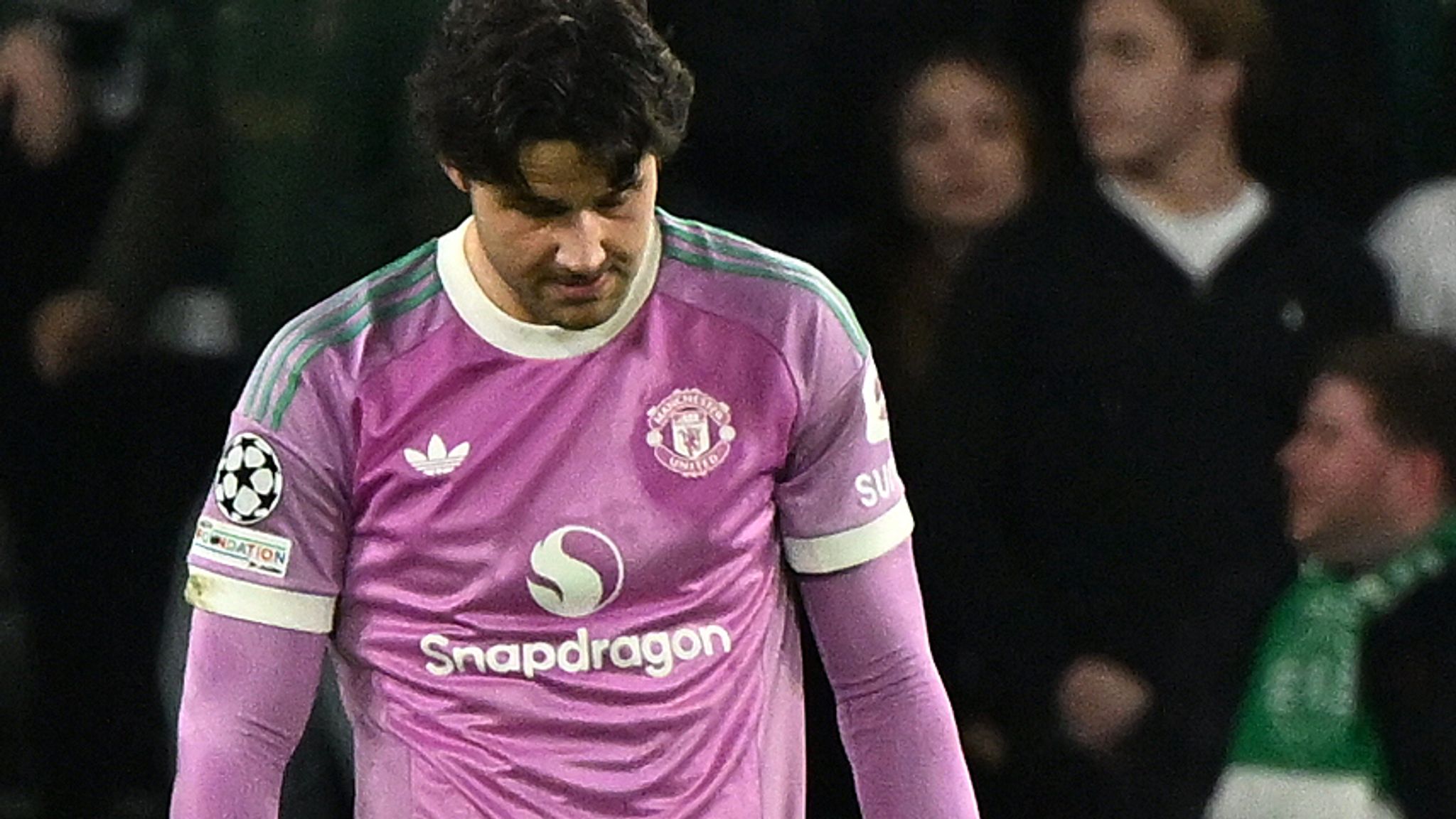
Manchester United goalkeeper Senne Lammens has reportedly expressed frustration with a teammate following a difficult performance in which he conceded two goals, with comments allegedly highlighting growing concerns over the defensive protection he receives during matches.
The Belgian goalkeeper is said to have pointed towards an individual player’s involvement in the defensive setup, suggesting that repeated mistakes and a lack of organisation have made his job considerably more difficult. The alleged comments have sparked discussion about Manchester United’s defensive stability and the pressure placed on their goalkeeper.
According to the circulating statement, Lammens said: “I don’t want to sound unprofessional, but this particular player always brings pressure to me whenever we’re playing. He was the reason why I conceded two goals today. Every time he’s involved, the defence falls apart and I’m left exposed.”
If authentic, such remarks would represent a remarkably strong criticism from a goalkeeper towards someone within his own dressing room. Publicly attributing goals conceded to a teammate is rarely something players choose to do, particularly at a club where media scrutiny and expectations remain exceptionally high.
However, the authenticity of the quotation has not been independently established. Neither the specific teammate nor the match in question has been identified, meaning the statement should be treated as unverified rather than a confirmed post-match interview.
Lammens’ Comments Raise Questions About Manchester United’s Defensive Organisation
Goalkeepers are often among the most exposed players when a team’s defensive structure begins to break down. While they are expected to make important saves and take responsibility for their performances, the quality of protection provided by defenders can significantly influence their ability to perform consistently.
For Lammens, the alleged frustration appears to centre on repeated defensive situations rather than one isolated mistake.
A goalkeeper depends on communication, positioning and coordination with the players directly in front of him. When defenders fail to track runners, leave dangerous spaces or make poor decisions under pressure, the goalkeeper can quickly find himself facing situations that are difficult to control.
This is particularly relevant for Manchester United, who have faced considerable scrutiny over their defensive consistency in recent seasons.
The ability to maintain a compact defensive shape, protect central areas and prevent opponents from creating clear opportunities remains essential for any side hoping to compete for major honours.
Even an excellent goalkeeper cannot consistently compensate for defensive mistakes occurring in front of him.
A Difficult Challenge for United’s New Goalkeeping Option
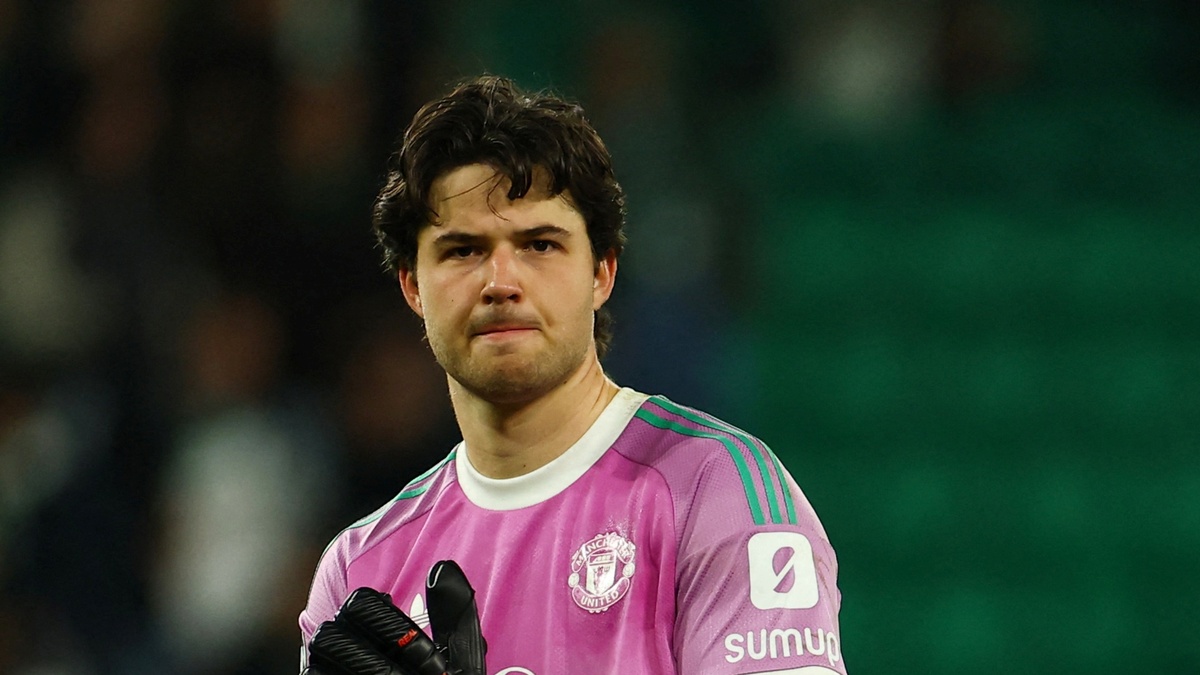
Lammens’ development at Manchester United is an important storyline in itself.
The Belgian goalkeeper arrived with expectations surrounding his potential and ability to establish himself at the highest level. Moving to a club with Manchester United’s history and global attention naturally brings additional pressure, particularly for a young goalkeeper adapting to the demands of English football.
Unlike outfield players, goalkeepers often receive immediate criticism for mistakes because their errors can lead directly to goals.
That makes defensive communication and trust especially important.
A goalkeeper must be confident that his defenders understand their responsibilities, while defenders need to trust their goalkeeper’s positioning and decision-making. Without that mutual understanding, even relatively straightforward defensive situations can become complicated.
If the reported frustration reflects genuine concerns within the squad, Manchester United’s coaching staff would need to address those issues internally before they develop into a bigger problem.
Manchester United Cannot Afford Defensive Uncertainty
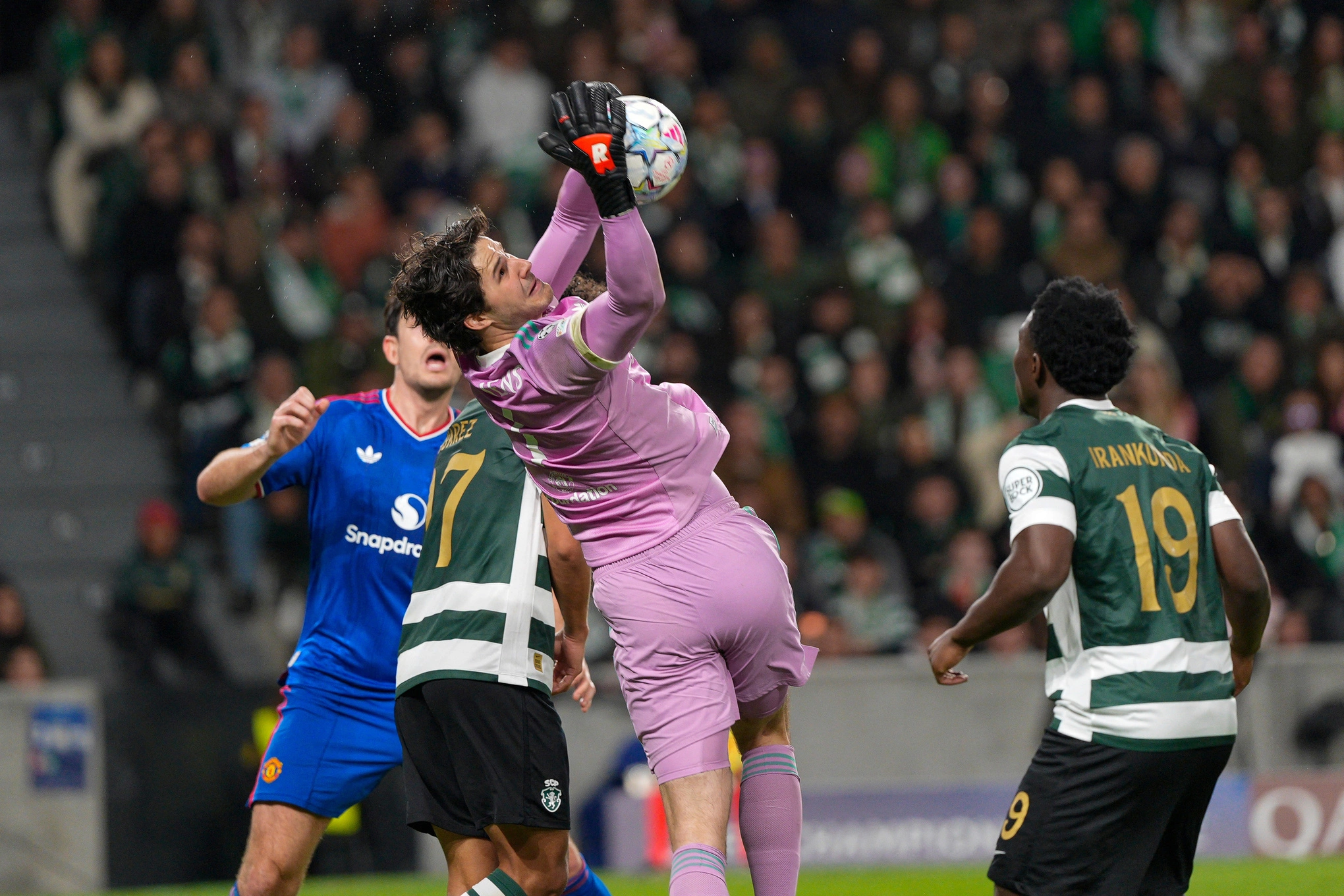
For a club with ambitions of returning to the top of English football, defensive organisation must be a consistent strength rather than an ongoing concern.
United need their defenders and goalkeeper to operate as a coordinated unit, particularly against opponents capable of exploiting spaces quickly.
Individual mistakes are inevitable across a long season, but repeated breakdowns can become costly. The responsibility must therefore be shared across the defensive line rather than placed entirely on the goalkeeper.
Whether Lammens has genuinely expressed these frustrations or the quotation is simply another example of unverified social media speculation, the underlying issue remains relevant: Manchester United need greater consistency and communication at the back.
One thing is certain: a goalkeeper cannot be expected to rescue his team every time the defence leaves him exposed.