The Toronto Maple Leafs are facing a crisis that has moved far beyond disappointing performances on the ice.
What began as a frustrating losing streak has now become a major talking point throughout the organization, with senior leadership facing growing questions about the team’s direction.
Advertisement
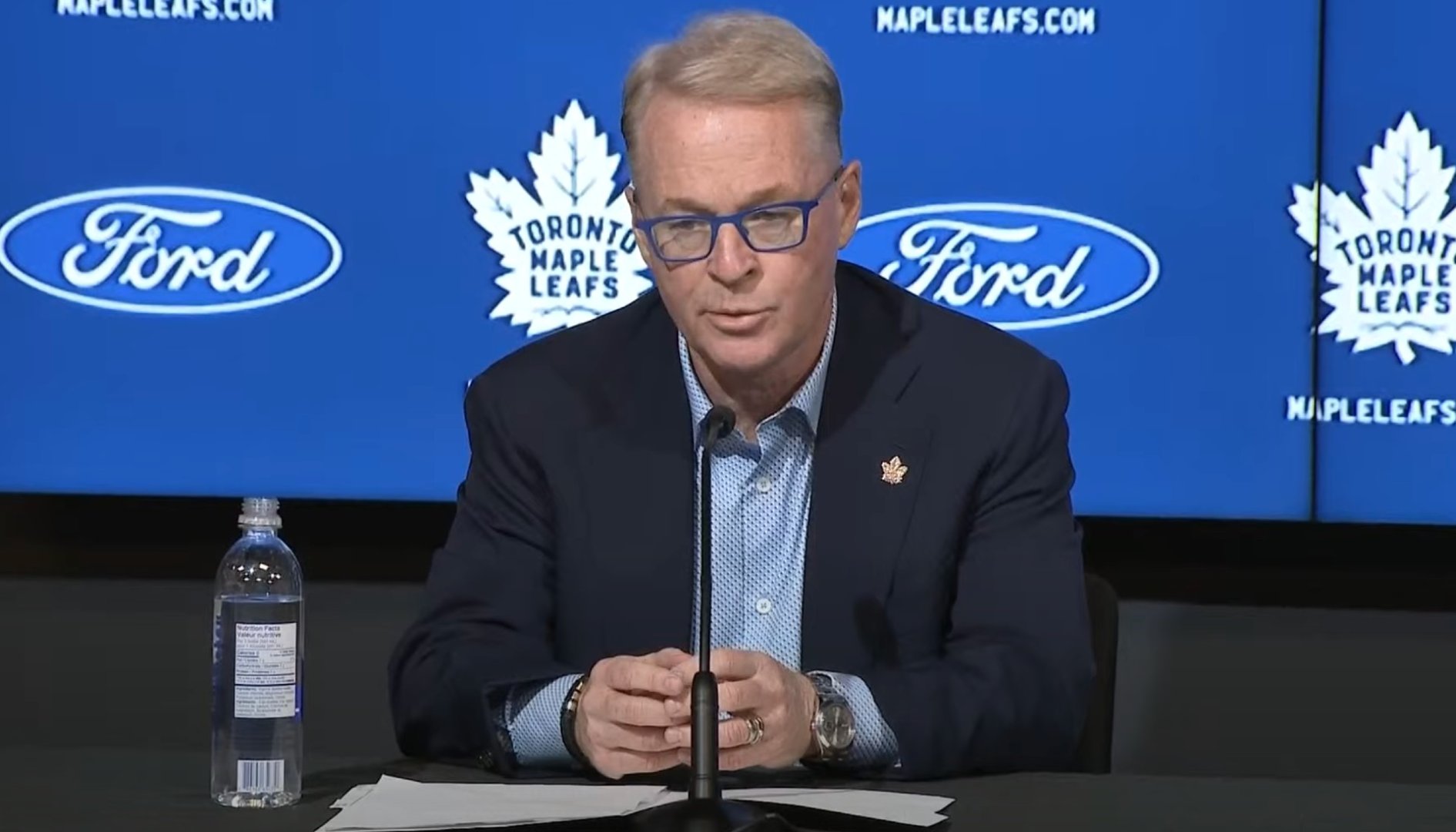
At the center of the latest controversy is Maple Leaf Sports & Entertainment president and CEO Keith Pelley.
Following Toronto’s humiliating 6–3 defeat against the Chicago Blackhawks on November 17, NHL insider David Pagnotta reported that Pelley had traveled to Chicago and spoken with key personnel around the organization after the game.
The reported conversations immediately attracted attention because Toronto had just suffered its seventh consecutive defeat.
Advertisement
But the situation became even more alarming when the Maple Leafs returned home and surrendered a 3–0 lead against the Los Angeles Kings, eventually losing 4–3 in a shootout.
That result extended Toronto’s winless streak to eight games.
Suddenly, the biggest question surrounding the franchise was no longer simply how the players could improve.
It was whether the people running the organization were approaching a major decision about its future.
Advertisement

THE REPORTED VISIT THAT SET OFF ALARM BELLS
According to Pagnotta, Pelley was present in Chicago when the Maple Leafs suffered their seventh consecutive defeat.
The NHL insider reported that the senior executive had conversations with key individuals in the organization and was deeply unhappy with the result.
Advertisement
The report generated immediate speculation about what those conversations might mean.
Was Pelley seeking answers about Toronto’s defensive struggles?
Was he evaluating the coaching staff’s response to the losing streak?
Or was the organization beginning to consider more significant changes?
Those questions spread quickly among supporters already frustrated with the team’s performances.
However, an important detail remains disputed.
Advertisement
TSN insider Chris Johnston subsequently reported that although Pelley attended the Chicago game, he did not address the team afterward.
That conflicting information means the precise nature and extent of any postgame conversations remain uncertain.
What is clear is that Toronto’s disastrous results have brought greater attention to the organization’s highest levels of leadership.
Yahoo Sports+1
Advertisement
EIGHT STRAIGHT GAMES WITHOUT A WIN
The team’s performances have done little to quiet the controversy.
Against Chicago, Toronto allowed six goals and suffered another disappointing defeat.
Then came the opportunity to recover against Los Angeles.
For nearly half the game, the Maple Leafs appeared ready to deliver the response their supporters desperately wanted.
Auston Matthews helped establish an early advantage.
Advertisement
John Tavares contributed offensively.
Dakota Joshua extended Toronto’s lead to 3–0.
For a brief moment, the atmosphere inside Scotiabank Arena felt completely different.
But Los Angeles responded with three unanswered goals.
Toronto’s defensive mistakes returned.
The Kings forced overtime before eventually securing the victory in a shootout.
The Maple Leafs had finally earned a point, but they had still failed to win for the eighth consecutive game.
Advertisement
And with every missed opportunity, questions surrounding the organization became increasingly difficult to ignore.
JIM HILLER’S FUTURE BECOMES THE BIGGEST QUESTION
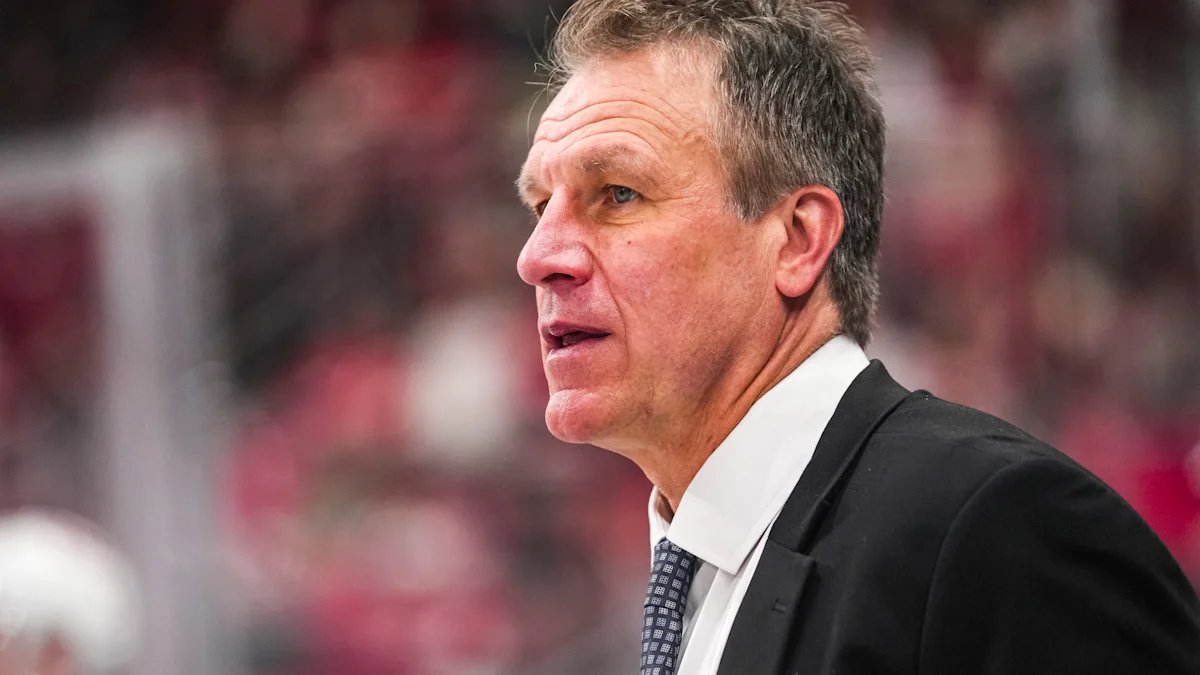
Few individuals are facing more scrutiny than head coach Jim Hiller.
Advertisement
The Maple Leafs’ disappointing performances have prompted criticism of his defensive system, lineup combinations, and decisions during important moments.
Toronto has repeatedly demonstrated an ability to establish momentum.
But maintaining that advantage has become a major problem.
Against Los Angeles, the three-goal collapse provided another example.
Following the game, Hiller acknowledged that the responsibility for correcting Toronto’s problems rested with the team.
The coach recognized that the Maple Leafs should have been capable of protecting their advantage.
But supporters increasingly want more than explanations.
They want results.
The debate surrounding Hiller has become particularly complicated because management has previously expressed confidence in his leadership.
Changing coaches early in a season carries significant risks.
It can disrupt players’ routines and force the organization to implement a new system.
But continuing to lose also creates serious consequences.
For Toronto’s decision-makers, the situation presents an uncomfortable dilemma.
How much patience should a franchise demonstrate when the same problems continue appearing game after game?
JOHN CHAYKA FACES A CRITICAL DECISION
General manager John Chayka is another important figure in Toronto’s ongoing struggles.
He must evaluate whether the current roster can recover or whether more substantial changes are necessary.
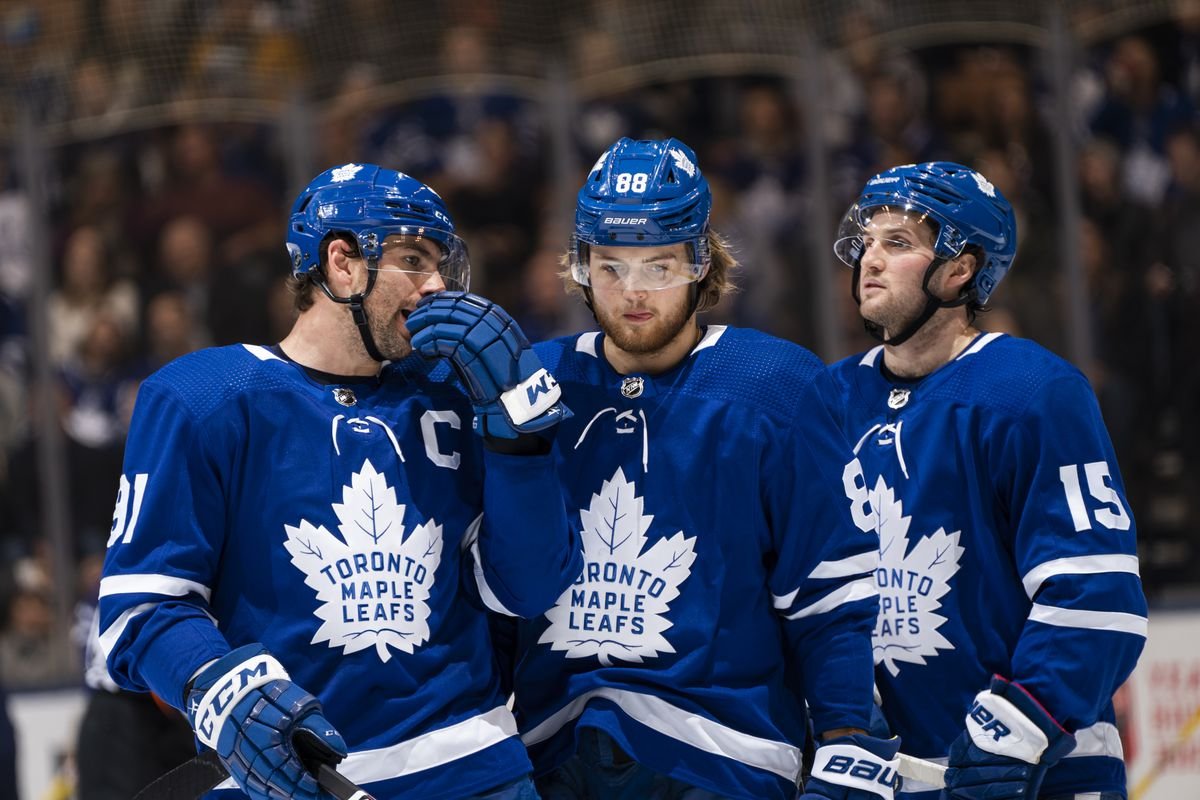
The organization possesses significant offensive talent.
Matthews remains one of the NHL’s most dangerous goal scorers.
William Nylander offers exceptional creativity.
John Tavares provides valuable experience.
And promising younger players offer hope for the future.
But individual talent has not prevented Toronto from falling into a prolonged losing streak.
The challenge for Chayka is determining why.
Does Toronto need changes behind the bench?
Should the organization consider adjustments to its defensive personnel?
Would a trade help address the team’s weaknesses?
Or would pursuing immediate changes create additional problems?
Reports surrounding Toronto’s management suggest there is reluctance to make desperate short-term moves simply to respond to the losing streak.
That approach may protect the franchise’s long-term interests.
But it also requires patience from supporters who have already endured considerable disappointment.
Hockey HotStove
AUSTON MATTHEWS AND THE DRESSING ROOM UNDER PRESSURE
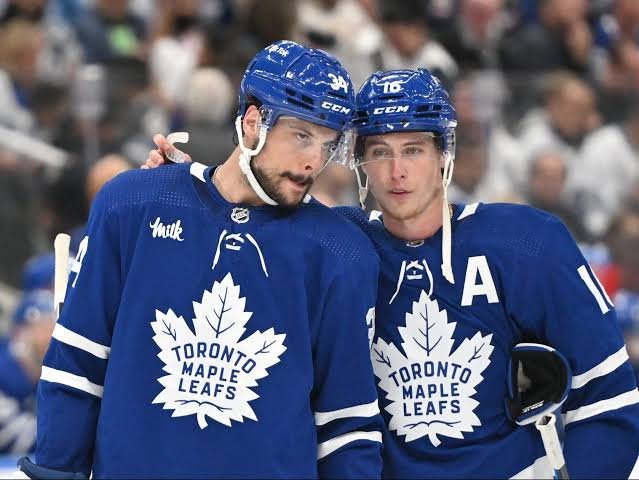
The uncertainty also places enormous responsibility on Toronto captain Auston Matthews.
As the team’s leader, Matthews is expected to help maintain confidence during difficult stretches.
His recent postgame comments have emphasized the importance of avoiding repeated mistakes.
The captain understands that Toronto cannot continue abandoning its defensive responsibilities whenever opponents increase pressure.
But leadership becomes increasingly difficult when losses continue accumulating.
Every defeat creates additional frustration.
Every disappointing performance generates more questions.
And every new rumor surrounding the organization’s future can become another distraction.
For Matthews, the challenge is keeping the dressing room focused on hockey.
Players cannot control every decision made by management.
They cannot determine whether the organization will pursue roster changes.
And they cannot predict what might happen to the coaching staff.
What they can control is their performance.
The Maple Leafs must demonstrate greater discipline.
They must communicate more effectively.
And they must find a way to compete consistently throughout an entire game.
Until those improvements arrive, the pressure surrounding the team’s leadership will continue growing.
WHY KEITH PELLEY’S INVOLVEMENT MATTERS
Pelley’s reported involvement attracted attention because he occupies one of the most influential positions within the organization.
He is not responsible for making every lineup adjustment or managing individual shifts.
Those responsibilities belong to hockey operations and the coaching staff.
But as the senior executive overseeing the broader organization, Pelley has a significant interest in the team’s direction and performance.
When a franchise with Toronto’s expectations suffers eight consecutive games without a victory, the consequences extend beyond the dressing room.
Supporter confidence can decline.
Questions about management become louder.
And the organization’s long-term strategy comes under scrutiny.
That is why even reports of conversations involving Pelley can create intense speculation.
His presence at the Chicago game was noteworthy.
But it does not, by itself, establish that a coaching change, trade, or disciplinary decision is imminent.
The distinction matters because speculation can quickly become exaggerated during a crisis.
There is no confirmed announcement that Hiller has been dismissed or that Pelley has ordered a major organizational restructuring.
LEAFS NATION DEMANDS ANSWERS
For Toronto supporters, the frustration is understandable.
The Maple Leafs entered the season with expectations of competing at a considerably higher level.
Instead, they have experienced one disappointing result after another.
Their defensive mistakes have become repetitive.
Their goaltending has struggled to deliver consistency.
And their inability to protect leads has damaged confidence throughout the team.
The collapse against Los Angeles was particularly painful.
A three-goal lead should have provided a foundation for victory.
Instead, the Maple Leafs watched another opportunity disappear.
Fans have increasingly questioned whether the existing leadership structure can correct the problems.
Some believe Hiller deserves more time.
Others argue that eight consecutive games without a victory demand a stronger response.
And another group believes the responsibility extends beyond the coach to the front office that assembled the roster.
The debate reflects the seriousness of Toronto’s situation.
There is no longer a simple explanation capable of satisfying everyone.
THE NEXT FEW GAMES COULD SHAPE TORONTO’S FUTURE
Toronto’s immediate challenge is finding a way to end the losing streak.
The organization cannot afford to become distracted by speculation about potential changes.
The players must improve their defensive execution.
The coaching staff must find more reliable combinations.
And management must continue evaluating whether the current approach provides a realistic path toward improvement.
A victory would not erase the damage caused by eight consecutive winless games.
But it could provide an important opportunity to rebuild confidence.
Another defeat, however, would almost certainly intensify the debate surrounding Hiller and the organization’s direction.
For Pelley and Chayka, the challenge is balancing urgency with long-term planning.
Reacting too aggressively could create additional problems.
Doing nothing could allow the situation to deteriorate further.
The Maple Leafs must determine which risks they are prepared to accept.
FINAL THOUGHTS: THE PRESSURE HAS REACHED TORONTO’S HIGHEST LEVELS
Toronto’s crisis is no longer limited to the players on the ice.
The losing streak has raised difficult questions about coaching, management, roster construction, and organizational accountability.
Keith Pelley’s presence in Chicago and the conflicting reports about his postgame conversations have added another layer of intrigue.
Jim Hiller continues facing growing pressure.
John Chayka must evaluate the team’s future.
And Auston Matthews is attempting to lead a struggling dressing room through one of its most difficult stretches.
No immediate organizational shake-up has been confirmed.
But the pressure surrounding Toronto is unmistakable.
EIGHT STRAIGHT GAMES WITHOUT A VICTORY.
A SENIOR EXECUTIVE UNDER THE SPOTLIGHT.
A HEAD COACH FACING GROWING QUESTIONS ABOUT HIS FUTURE.
AND AN ENTIRE FRANCHISE DESPERATELY SEARCHING FOR ANSWERS.
For Leafs Nation, the biggest question is becoming impossible to ignore:
Will Toronto’s leadership find a way to turn the season around, or will the next major change come from inside the organization’s own headquarters?