Deep beneath the ground in Argentina may lie the remains of a dinosaur so enormous that it could challenge the most impressive giants ever to walk the Earth. Fossils discovered more than a decade ago are now raising a remarkable possibility: the world’s largest land animal may have been even bigger than scientists once thought.

The discovery dates back to 2012, when researchers uncovered the remains of a giant dinosaur in Patagonia. A team involving scientists from Naturales y Museo, the University of Zaragoza and the National University of Comahue later examined the fossils to determine what they could reveal about the animal’s size.
The remains belong to a titanosaur, a group of long-necked, plant-eating sauropods that included some of the largest land animals in Earth’s history. One famous member, Argentinosaurus, has been estimated at roughly 36.5 meters long and around 100 metric tons, although estimates of these giants vary.
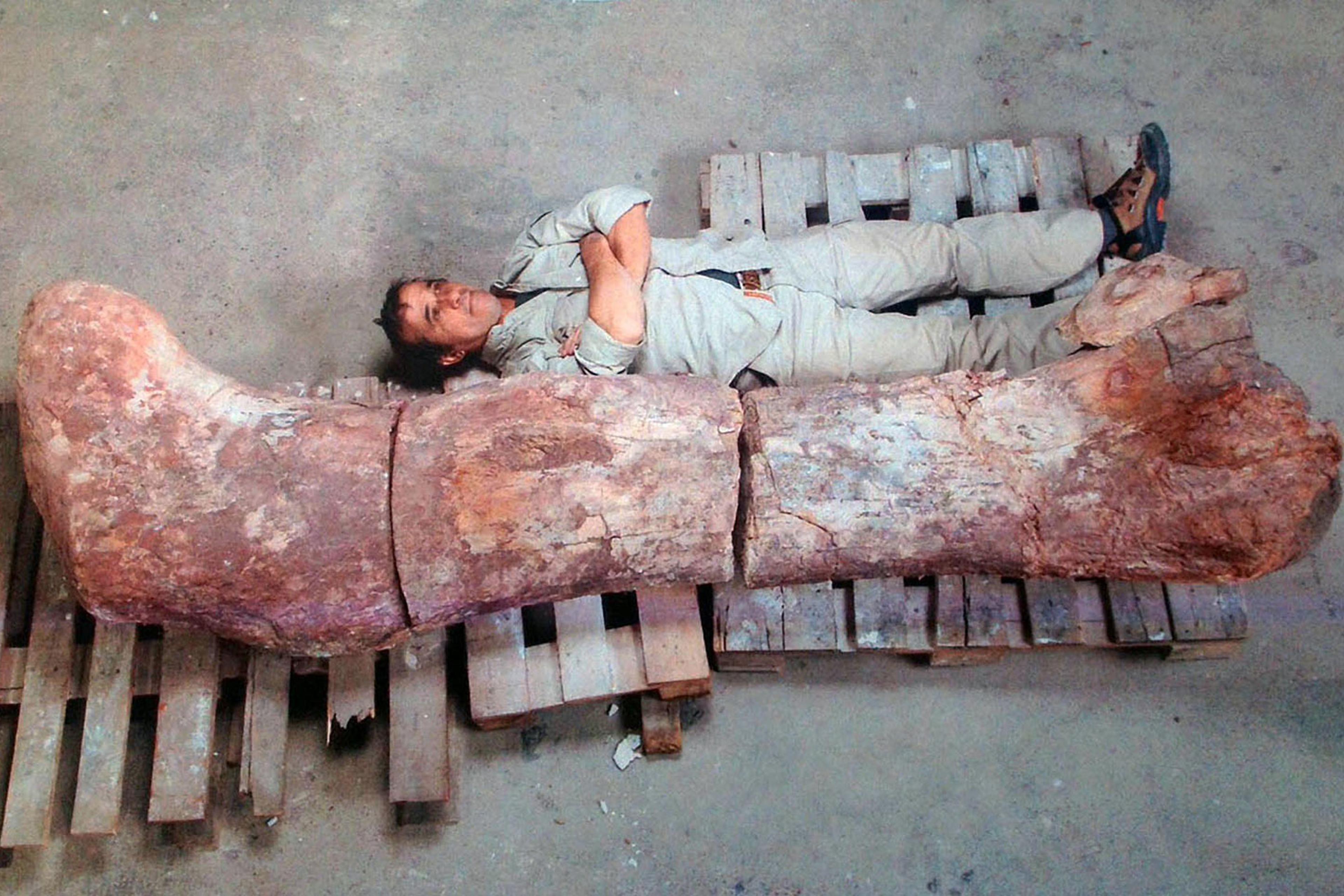
Another contender, Patagotitan, has also been proposed as one of the largest dinosaurs ever discovered. However, incomplete fossil evidence has made it difficult to establish a definitive champion.
The Argentine specimen could add a new contender to this extraordinary competition. So far, researchers have recovered 24 vertebrae belonging to an enormous tail, along with parts of the pelvis and pectoral girdle.
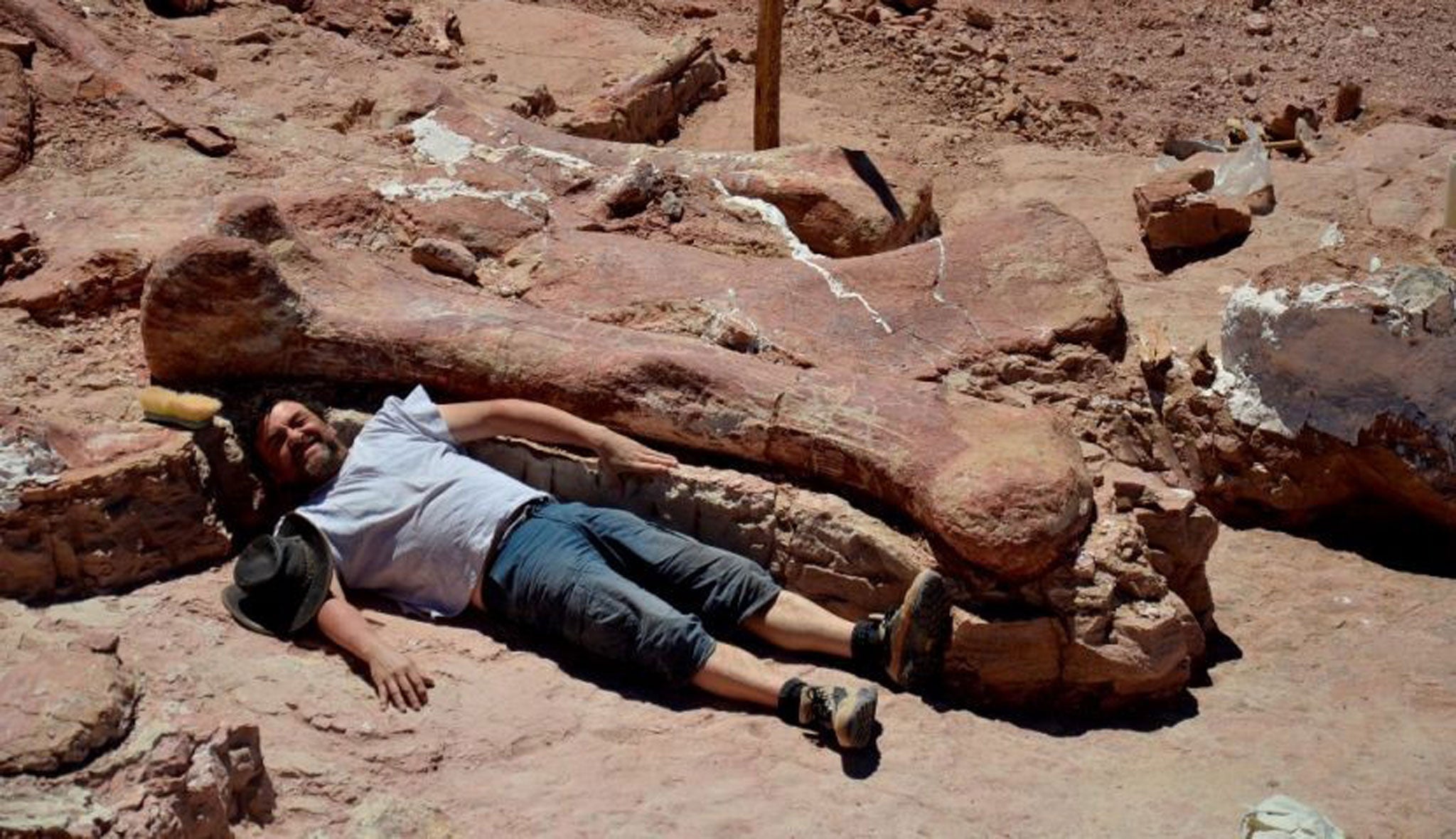
Dating to approximately 98 million years ago, the fossils come from the Cretaceous Period. Their size and proportions have led researchers to investigate whether the animal may have exceeded previously known titanosaurs.
Yet the evidence remains incomplete. Without a more complete skeleton, scientists cannot confidently determine the dinosaur’s exact length or weight.
For now, this prehistoric giant remains a tantalizing mystery. Further discoveries may reveal whether Argentina holds the remains of a dinosaur that truly surpassed all known land animals—or another extraordinary contender in the search for the largest creature ever to walk on land.