For 66 million years, the remains of one of the most powerful predators ever to walk Earth lay buried in the ancient rock of what is now Canada.
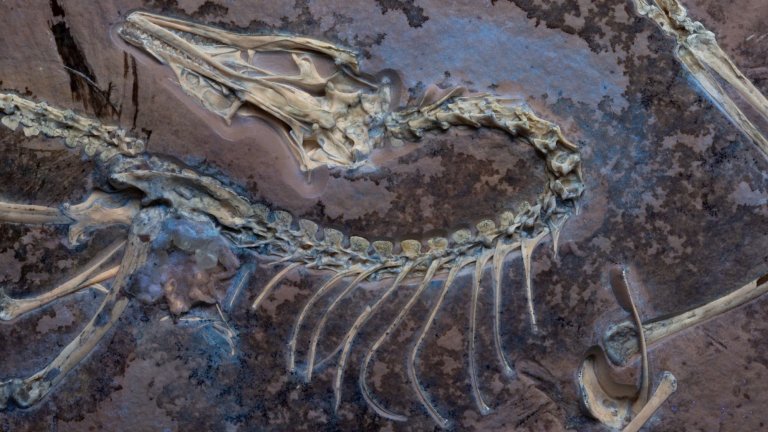
Now, scientists have examined something extraordinarily rare preserved inside its bones — and the discovery may reveal how the giant dinosaur met its end.
The Tyrannosaurus rex, nicknamed Scotty, is the largest known specimen of its species. Standing around 13 feet tall at the hips and stretching up to 43 feet long, the Late Cretaceous predator may have weighed as much as 19,500 pounds.
But Scotty’s incredible size is not the only thing that makes the fossil extraordinary.
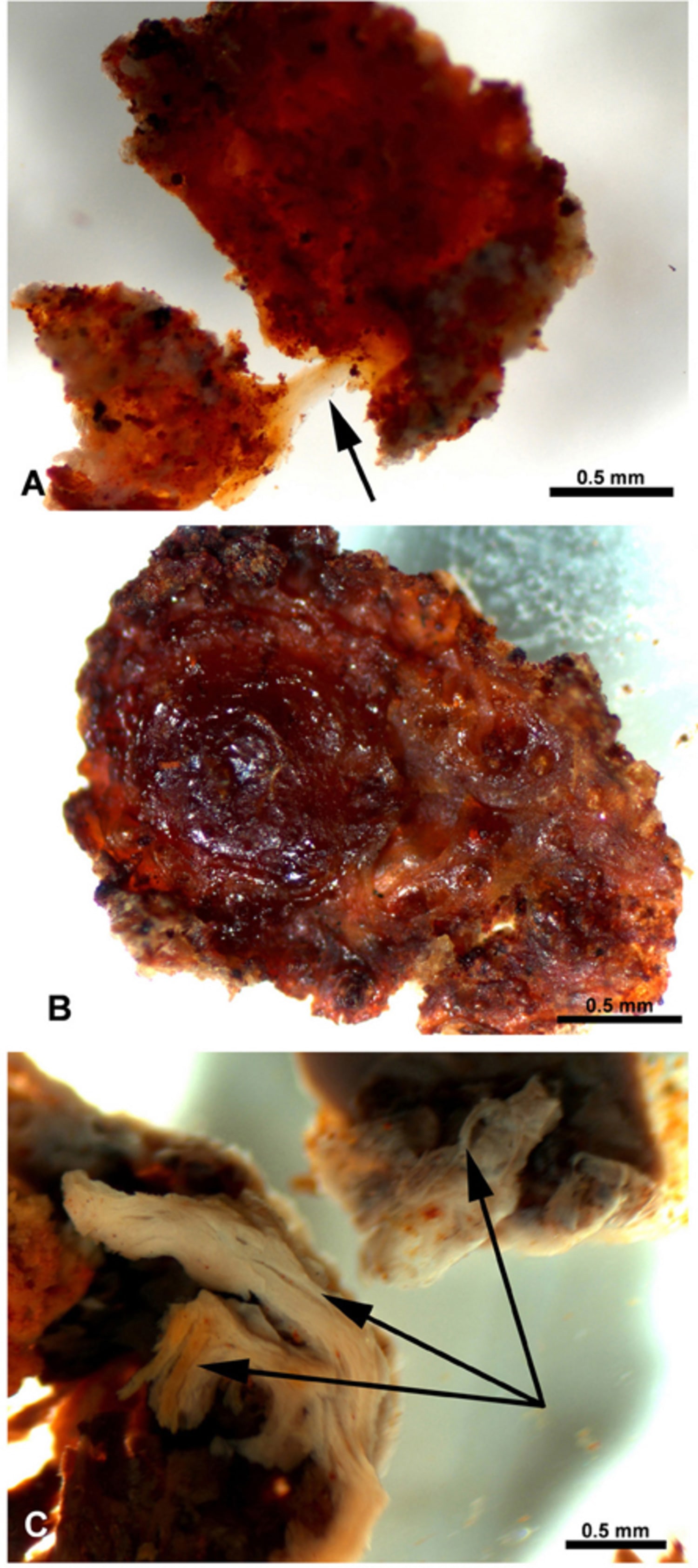
One of its ribs still contains traces of preserved soft tissue, something exceptionally rare in dinosaur fossils. Unlike bones, soft tissues normally decay long before fossilization can occur, leaving little behind for scientists to study.
To investigate the fragile remains without destroying them, researchers from the U.S. Department of Energy’s Oak Ridge National Laboratory used highly sensitive neutron imaging technology.
The scans allowed scientists to examine the ancient rib and its preserved tissue in remarkable microscopic detail.
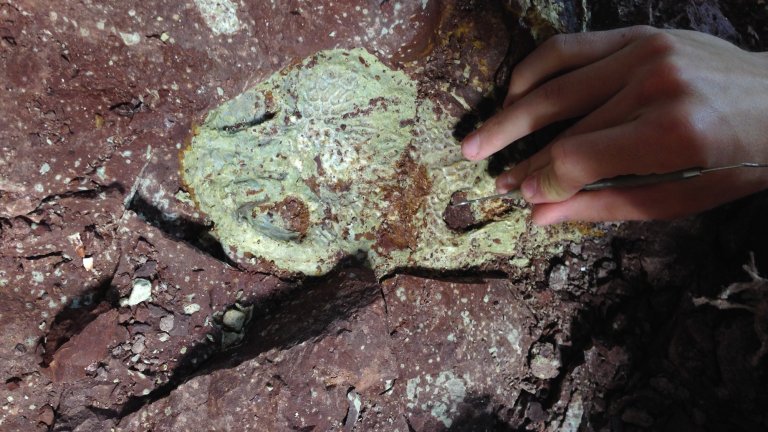
More importantly, the fossilized tissue provides clues about a serious injury that may have affected Scotty during its final days.
Researchers found evidence consistent with a broken rib, raising the possibility that the enormous predator eventually succumbed to injuries sustained during its brutal life.
After surviving for millions of years as a fossil, Scotty is now revealing details about its life — and possibly its death — that could never be learned from its massive skeleton alone.