A dinosaur that lived more than 220 million years ago endured a devastating bone infection that may have left one of its arms completely useless, scientists have discovered.
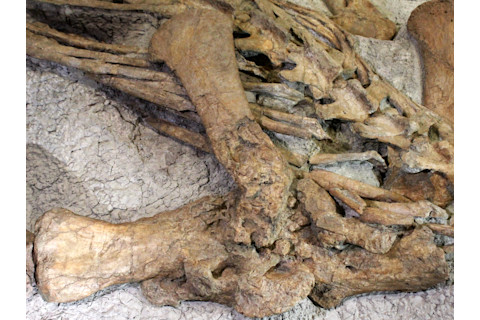
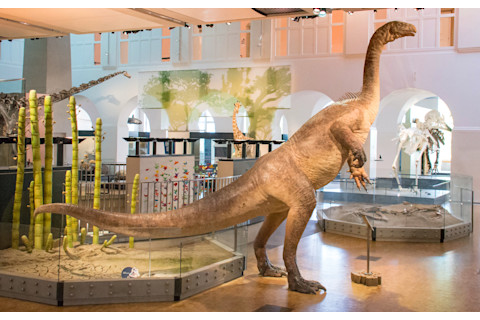
The nearly 26-foot-long Plateosaurus was found in 2018 in Switzerland’s Frick Valley, preserved in the remains of an ancient mud trap. But hidden inside its bones was evidence of a chronic disease that may have plagued the animal for much of its life.
Researchers identified the condition as osteomyelitis, a serious infection of the bone. What makes the discovery extraordinary is its sheer extent.
Rather than being confined to a single small bone, the infection affected the dinosaur’s right shoulder and upper arm — making it the oldest and largest known case of bone infection documented in a dinosaur.
“Having an entire infected shoulder and upper arm is very unusual,” said Jordan Bestwick of the University of Zurich.
Scientists cannot determine exactly what caused the infection, but the extensive damage suggests it was not a short-lived illness. The disease may have gradually destroyed the function of the right arm, potentially leaving the animal unable to use it normally.
/https://tf-cmsv2-smithsonianmag-media.s3.amazonaws.com/filer_public/74/64/7464341d-9e3a-4738-82ae-253abf099d00/smithsonian_feature_images_19.png)
That could have had deadly consequences.
During the Late Triassic, the region that is now Switzerland was a semi-arid basin frequently hit by flooding. The resulting mud traps were dangerous for Plateosaurus, and many of its fossils were discovered after individuals became trapped.
Researchers believe this particular dinosaur ultimately died after becoming stuck in one of these muddy pits.
Its final struggle may have been made even harder by an illness it had been carrying for years — leaving behind a remarkable glimpse of disease in one of Earth’s earliest dinosaurs.