A remarkably complete young Tyrannosaurus rex discovered in Montana could help solve one of paleontology’s most intriguing mysteries: what did the world’s most famous predator look like before it became a giant?
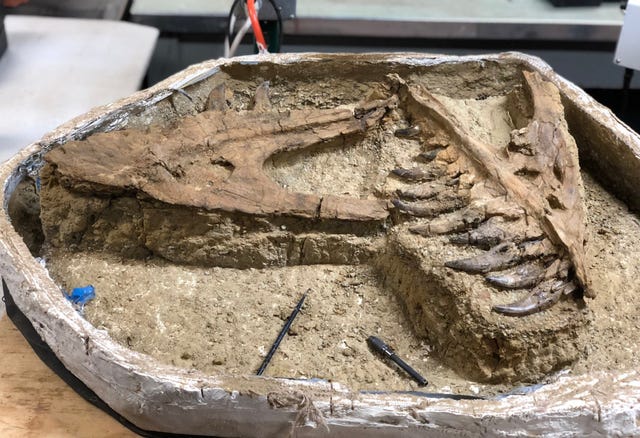
The dinosaur died around 66.5 million years ago, near the end of the Cretaceous Period. Its remains were discovered by researchers from the University of Kansas in Montana’s fossil-rich Hell Creek Formation during the summer of 2016.
But it took another year before scientists realized just how extraordinary the discovery was.
When researchers returned to the site, they uncovered a two-foot-long skull, complete with an astonishing set of tiny, razor-sharp teeth. The condition of the skeleton suggested they had found an unusually complete young tyrannosaur.
Based on its size, scientists estimated the animal was only around six to eight years old and measured approximately 17 feet long.
That might sound enormous, but compared with an adult T. rex, it was still a youngster.
At this stage of its life, the young predator may have been undergoing an extraordinary growth spurt, potentially gaining one to three pounds every day.
The fossil could therefore provide researchers with a rare opportunity to study how T. rex changed as it grew — from a relatively small juvenile predator into the enormous animal familiar from museums and popular culture.
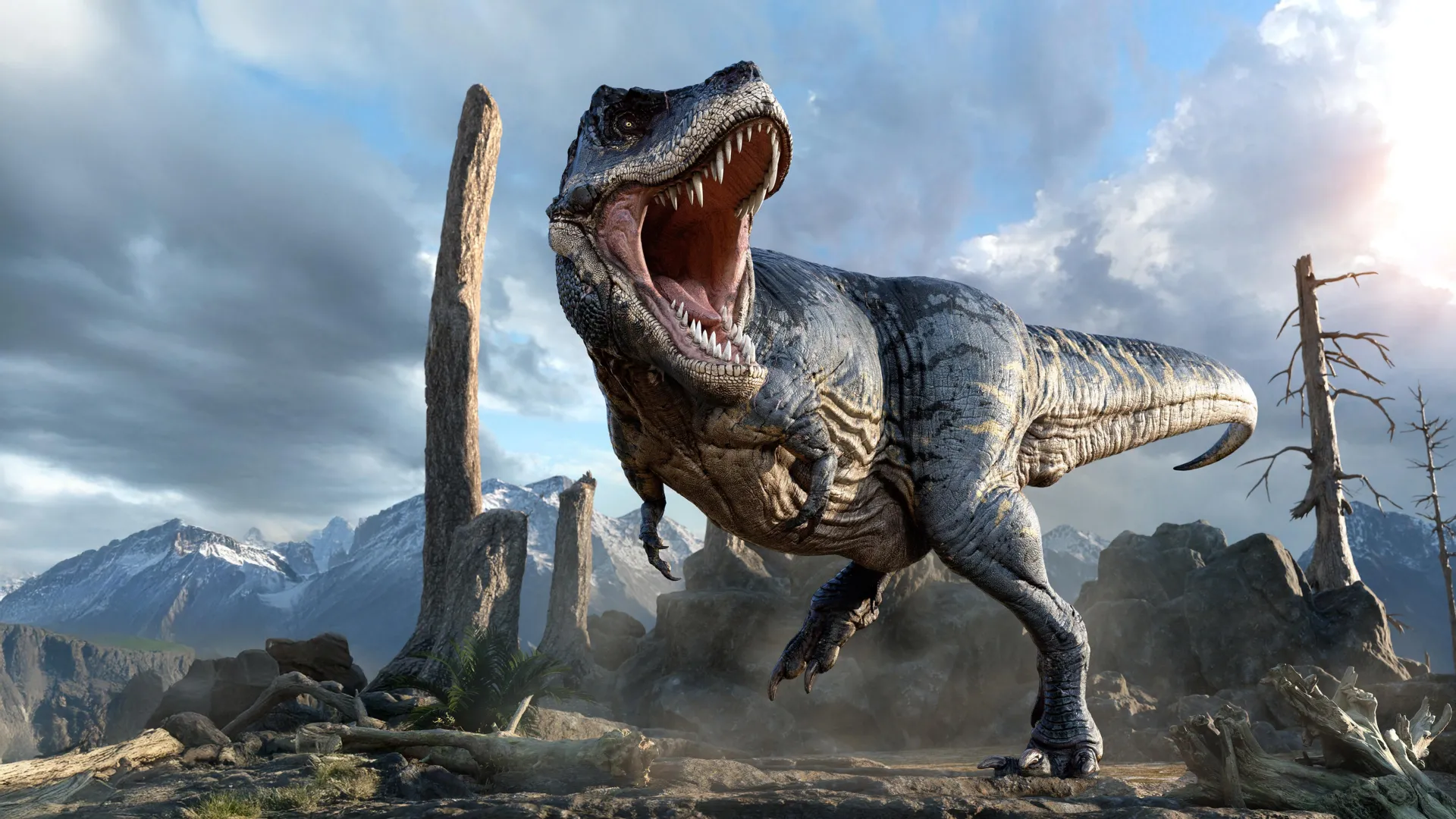
The discovery was announced before being published in a scientific journal, meaning further study was still needed.
But with its remarkably preserved skull and all of its roughly two-inch teeth intact, the ancient youngster may offer scientists an unprecedented glimpse of the teenage T. rex — just before it became one of the most formidable predators ever to walk the Earth.