Erling Haaland Reportedly Turns on Manchester City Teammates After Napoli Draw: Dressing-Room Tension, Tactical Frustration and Questions Over City’s Champions League Ambitions
Manchester City may have dropped more than two points against Napoli. If the explosive post-match comments circulating online are to be believed, Erling Haaland has also exposed a growing frustration inside the squad — one centered on missed passes, questionable decision-making and a perceived lack of ambition in the final third.
The Norwegian superstar is usually one of City’s most dangerous weapons, but the alleged interview paints a very different picture of the striker: a world-class finisher who believes he is not receiving the service required to make the difference.
The claims are dramatic. They are also unverified and should not be treated as confirmed statements from Haaland. Nevertheless, the scenario raises important questions about City’s attacking structure, the responsibilities of their creative players and the pressure facing a team expected to compete for Europe’s biggest prizes.
Haaland’s Frustration: Is Manchester City’s Attack Becoming Too Predictable?
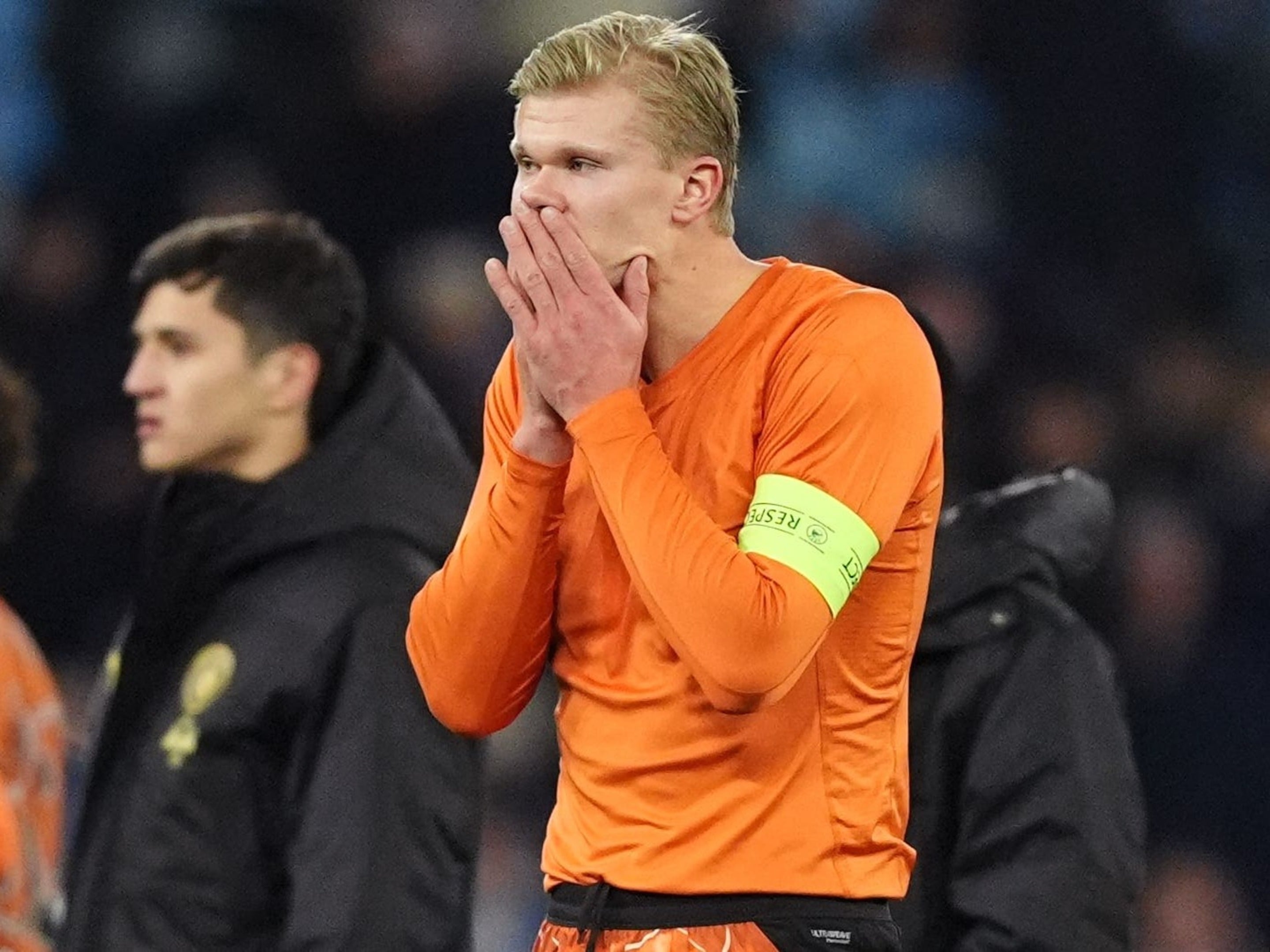
The central theme of the alleged comments is simple: Haaland wants the ball earlier, faster and in more dangerous positions.
His supposed complaint about repeatedly making runs without receiving a pass touches on one of the most important aspects of City’s attacking football. A striker’s effectiveness depends not only on movement and finishing but also on the timing and quality of the delivery.
Haaland thrives when teammates recognize his movement before defenders can react. Give him space behind the defensive line, and he can turn a seemingly harmless possession into a clear scoring opportunity.
However, when the ball is repeatedly circulated sideways or backward, his biggest strengths become harder to exploit.
There is a tactical debate here. Manchester City have traditionally valued possession, patience and positional control. Their attacking structure often involves drawing opponents out before finding a decisive pass. But patience can become predictability when opponents remain compact and the final ball arrives too late.
If Haaland is making runs that go unrewarded, the problem may not be a lack of individual quality. It could be a collective failure to synchronize movement, passing decisions and attacking tempo.
Jérémy Doku Under the Spotlight: When Dribbling Becomes a Tactical Dilemma

One of the most controversial parts of the alleged interview concerns Jérémy Doku.
The Belgian winger’s greatest strength is his ability to beat defenders in one-on-one situations. His acceleration, close control and willingness to attack space can transform a match.
But there is a difficult balance between taking on a defender and releasing the ball at the right moment.
For a striker like Haaland, timing is everything. When a winger delays the cross or takes another touch, defenders have more time to recover, reorganize and surround the penalty area.
That does not automatically mean Doku is making the wrong decision. His dribbling can create opportunities that would not exist otherwise. The question is whether City’s attacking players are making the right decisions after those opportunities appear.
A dangerous winger must know when to attack his marker — and when to turn an advantage into a pass.
If City are struggling to convert possession into clear chances, this relationship deserves attention.
Enzo Fernández and the Forward-Passing Question

The alleged criticism involving Enzo Fernández adds another layer to the story.
The midfielder’s role in a possession-based system is not simply to pass forward whenever an option appears. He must assess the pressure, protect possession and understand the positioning of teammates before attempting a risky ball.
However, there is a difference between responsible possession and excessive caution.
When a striker makes a run behind the defense, the window for a through ball can remain open for only a second or two. Hesitation may allow defenders to recover and close the passing lane.
This is where elite attacking teams separate themselves from ordinary possession-heavy sides. They do not merely keep the ball; they recognize the moment when the opposition is vulnerable.
If the alleged frustration reflects a genuine tactical issue, City’s coaching staff may need to examine how quickly their midfielders identify forward opportunities.
The solution would not necessarily be to abandon possession football. It would be to make possession more purposeful.
The Kevin De Bruyne Comparison Could Be the Biggest Warning Sign
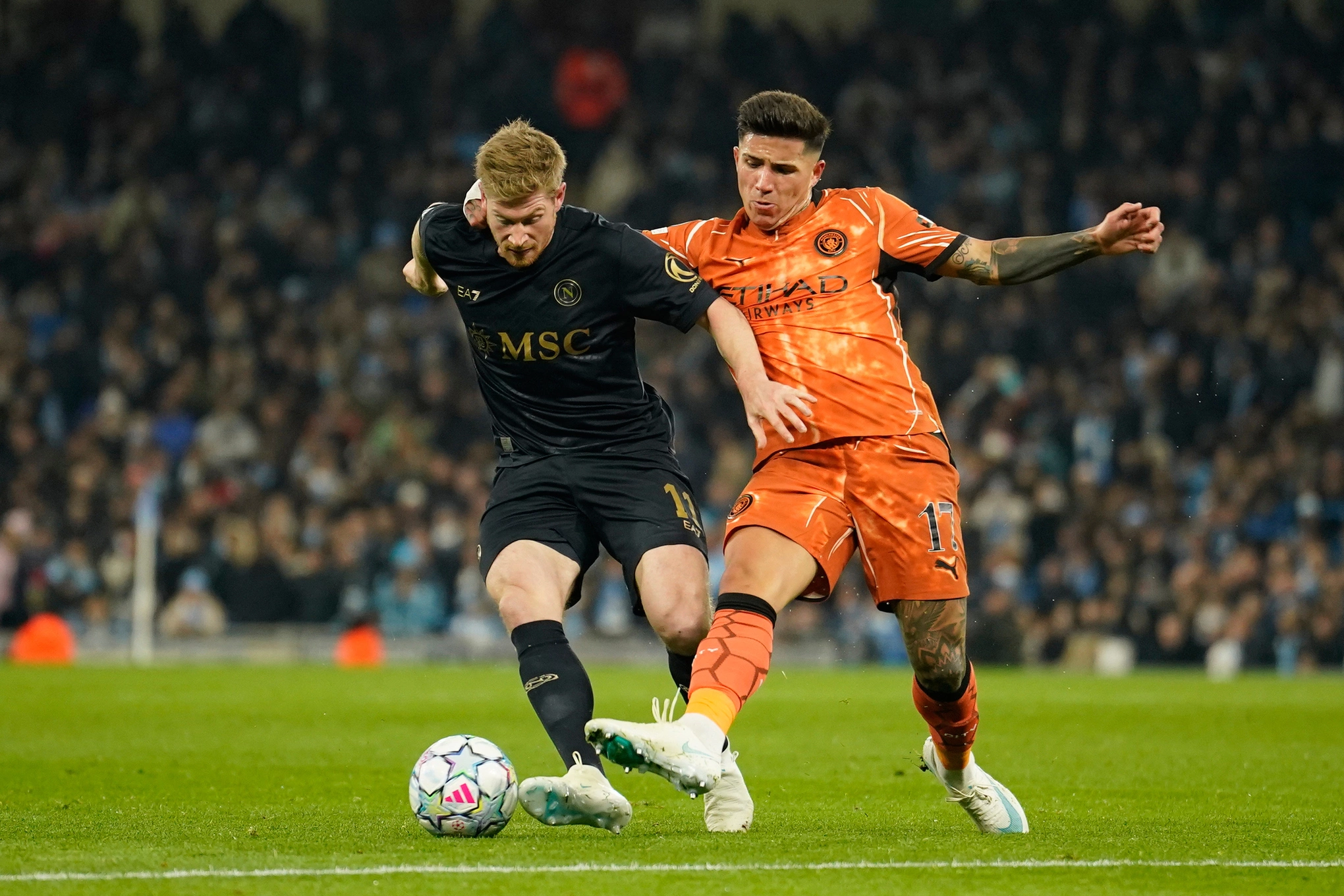
Perhaps the most revealing element of the circulating comments is the comparison with Kevin De Bruyne.
For years, De Bruyne was one of the players most capable of understanding Haaland’s movement. His passing range, vision and ability to deliver the ball at precisely the right moment made him an exceptional creative partner for the Norwegian.
Their connection demonstrated how devastating City could become when midfield intelligence and striker movement operated on the same wavelength.
Replacing that kind of understanding is not simply a matter of signing another talented midfielder.
It requires chemistry, timing and a shared understanding of attacking spaces.
Haaland’s goal-scoring numbers may remain impressive, but the quality of his chances matters just as much as the number of opportunities he receives. A striker can make all the right movements and still become isolated if the team cannot deliver the ball.
That is why the De Bruyne comparison carries tactical significance. It highlights the challenge of maintaining an elite attacking system as personnel and responsibilities change.
Are Manchester City’s Champions League Ambitions at Risk?
The alleged statement questioning whether the current squad is good enough to win the Champions League is particularly explosive.
City are judged against an extraordinary standard. Domestic dominance is not always enough to satisfy supporters who expect the club to challenge for major European honors.
In the Champions League, small details can decide everything: a delayed pass, a missed defensive assignment or a moment of hesitation in front of goal.
A team can dominate possession and still lose control of the most important moments.
If City’s attacking players are not operating with the same understanding, opponents may find ways to frustrate them. Compact defensive blocks, aggressive pressing and quick transitions can expose a side that struggles to turn possession into penetration.
The answer must come collectively. Haaland cannot solve every attacking problem alone, and his teammates cannot simply rely on him to convert every half-chance.
The best version of Manchester City is built on shared responsibility.
Pep Guardiola Faces a Delicate Dressing-Room Challenge

If this controversy were to develop into a genuine internal dispute, Pep Guardiola would face a difficult balancing act.
Publicly defending his players would be important. Allowing criticism to become personal could damage relationships and undermine confidence.
At the same time, ignoring legitimate tactical frustration would be equally dangerous.
Guardiola has always demanded high standards from his attacking players. He expects movement, discipline, intelligence and a willingness to make decisions under pressure.
The manager’s challenge would be to turn frustration into improvement rather than allow it to become a blame game.
That could mean reviewing attacking patterns, demanding quicker decisions in the final third and encouraging greater communication between Haaland, the wingers and the midfield.
It could also mean reminding the squad that individual statistics and highlight moments mean very little if the team is not winning.
One Draw, Bigger Questions: What Happens Next?
The alleged Haaland comments have all the ingredients of a major football controversy: a superstar striker, frustrated teammates, questions over tactical identity and the shadow of Champions League expectations.
But there is an important distinction between a dramatic online narrative and a verified post-match interview. No official confirmation has been provided for the quotations or the personal criticism attributed to Haaland.
What can be examined is the football question behind the story: can Manchester City consistently give their most dangerous striker the service he needs while maintaining the possession-based identity that has defined the club?
If the answer is yes, this could become a temporary frustration rather than a major crisis.
If the problems continue, pressure will inevitably grow on the manager, the creative players and the squad’s attacking structure.
Two points dropped against Napoli would be one disappointing result. A breakdown in communication between the team’s biggest stars would be a much more serious problem.
And that leaves one question hanging over Manchester City: is Haaland simply demanding higher standards from his teammates — or is this the beginning of a much bigger conversation about the club’s direction?