Manchester United Have Replaced Players, Managers, and Entire Systems — But One Question About Bruno Fernandes Refuses to Disappear

At Manchester United, the list of excuses has changed almost as frequently as the players walking through the doors at Old Trafford.
Paul Pogba arrived with enormous expectations. Jadon Sancho was supposed to transform the attack. Christian Eriksen brought experience and creativity. Mason Mount was expected to add energy and tactical flexibility. Marcus Rashford, Anthony Martial, Rasmus Højlund, Joshua Zirkzee, and countless others have been asked to help restore the club’s attacking identity.
Yet season after season, Manchester United have continued searching for answers.
Managers have arrived with different philosophies, promising attacking football, tactical discipline, pressing intensity, and a return to the standards that once made the club feared across Europe. Some lasted longer than others. Some left with their reputations damaged. Others never received enough time to complete their projects.
Meanwhile, Bruno Fernandes has remained one of the most recognizable faces of the club’s turbulent modern era.
And that raises a question increasingly difficult to ignore: If Manchester United have repeatedly changed the players around Bruno Fernandes, the managers in charge, and the tactical systems being implemented, why do the same concerns about the team’s chemistry and consistency keep returning?
It is a question that supporters may not agree on — but one worth asking.
The List of Players Keeps Growing
Pogba. Sancho. Eriksen. Mount. Rashford. Martial. Højlund. Zirkzee. Silva. Fred. Ugarte. Matic. McTominay. Amrabat. Van de Beek. Lingard. Mata. Pereira. Baleba. Mainoo.
Different players. Different profiles. Different strengths.
Some were creative midfielders capable of controlling possession. Others were dynamic attackers who preferred running into space. Several were defensive-minded players tasked with protecting the back line, while others were expected to contribute goals, assists, and movement around the penalty area.
The common denominator was supposed to be Manchester United’s ability to build a functioning team.
But football is not a collection of individual reputations. It is about relationships on the pitch, timing, movement, decision-making, and understanding what teammates are going to do before they do it.
A midfielder may thrive in one system and struggle in another. A striker may require consistent service. A creative player may need runners around him. A defensive midfielder may be exposed when the players ahead of him fail to maintain their positions.
That is precisely why United’s repeated changes make the conversation more complicated.
If one partnership fails, the explanation may be tactical incompatibility. If several combinations struggle over multiple seasons, however, supporters naturally begin examining the bigger picture.
And Bruno Fernandes is at the center of that picture.
Is Bruno the Solution — or Does He Also Need to Be Questioned?
Fernandes has undeniably been one of Manchester United’s most influential players. His creativity, willingness to attempt difficult passes, attacking instincts, and ability to produce decisive moments have made him an important figure throughout the club’s difficult periods.
He has frequently been the player willing to demand more, attempt the risky pass, or take responsibility when a match appears to be slipping away.
But being influential and being the perfect fit for every midfield structure are not necessarily the same thing.
Fernandes plays with intensity. He often looks for vertical passes, takes risks, moves aggressively into attacking positions, and attempts to accelerate the game rather than slow it down.
Those characteristics can be incredibly valuable.
However, they can also create tactical challenges when a team requires greater control, positional discipline, or patient possession. His instinct to force opportunities may occasionally leave teammates dealing with transitions, while his movement into advanced areas can demand significant adjustments from the midfield players supporting him.
That does not automatically make Fernandes the problem.
It does mean that his influence deserves the same tactical scrutiny applied to every other player at Manchester United.
For years, supporters have debated whether individual teammates were good enough, whether managers misunderstood the squad, or whether recruitment failed to address the club’s weaknesses.
Perhaps the conversation should include another possibility: Manchester United may have repeatedly attempted to build different teams around a player whose strengths and limitations require a very specific tactical balance.
Millions Spent, Managers Replaced — But the Cycle Continues
Manchester United have spent enormous sums attempting to rebuild their squad. New arrivals have been introduced with promises of greater intensity, improved technical quality, and the ability to bring the club closer to its former dominance.
The managerial changes have been equally dramatic.
Each new appointment arrives with a fresh vision. Players are reassessed. Training methods change. Tactical priorities shift. Some footballers suddenly become important, while others find themselves pushed toward the exit.
But rebuilding becomes increasingly difficult when the club never establishes a consistent identity.
A manager may want a midfield capable of controlling possession. Another may prioritize pressing and direct transitions. A third may demand greater defensive structure and fewer risky decisions.
Fernandes has been expected to adapt to different environments while remaining one of the team’s primary creative outlets.
That context matters.
The question is not whether he has been good enough to play for Manchester United. The question is whether United have consistently built the right structure around him — and whether his own playing style has always helped that structure function as intended.
Those are two different debates, and both deserve honest answers.
The Bruno Debate Could Become Manchester United’s Most Uncomfortable Conversation
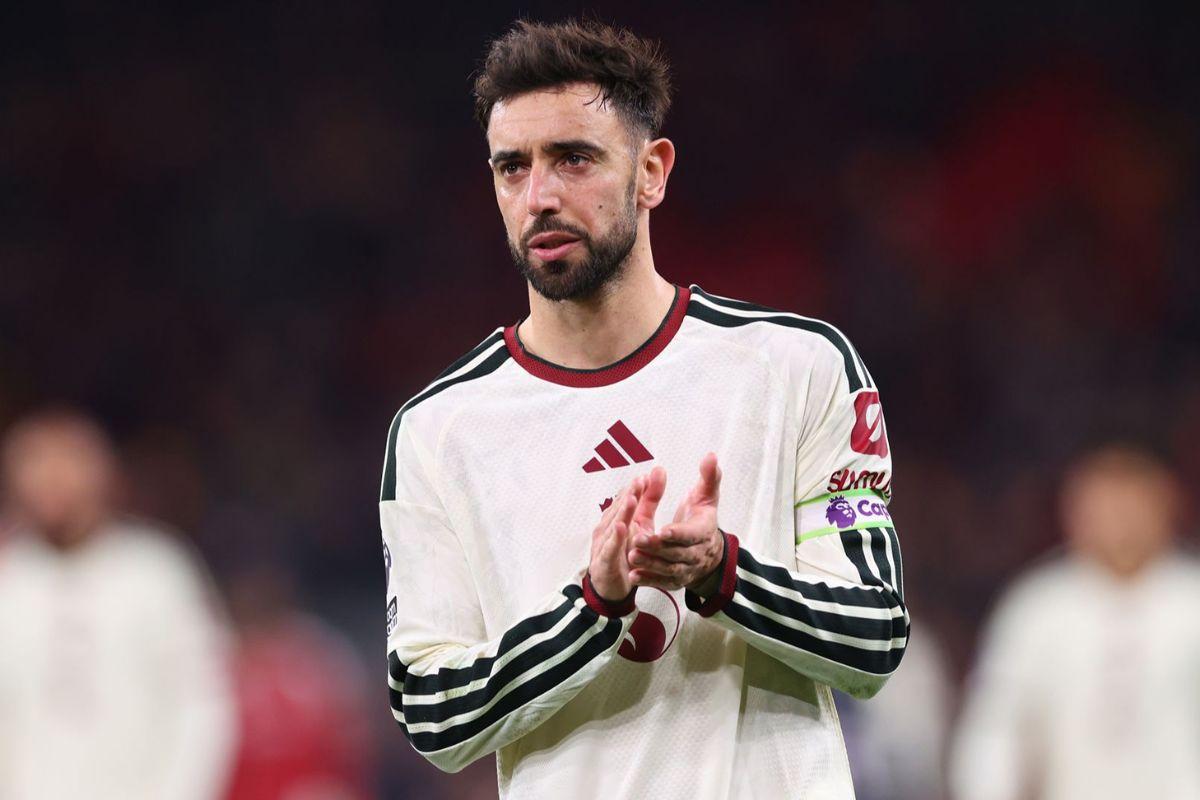
Manchester United supporters are understandably protective of players who continue delivering effort and commitment during difficult seasons.
Fernandes has often appeared frustrated when results go against the club, and his emotional reactions have divided supporters. Some interpret them as evidence of passion and leadership. Others believe a captain must demonstrate greater composure when the team is struggling.
Neither perspective completely captures the complexity of his role.
A captain can be the team’s most productive player and still have areas of his game that require improvement. A player can be essential to the team without being immune to criticism.
That is the standard Manchester United should apply to everyone.
If the club is serious about rebuilding, reputations cannot replace tactical analysis. Past contributions should not prevent difficult questions from being asked, and criticism should not automatically become an attack on a player’s character.
The same standards must apply to Fernandes as they do to every manager, midfielder, striker, and expensive signing who has come through Old Trafford’s doors.
How Long Before United Supporters Ask the Bigger Question?
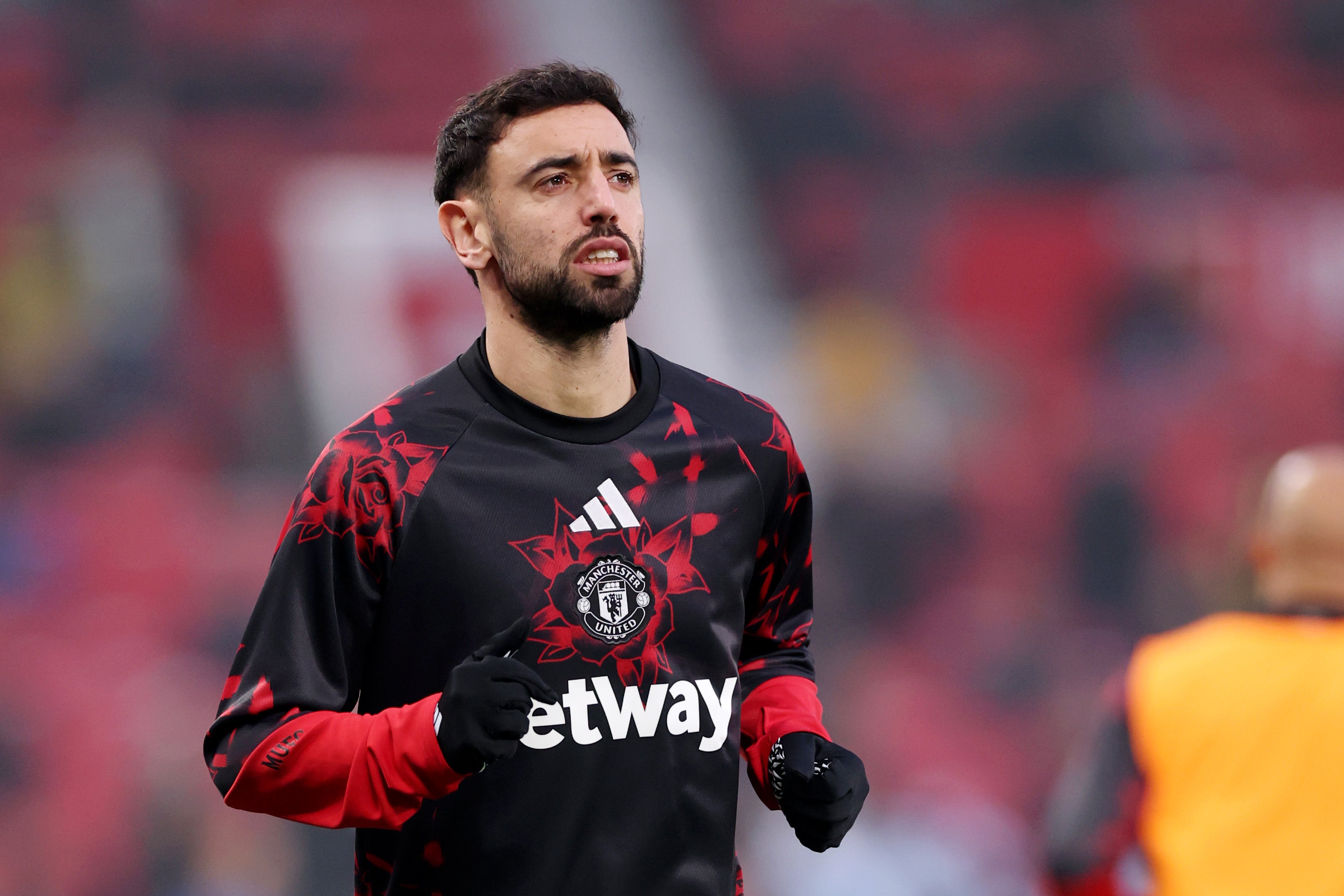
Manchester United have tried different midfield combinations, attacking partnerships, managers, and tactical approaches. The club has repeatedly promised that the next change will finally unlock the team’s potential.
But when the same problems continue appearing, simply identifying another player to blame may not be enough.
Perhaps the recruitment strategy needs to improve. Perhaps the club needs greater tactical consistency. Perhaps certain players have never been placed in roles that maximize their strengths.
Or perhaps there are uncomfortable questions about whether the team’s most influential individuals are always compatible with the football United are trying to play.
Bruno Fernandes deserves credit for what he has contributed to Manchester United. But credit and criticism can coexist.
The real question is not whether Bruno is Manchester United’s problem.
It is whether supporters are willing to examine every part of the problem — including the captain — instead of automatically searching for another teammate, manager, or scapegoat.
Because until Manchester United confront the deeper reasons behind their repeated failures, the names may keep changing.
And the same questions will keep returning to Old Trafford.