A heart that stopped beating nearly 380 million years ago has revealed an extraordinary secret about the evolution of life — and the discovery could help scientists understand how our own bodies developed.
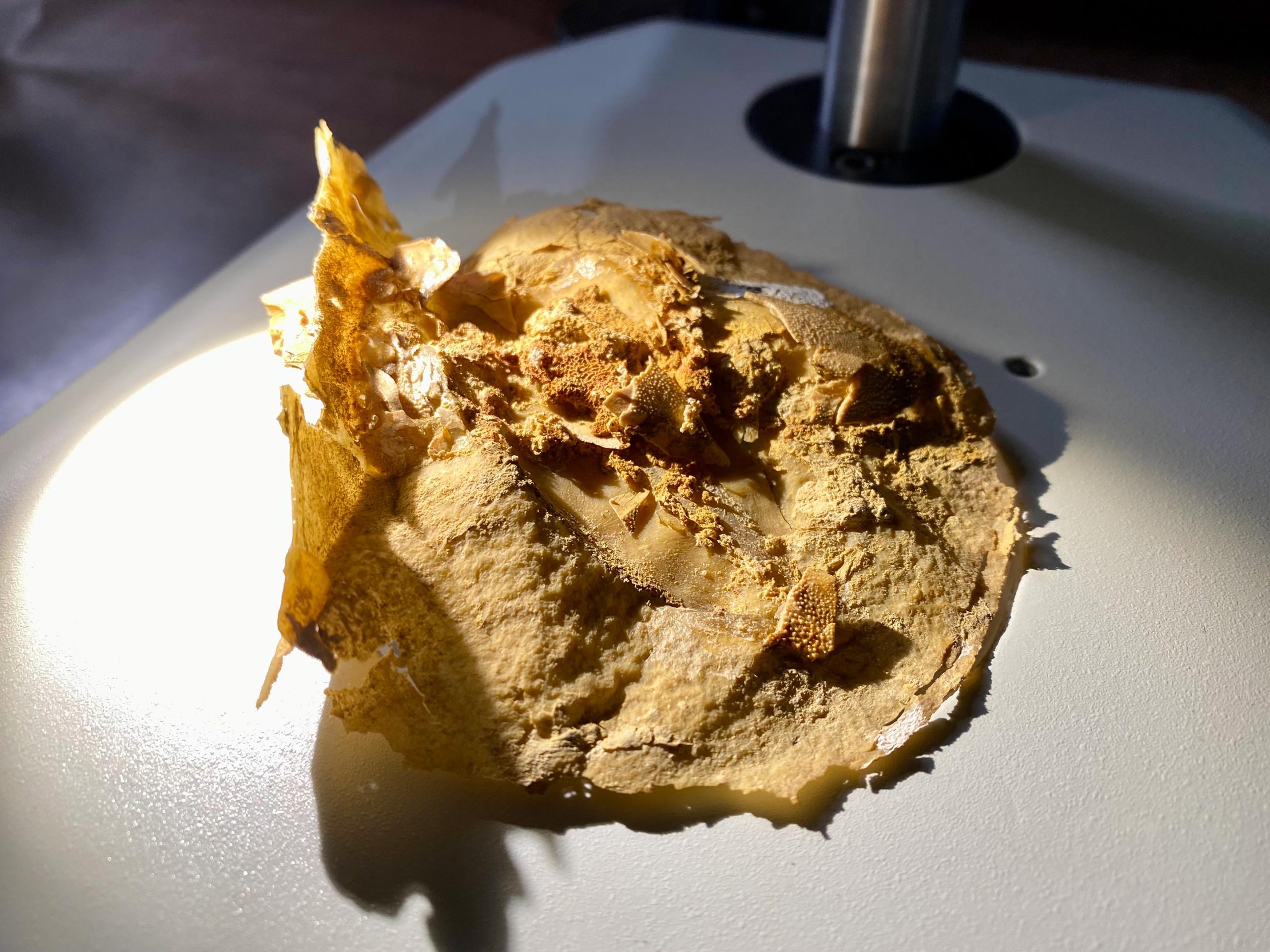
Researchers uncovered the remarkably preserved heart inside an ancient armored fish called an arthrodire, a group of jawed fish that flourished during the Devonian Period, long before dinosaurs appeared on Earth.
Even more astonishing, the heart was preserved in three dimensions, retaining its original spatial structure rather than being flattened into a thin impression in rock.
The discovery, published in the journal Science, also revealed a separate fossilized stomach, intestine and liver. Together, these ancient organs provide a rare opportunity to examine the internal anatomy of an animal that lived hundreds of millions of years ago.

Soft tissues typically decay long before fossilization can preserve them. Finding ancient organs is therefore exceptionally unusual, and discovering them in three-dimensional form is even rarer.
Lead researcher Kate Trinajstic, a professor at Curtin University and researcher with the Western Australian Museum, said she was amazed to find such a beautifully preserved heart after more than two decades of studying fossils.
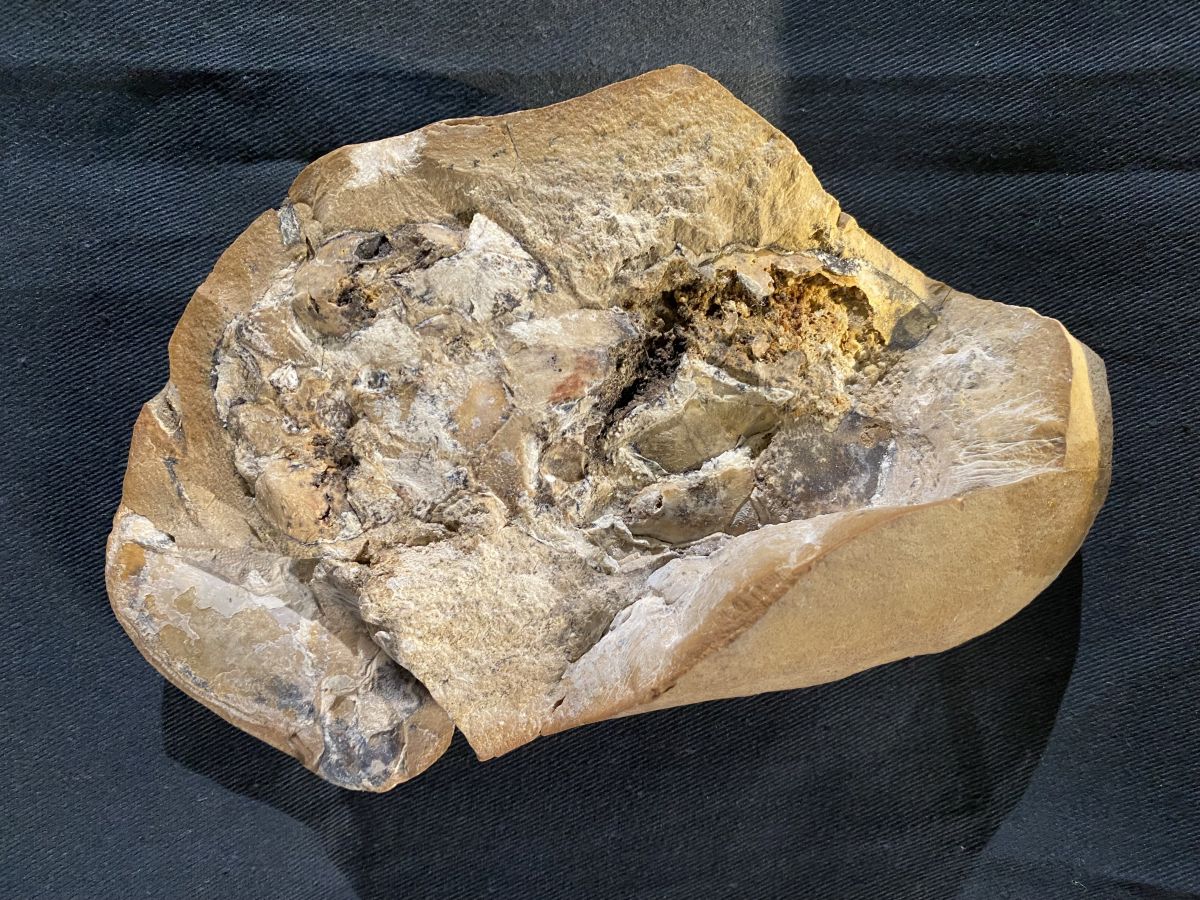
The arrangement of the organs also offered an important evolutionary clue. Researchers found that the internal anatomy of these ancient armored fish shared similarities with that of modern sharks, helping scientists reconstruct how the bodies of early jawed vertebrates evolved.
Arthrodires lived between approximately 419 and 359 million years ago, during a period when jawed fish were diversifying and developing features that would become fundamental to many later vertebrates.
This remarkable fossil does more than preserve the remains of an ancient animal.
It offers a rare glimpse inside a body that lived hundreds of millions of years before our own ancestors took their place in Earth’s evolutionary story.