SONNY GRAY IS 15–3. THE AL CY YOUNG RACE HAS TO TAKE HIM SERIOUSLY NOW.
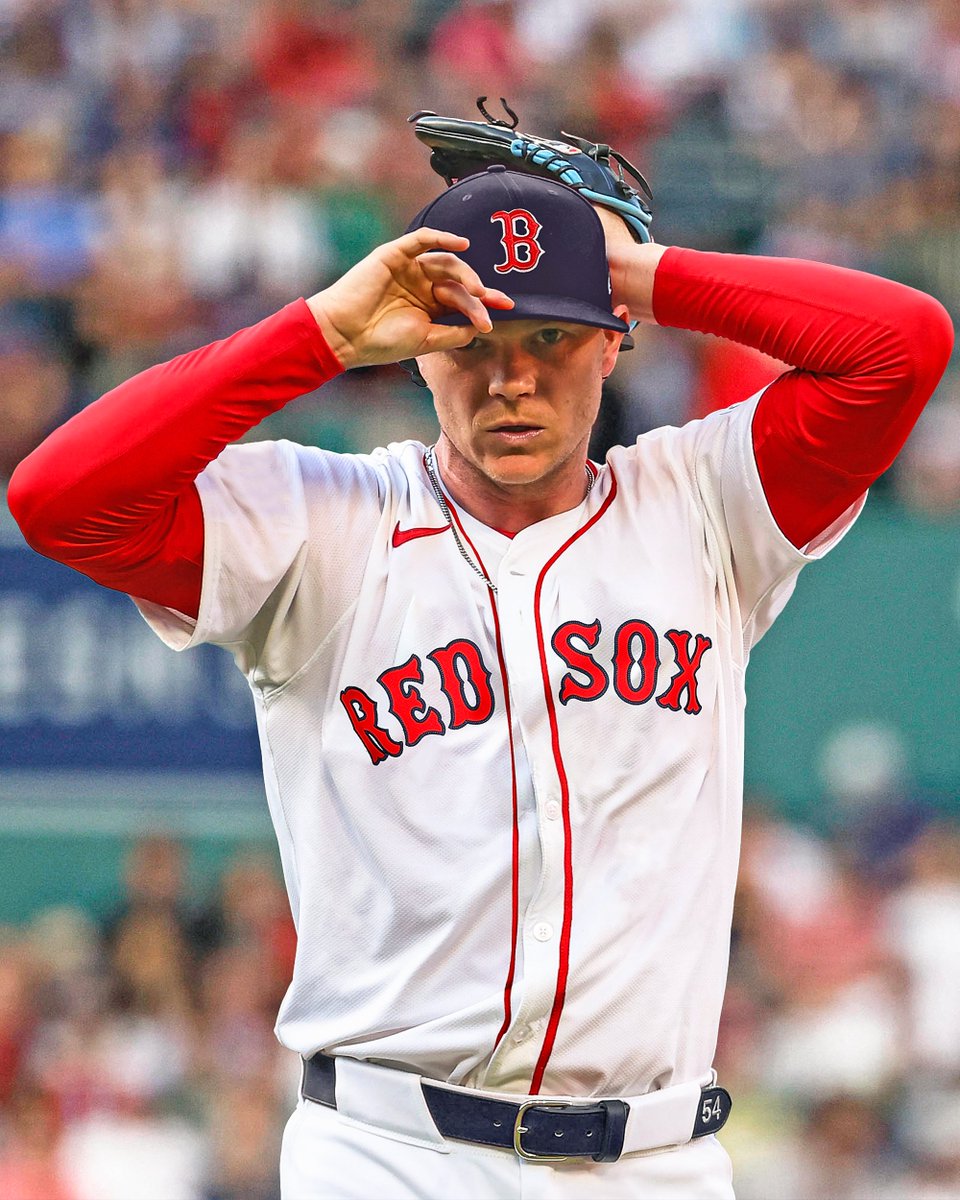
BOSTON — There is a point in every awards race when a good season stops being interesting and starts becoming impossible to ignore.
Sonny Gray may have reached that point.
The veteran right-hander improved to 15–3 on Saturday night in Pittsburgh, throwing seven scoreless innings in Boston’s 4–0 victory over the Pirates. Gray allowed only two hits, walked one and struck out seven.
He needed only 86 pitches.
That final detail matters.
Dominance is valuable.
Efficient dominance is even more valuable in August.
Gray gave Boston seven innings without making the night feel laborious, and that has increasingly become the defining quality of his season.
Through 23 starts, Gray owns a 2.65 ERA with 117 strikeouts and a 1.15 WHIP. His 15 victories are tied for the major league lead and already represent the highest single-season win total of his career.
That is enough to start talking seriously about the American League Cy Young Award.

Not because wins alone should decide it.
They should not.
Modern voters understand that pitcher wins are influenced by run support, bullpen performance and circumstances a starter cannot control.
But Gray’s case is not built only on 15–3.
His ERA remains among the better marks in the American League. His workload has been meaningful. His performance has been consistent. And since returning from an April hamstring injury, he has repeatedly pitched like the stabilizer Boston hoped it was acquiring when it traded for him last winter.
That trade deserves more attention now.
Boston acquired Gray from St. Louis in November 2025, sending Richard Fitts, Brandon Clarke and another piece to the Cardinals. Gray was coming off a 14–8 season with a 4.28 ERA.
Nothing about that transaction guaranteed this.
The Red Sox were buying experience.
They ended up getting a Cy Young candidate.
By July, MLB’s fourth Cy Young poll had Gray ranked fourth in the American League. At the time, he was 12–1 with a 2.48 ERA and had posted a 1.11 ERA across his previous five starts.
The race has evolved since then.
So has Gray’s résumé.
ESPN’s current Cy Young Predictor places Gray first in the American League, ahead of Toronto closer Louis Varland and several other high-end pitchers.
That tool is not a ballot.
It does not know what voters will value in November.
But it reflects an important reality.
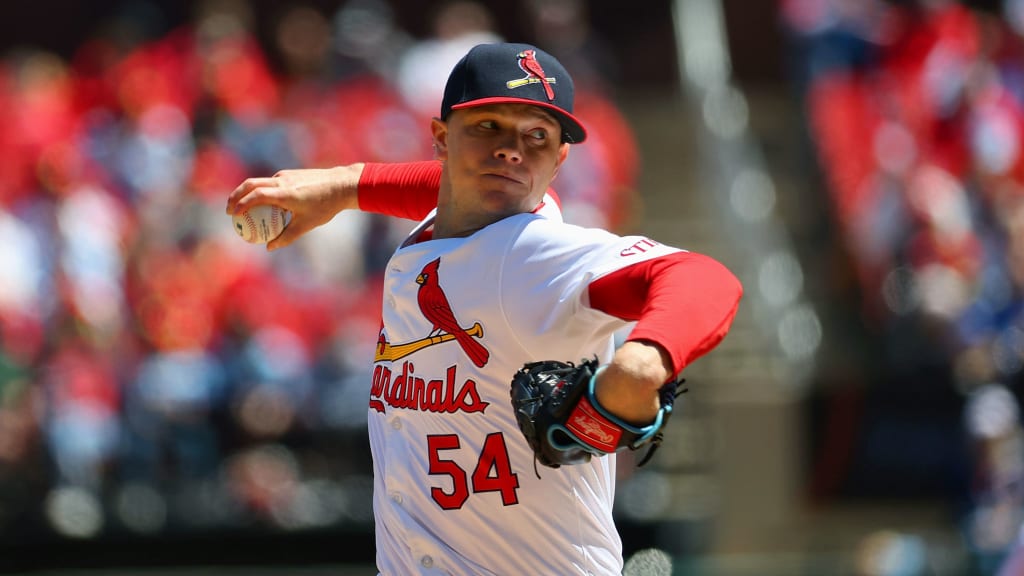
Gray has accumulated the kind of traditional and run-prevention numbers that historically place a pitcher directly in the conversation.
There are weaknesses in his candidacy.
His strikeout total is not overwhelming compared with some of the league’s more dominant power arms.
Back in July, Gray ranked only 24th in the AL in strikeouts despite sitting near the top of the league in wins and ERA.
That matters.
Cy Young voters increasingly examine strikeout rate, innings, fielding-independent metrics and overall dominance rather than simply wins and ERA.
Gray is not going to overpower every rival candidate in those categories.
His path is different.
He wins with command.
He changes speeds.
He moves the baseball.
He makes hitters uncomfortable without needing every at-bat to end in a strikeout.
Saturday against Pittsburgh was a perfect example.
Seven strikeouts were plenty.
More importantly, the Pirates barely created anything against him.
That is run prevention.
And ultimately, run prevention remains the job.
The broader context helps too.
Boston has spent 2026 navigating injuries, instability and stretches when its offense disappeared.
Gray has frequently been the pitcher who stops that noise.
Earlier this week, he took a loss against Toronto despite allowing only two runs in six innings. He returned five days later and threw seven scoreless.
That is what an ace does.
Not win every start.
Reset quickly.
Gray also has history in this conversation.

He finished second in AL Cy Young voting in 2023 while pitching for Minnesota.
He has been an All-Star three times.
He understands what an elite season feels like.
But he has never won the award.
At 36, another opportunity may not come.
That adds emotional appeal, but voters should not care about sentiment.
The numbers need to be enough.
Right now, they are.
Fifteen wins.
Three losses.
2.65 ERA.
A Boston team relying heavily on him every fifth day.
There are still six weeks left.
A couple of bad starts could change everything.
A strong September could change even more.
That is why saying Sonny Gray has already won the Cy Young would be ridiculous.
Saying he belongs squarely in the race is not.
The Red Sox traded for a veteran starter.
By August, they may have ended up with something considerably more valuable.
A legitimate American League Cy Young candidate.
And after 15 wins, nobody should need convincing that Sonny Gray belongs in the conversation anymore.