The daily management of a Major League Baseball clubhouse during the demanding stretches of a regular season requires an intricate balance between tactical discipline, player psychology, and institutional stability. For the Toronto Blue Jays, navigating the
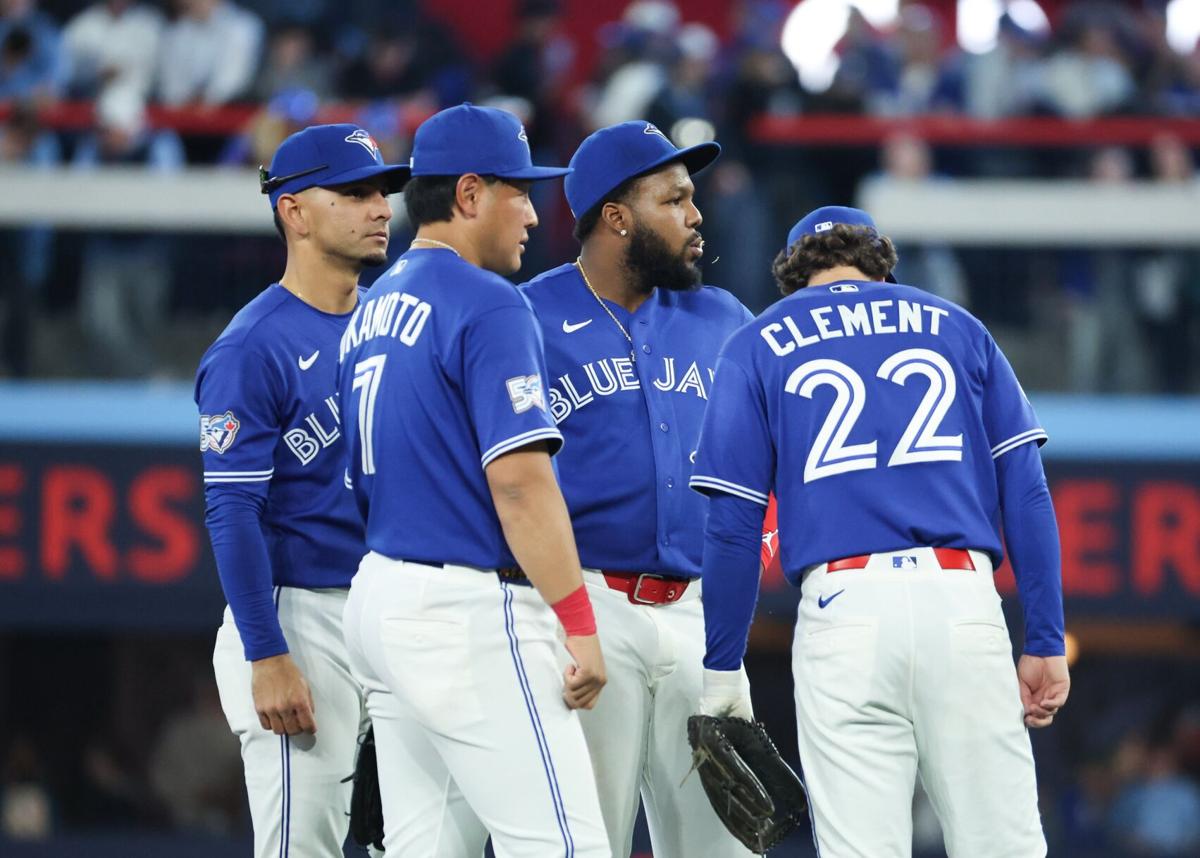
high-pressure environment of the American League East involves constant scrutiny from media, analytical departments, and a dedicated fanbase. Following a difficult series against division rivals such as the Boston Red Sox, external discussions often amplify internal challenges, portraying standard tactical disagreements as dramatic clubhouse fractures.
However, a measured examination of major league operations reveals that managing player execution, strategic alignment, and interpersonal communication is a continuous, routine process fundamental to modern professional sports leadership.
At the center of any major league dugout is the relationship between the manager and his active roster. Blue Jays manager John Schneider operates within a contemporary baseball structure where managerial decisions are deeply integrated with front-office analytics, advanced scouting reports, and collaborative game planning.
When a team experiences a difficult tactical outing on the field—whether marked by missed bunt signs, baserunning miscalculations, pitch sequencing breakdowns, or aggressive swings outside the established strike-zone approach—the coaching staff must determine the root cause of the breakdown.
In the fast-paced environment of professional baseball, identifying whether an error stems from physical misexecution, miscommunication of situational strategy, or lapses in concentration is essential for maintaining on-field accountability.

The demands placed on major league players require strict adherence to detailed pre-game scouting reports. Against disciplined pitching staffs and well-structured defensive alignments like those deployed by Boston, success depends heavily on collective execution rather than individual improvisation.
When individual players deviate from predetermined situational approaches—such as expanding the strike zone in high-leverage counts or failing to advance runners according to the tactical plan—the overall offensive structure can quickly falter. Post-game discussions between managerial staff and players are designed to address these deviations directly.
While outside commentators frequently interpret intense clubhouse dialogues as signs of systemic internal conflict, professional managers view direct feedback as a vital tool for reinforcing team identity and competitive standards.
Clubhouse cohesion in professional baseball is rarely a uniform or static state; it is an evolving dynamic shaped by veteran leadership, cultural diversity, and varying career stages. Managing twenty-six distinct personalities across a
grueling 162-game schedule inevitably leads to moments of tactical friction. Disagreements regarding pitch selection, defensive positioning, or pinch-hitting decisions are natural occurrences across every major league dugout over the course of a six-month campaign.
Established baseball organizations build operational frameworks that allow for open dialogue, constructive disagreement, and immediate course correction behind closed doors, ensuring that disagreements over game strategy do not undermine long-term team unity.
The role of leadership within the Toronto organization involves creating an environment where individual accountability supports collective goals. Front-office leadership, under team president Mark Shapiro and general manager Ross Atkins, works in close coordination
with Schneider to ensure consistent organizational philosophy across all levels. When tactical lapses occur during high-profile divisional matchups, the managerial responsibility is not to seek personal scapegoats, but to establish clear expectations for professional preparation and execution.
Accountability in modern baseball is measured through measurable metrics such as defensive runs saved, chase rates, quality at-bats, and adherence to shifting protocols, all of which provide an objective baseline for player evaluation.

The competitive nature of the American League East magnifies every tactical outcome. In a division where multiple franchises possess elite resources and sophisticated analytical systems, the margin between victory and defeat is exceptionally slim.
A single missed sign or an unexecuted defensive relay can alter the course of an entire series, affecting divisional standings and wild-card positioning. Because the stakes are consistently high, the intensity surrounding performance reviews can lead to heightened public speculation.
Experienced baseball leaders recognize that emotional reactions to individual losses must be quickly replaced with analytical objectivity and a focus on the upcoming game.
Player-coach communication has evolved substantially over the past decade with the advent of real-time video review and biometric data tracking. Managers and position coaches no longer rely solely on verbal
instruction; they utilize objective data to demonstrate where execution diverged from the tactical plan. When players are shown concrete video evidence of mechanical breakdowns or missed reads on the basepaths,
the discussion shifts from subjective blame to practical problem-solving. This data-driven approach removes personal animosity from performance reviews, helping to preserve professional trust between athletes and coaching personnel.

Veteran players within the clubhouse serve as crucial intermediaries in reinforcing managerial messaging. Experienced leaders who have navigated the ups and downs of multiple major league seasons understand that public narratives often exaggerate internal locker room dynamics.
Their role is to mentor younger players, stabilize the emotional temperature of the clubhouse during losing streaks, and ensure that every member of the roster remains committed to the daily preparation routine.
By maintaining focus on physical recovery, video study, and batting cage work, the veteran core helps prevent individual frustrations from distracting the collective effort.
As the Blue Jays continue their regular season campaign, the focus remains firmly centered on continuous tactical refinement and organizational alignment. The lessons drawn from difficult divisional contests provide critical
data points for the coaching staff as they optimize lineups, refine bullpen usage, and emphasize situational hitting. In professional baseball, the ability of a clubhouse to absorb tough feedback, address
operational inconsistencies, and return to the field unified under a shared tactical vision is what defines a resilient organization capable of competing at the highest level.