⚾ Duane Ward Returned to Toronto for a Championship Reunion but Never Reached the Ceremony—Why “Natural Causes” Remains the Only Confirmed Explanation for His Sudden Death at 62
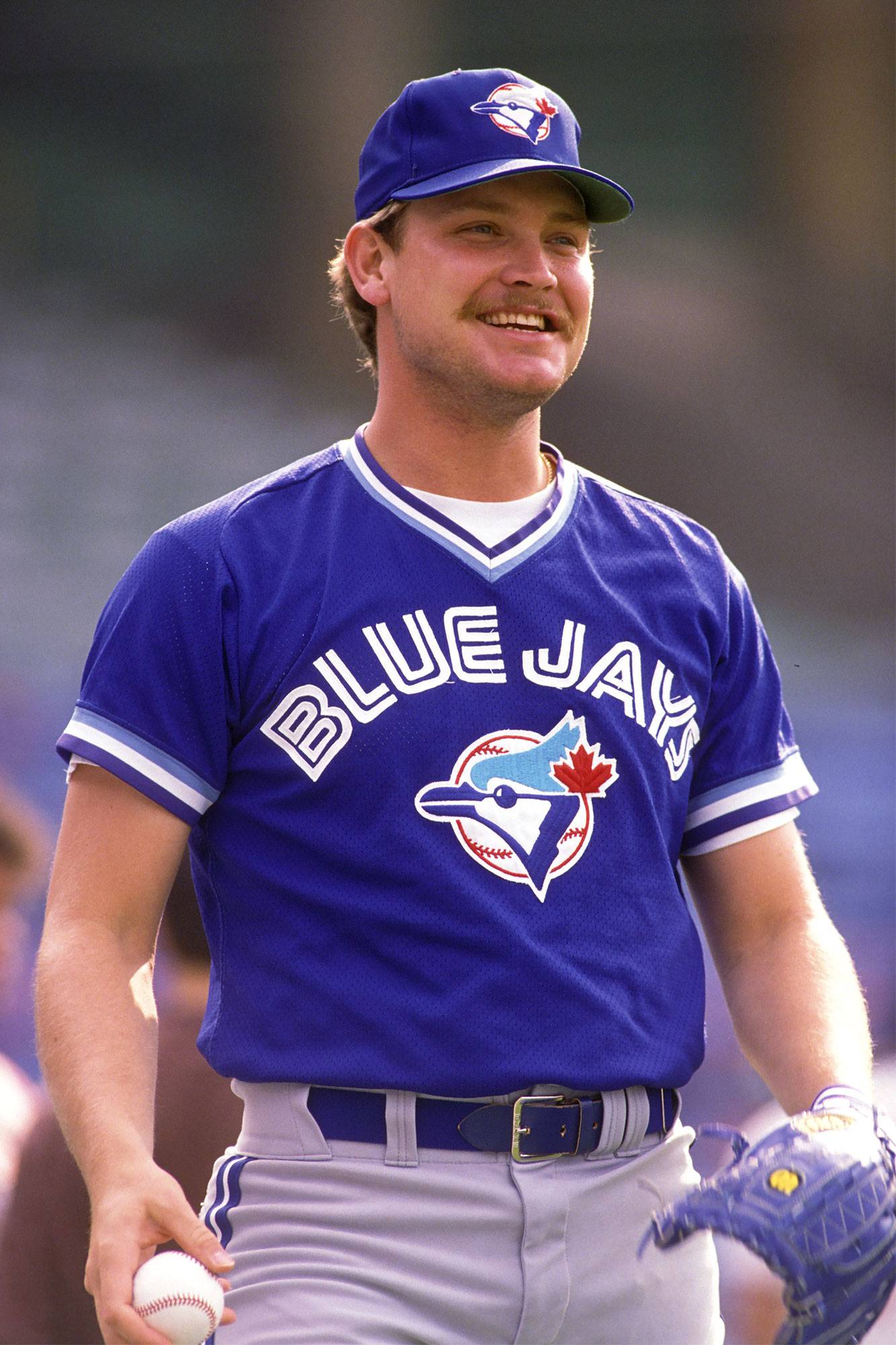
There are players who miss a reunion because plans change.
There are empty places that initially seem easy to explain.
And then there are absences that transform a celebration into something no one inside the stadium was prepared to understand.
Duane Ward arrived in Toronto for a reunion with the Blue Jays teams that won the 1992 and 1993 World Series.
He shared dinner with former teammates on Friday.
By Saturday’s ceremony, he was missing.
Ward had died at 62 from what the club described as “natural causes.”
But what does that explanation confirm—and what remains painfully unknown?
Duane Ward returned to Toronto for a celebration of the greatest era in Blue Jays history.
He was supposed to stand beside the teammates who had fought through two championship seasons with him.
He was supposed to ride into Rogers Centre with Tom Henke, the fellow reliever with whom he had once formed one of baseball’s most intimidating bullpen combinations.
Instead, Ward’s absence became the first sign that something was terribly wrong.
The weekend had begun with joy.
Ward traveled from his Las Vegas home and arrived in Toronto on Friday to join former players, coaches and executives from the 1992 and 1993 World Series championship teams.
That evening, several members of those teams gathered for dinner.
Ward laughed, remembered old battles and spent time speaking privately with Henke.
Nothing about the gathering suggested that it would become their final night together.
Henke later said Ward appeared “a little tired,” but there was no obvious indication of a medical emergency.
Ward reportedly attributed his fatigue to the long journey and said he planned to get some sleep before the next day’s celebration.
It sounded ordinary.
It sounded harmless.
It sounded like something any tired traveler might say after a long flight and an emotional evening.
Then Saturday arrived.
The place beside Tom Henke was empty
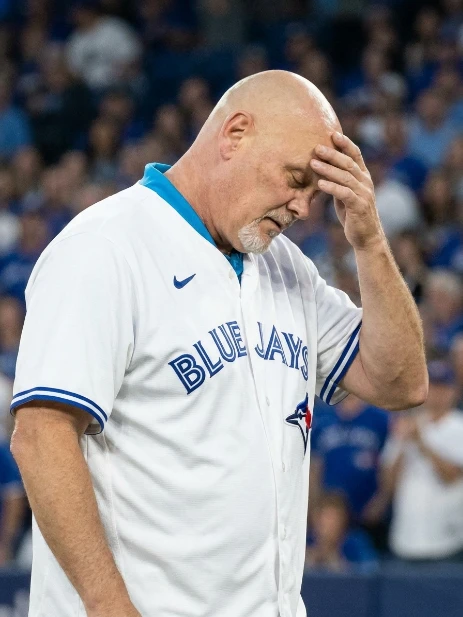
Ward and Henke were scheduled to sit together on one of the vehicles carrying Blue Jays alumni onto the Rogers Centre field.
The ceremony would honor the back-to-back champions and unveil a statue commemorating one of the proudest periods in Canadian baseball history.
But when it was time for the players to assemble, Ward was not there.
Former teammates began asking where he was.
People tried to locate him.
Henke said prayers while waiting for news.
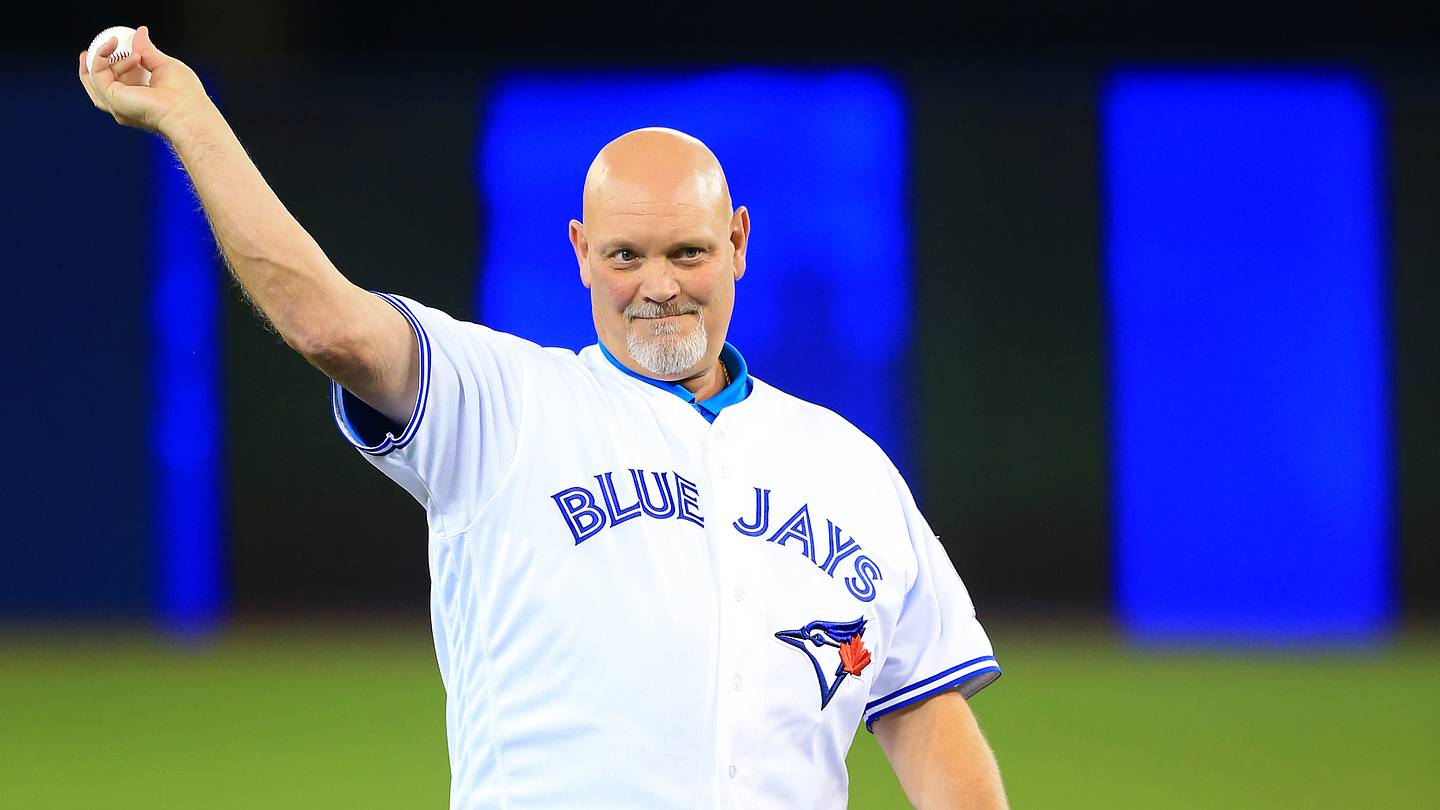
Eventually, the vehicle entered the field without Ward, leaving Henke to make the journey alone.
The celebration continued in front of thousands of fans, but an unanswered question now hung over the reunion.
Where was Duane Ward?
Not long after the ceremony, his former teammates received the devastating answer.
Ward had died in Toronto at the age of 62.
The Blue Jays publicly announced his death on Sunday, July 19, and said he had passed away from natural causes. MLB’s official report confirmed both his absence from the ceremony and the club’s stated cause of death.
What “natural causes” tells us—and what it does not
The phrase “natural causes” is the only confirmed public explanation for Ward’s death.
It is important, however, to understand how limited that explanation is.
“Natural causes” is a broad classification.
It does not identify the precise medical event that ended a person’s life.
It does not tell the public whether Ward suffered a heart attack, stroke, undiagnosed illness or another internal medical condition.
None of those possibilities has been confirmed by Ward’s family, the Blue Jays or a publicly released medical report.
No specific underlying illness has been disclosed.
There is also no confirmed public evidence that Ward had been battling a serious disease before traveling to Toronto.
The fatigue Henke noticed may have been medically significant—or it may simply have been fatigue following a long trip.
The available evidence does not allow anyone outside Ward’s family and medical authorities to know.
That distinction matters.
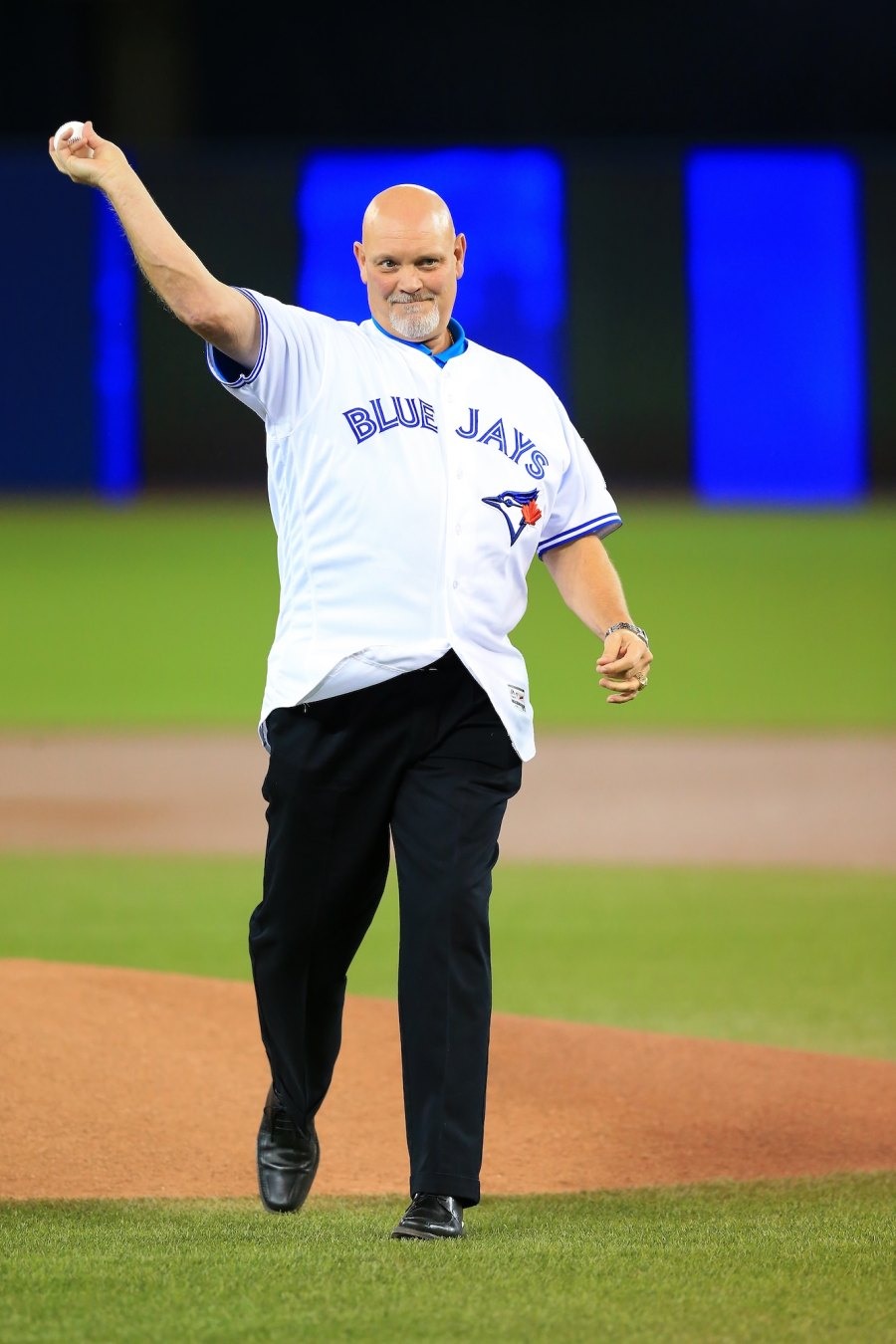
Ward’s sudden absence naturally created questions among fans, especially because he was only 62 and had been socializing with teammates hours earlier.
But unanswered questions are not evidence of a concealed diagnosis.
The responsible conclusion is narrower and less sensational than many social-media theories.
Ward died suddenly from natural causes.
The exact medical cause has not been made public.
Anything more specific would be speculation.
A final conversation between bullpen brothers
The emotional power of Ward’s final hours comes from what is known.
He was back among the men with whom he had shared the defining years of his career.
He and Henke had once shortened games for Toronto so effectively that opponents knew they needed to build a lead before the late innings arrived.
Ward attacked hitters with intensity.
Henke carried a calmer personality.
Together, they gave the Blue Jays a bullpen structure that looked years ahead of its time.
During Friday’s dinner, the two men stepped away from the larger group and spoke privately.
They revisited their years playing catch before games, the pressure of protecting narrow leads and the routines that had connected them throughout their careers.
Neither man knew it would be their final conversation.
Henke later described Ward’s death as an enormous shock and said there had been nothing obvious that made him expect such an outcome. Sportsnet’s account documented that final dinner and Ward’s missing place beside Henke the following afternoon.
The record no Blue Jays closer has reached
Ward’s death was especially painful because his achievements remain alive throughout the franchise.
After Toronto acquired him from the Atlanta Braves in 1986, he developed from an inconsistent young starter into a dominant power reliever.
From 1988 through 1992, Ward became the relentless bridge to Henke, repeatedly handling demanding late-inning workloads that would be almost unimaginable for many modern relievers.
When Henke departed after the 1992 championship, Ward inherited the closer’s role.
He responded with the greatest saves season in Blue Jays history.
Ward recorded 45 saves in 1993.
He posted a 2.13 ERA and struck out 97 batters across 71⅔ innings.
He earned his only All-Star selection and finished fifth in American League Cy Young Award voting.
More than three decades later, his 45 saves remain Toronto’s single-season franchise record.
No other Blue Jays closer has reached 40.
Ward was also exceptional when the pressure became greatest.
Across the 1992 and 1993 World Series, he made eight appearances, recorded a 3–0 record with two saves and posted a 1.13 ERA.
He was the winning pitcher in Game 6 of the 1993 World Series after throwing a scoreless ninth inning moments before Joe Carter’s legendary championship-winning home run.
His career and postseason numbers are preserved by the Canadian Baseball Hall of Fame, which inducted him in 2020.
The reunion he reached—but the ceremony he never saw
Ward did make it back to Toronto.
He did reunite with his teammates.
He did share one final dinner with the people who understood what those championship seasons had demanded.
What he never reached was the public celebration.
That missing place beside Tom Henke became more powerful than anyone could have imagined.
The Blue Jays have confirmed that Ward died from natural causes.
They have not released a more specific medical explanation.
Until his family or appropriate authorities choose to provide additional information, that is where the factual story must end.
But Ward’s baseball story does not end there.
One unforgettable bullpen partnership.
Two World Series championships.
Forty-five saves in a season no Toronto closer has matched.
And one final return to the city where Duane Ward became a champion.