Seattle Seahawks Mourn Victims of Bite of Seattle Shooting as the City Faces an Unthinkable Tragedy

The Seattle Seahawks have issued a heartfelt message following the devastating shooting at the Bite of Seattle food festival, offering support to grieving families, injured victims, first responders, and a community struggling to understand how a celebration of culture and connection ended in tragedy.
Seattle was supposed to be celebrating.
On the final evening of the annual Bite of Seattle food festival, families gathered at Seattle Center to enjoy local food, music, summer weather, and the sense of community that has made the event one of the city’s most recognizable traditions.
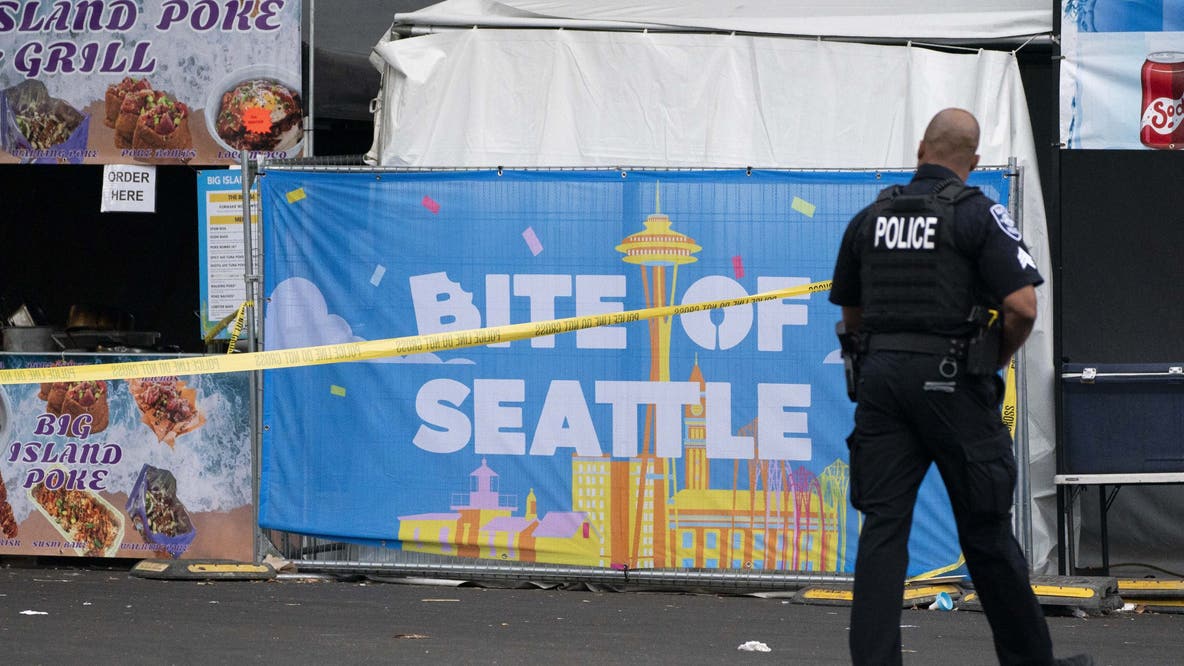
But shortly after 6 p.m. on July 26, that atmosphere was shattered.
Gunfire erupted near the Seattle Center Armory, sending festivalgoers running for safety and transforming a place built around connection into a scene of confusion, fear, and heartbreak.
Three people were killed in the shooting, while several others were injured, including a young child. Seattle police officers who were already present at the event responded within seconds, providing emergency aid and working alongside firefighters and medical personnel to help the wounded. The investigation remains ongoing as authorities continue gathering evidence and searching for answers.
As Seattle began processing the tragedy, one of the city’s most recognizable sports organizations stepped forward with a message that went far beyond football.
Seahawks Stand With a Grieving Seattle Community
The Seattle Seahawks expressed deep sorrow following the violence, extending condolences to the families of those who lost their lives and offering support to everyone affected by the tragedy.
The organization also recognized the work of Seattle police officers, firefighters, emergency medical personnel, event staff, and community members who responded during the chaos.
For a franchise whose identity has long been connected to the people of the Pacific Northwest, the response reflected a belief that the Seahawks are more than a football team.
They are part of Seattle.
The city’s victories have been their victories. Its celebrations have filled Lumen Field. And when the community experiences pain, the organization understands that remaining silent is not enough.
The Seahawks have built much of their community mission around supporting people and organizations throughout the region, with initiatives focused on education, mental health, youth development, equality, and emergency community needs.
That history gave the team’s response additional meaning.
The message was not about football.
It was about people.
It was about families who woke up expecting an ordinary summer evening and ended the night facing unimaginable loss. It was about injured victims beginning difficult recoveries. And it was about witnesses, workers, first responders, and loved ones who may continue carrying the emotional weight of what they experienced.
A Celebration of Seattle Turned Into a Night of Fear

Bite of Seattle has traditionally represented many of the qualities the city celebrates most: diversity, creativity, local culture, and community.
The festival draws enormous crowds and brings people from different neighborhoods together around a shared experience.
That was why the violence struck such a deep emotional nerve.
A gathering designed to create joyful memories instead became a place where families were forced to run, search for loved ones, and wait for information.
Seattle officials emphasized that the impact of gun violence extends beyond the people physically injured.
Witnesses may carry trauma long after the event ends. Children who heard the gunfire may struggle to understand what happened. Vendors and workers may return to the same location with memories that have permanently changed the way they view it.
The city’s grief is therefore much larger than the official number of victims.
It belongs to everyone who was there.
It belongs to the families waiting for answers.
And it belongs to a community trying to understand how violence entered a place meant to bring people together.
The First Responders Who Ran Toward the Danger
Amid the fear and confusion, first responders moved toward the danger.
Seattle police officers were already assigned to the event and responded rapidly after hearing gunfire. Officers provided emergency medical assistance before Seattle Fire Department personnel arrived and continued working to protect the public and identify those responsible.
Their actions became an important part of the story.
While hundreds of people were trying to escape the area, officers and emergency personnel were moving into the scene to help strangers.
For the Seahawks, recognizing those efforts was a reminder that Seattle’s strength is often revealed during its most difficult moments.
The city is known for the noise of the 12s, championship celebrations, packed stadiums, and unforgettable sports memories.
But its real strength is also found in quieter moments:
A first responder providing emergency aid.
A bystander helping a frightened family reach safety.
A neighbor opening a door to people running from danger.
A community refusing to allow grief to become isolation.
Those actions may not appear on a scoreboard, but they represent the same values Seattle has celebrated for generations.
Football Takes a Back Seat
The timing of the tragedy came as the Seahawks were preparing for another season following their Super Bowl LX championship.
Training camp had returned. Players were preparing for the challenges ahead. Fans were beginning to look forward to another year of football.
But the events at Seattle Center placed those conversations in perspective.
Football can bring people together. It can create joy and provide an escape from the pressures of everyday life.
Yet there are moments when the game must step aside.
This was one of them.
The Seahawks’ response served as a reminder that a professional sports organization carries responsibilities beyond wins and losses. The team represents millions of fans, but it also belongs to the neighborhoods, families, schools, first responders, and community organizations that make Seattle what it is.
When the city hurts, the team hurts with it.
And when the city begins healing, the Seahawks have an opportunity to help bring people together.
Seattle’s Next Challenge Is Healing
The investigation into the shooting continues, and authorities are still working to establish a complete picture of what happened.
But even when the investigation eventually provides answers, the emotional impact will not disappear overnight.
Families will continue grieving.
Injured victims will continue recovering.
Witnesses may continue replaying the events in their minds.
Seattle will have to confront difficult questions about public safety, violence, and how communities can protect spaces meant for families and shared celebrations.
The Seahawks cannot solve those challenges alone.
But their message can help reinforce an important truth:
Seattle is not defined only by the tragedy it experiences.
It is also defined by how its people respond.
The city has faced difficult moments before. Each time, its communities have found ways to support one another.
That same spirit will now be needed again.
More Than a Message

The Seahawks’ statement was ultimately about solidarity.
It was a promise that the victims would not be forgotten.
It was recognition that first responders deserve gratitude.
And it was a reminder that the people of Seattle are connected by something larger than sports.
The blue and green colors worn on Sundays have always represented pride.
In the days following the Bite of Seattle tragedy, they may also represent compassion.
The city will mourn.
The families will grieve.
The investigation will continue.
But Seattle will also stand together.
Because even during its darkest moments, a community can still choose to care for one another—and sometimes, that shared compassion becomes the first step toward healing.
“Seattle has celebrated together, cheered together, and now grieves together. The strength of this city will not be measured by how loudly it responds, but by how faithfully it stands beside the families who need it most.”