Jed York’s declaration that “We will be in the Super Bowl this season” was more than a soundbite. It was a statement that instantly reverberated across the NFL, sparking debate about whether the San Francisco 49ers president had just set the stage for triumph or for one of the most scrutinized failures in franchise history. In a league where cautious optimism is the norm, York’s boldness stood out. It was not couched in qualifiers or hedged with uncertainty; it was a gauntlet thrown down, a promise that could define the entire campaign and shape his legacy. For fans, analysts, and players alike, those eight words became a rallying cry and a lightning rod all at once.

The 49ers have lived for years with the weight of expectation. Their roster has consistently been among the most talented in the league, their coaching staff praised for innovation, and their playoff runs tantalizingly close to glory. Yet the Lombardi Trophy has remained elusive, slipping away heartbreakingly. York’s vow must be understood against that backdrop. It was not simply optimism; it was defiance against the narrative that San Francisco cannot finish the job. “We’ve built this team to win now,” York reportedly told confidants. “Anything less than a Super Bowl appearance is not acceptable.” That sentiment reflects the urgency within the organization, a recognition that windows of opportunity in the NFL are fleeting and that the time to deliver is now.
The reaction across the league was immediate and polarized. Supporters hailed York’s confidence as the kind of leadership that galvanizes a franchise. Skeptics dismissed it as reckless bravado, warning that such promises can backfire if the team falters. For the players, however, the statement carried a different weight. It was both a challenge and a vote of confidence. By publicly declaring the Super Bowl as the expectation, York placed immense pressure on the roster, but he also signaled unwavering belief in their ability to meet that standard. “When the president of the team says we’re going to the Super Bowl, you feel that responsibility,” one veteran player admitted. “But you also feel that he believes in us. That matters.”
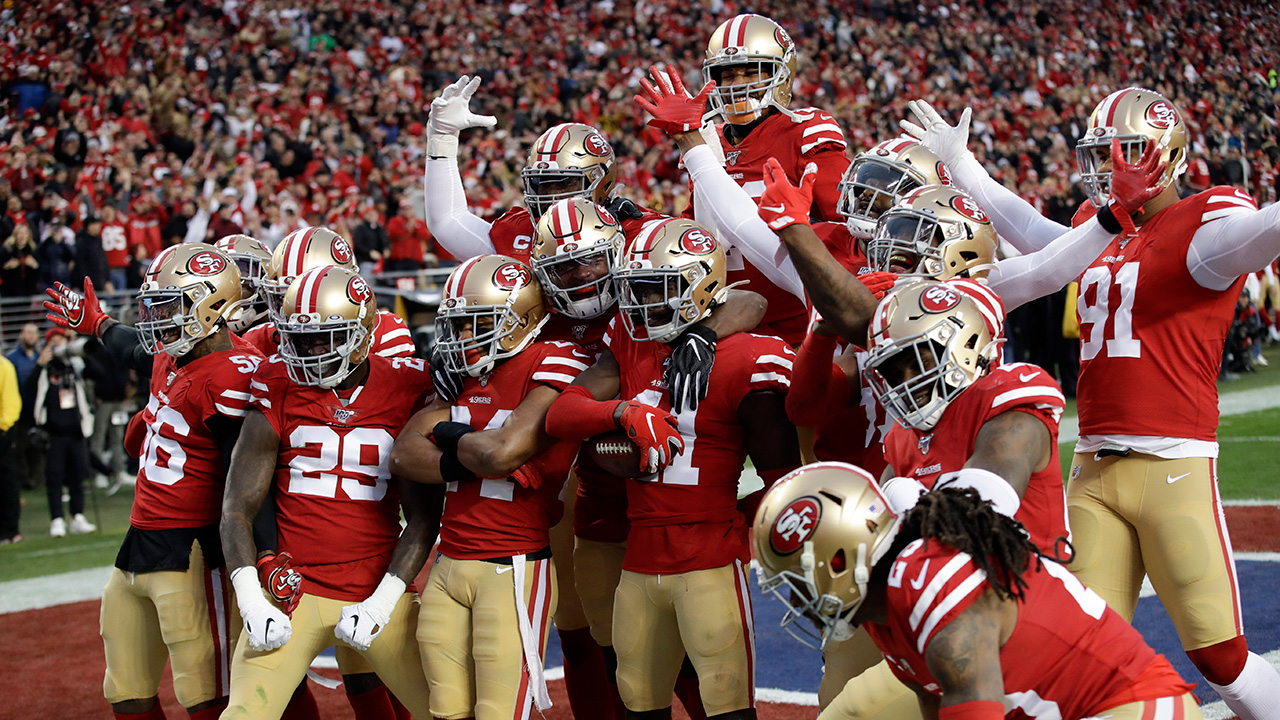
The cultural impact of York’s words cannot be overstated. The 49ers are a franchise steeped in history, defined by dynasties led by Joe Montana and Steve Young. Every generation since has been measured against those golden years, and every near miss has been magnified by the shadow of past greatness. York’s vow was an attempt to reclaim that narrative, to remind the fanbase that the pursuit of championships is not a relic of the past but a living mission. “This isn’t about nostalgia,” York said in one interview. “It’s about building a future that honors our history by adding to it.” That framing positioned the Super Bowl not as a dream but as an expectation, a standard that the organization refuses to compromise.
For fans, the statement was both exhilarating and nerve-wracking. Decades of heartbreak have taught them caution, yet York’s words reignited a sense of belief. Season ticket holders spoke of the vow as a spark that reignited their passion, while others worried that it set the team up for ridicule if they fell short. “It’s bold, it’s risky, but it’s what we needed,” one supporter said. “We’ve been so close so many times. Hearing York say it out loud makes me believe this is the year.” That emotional response illustrates the dual power of leadership statements: they can inspire hope, but they also raise the stakes of failure.
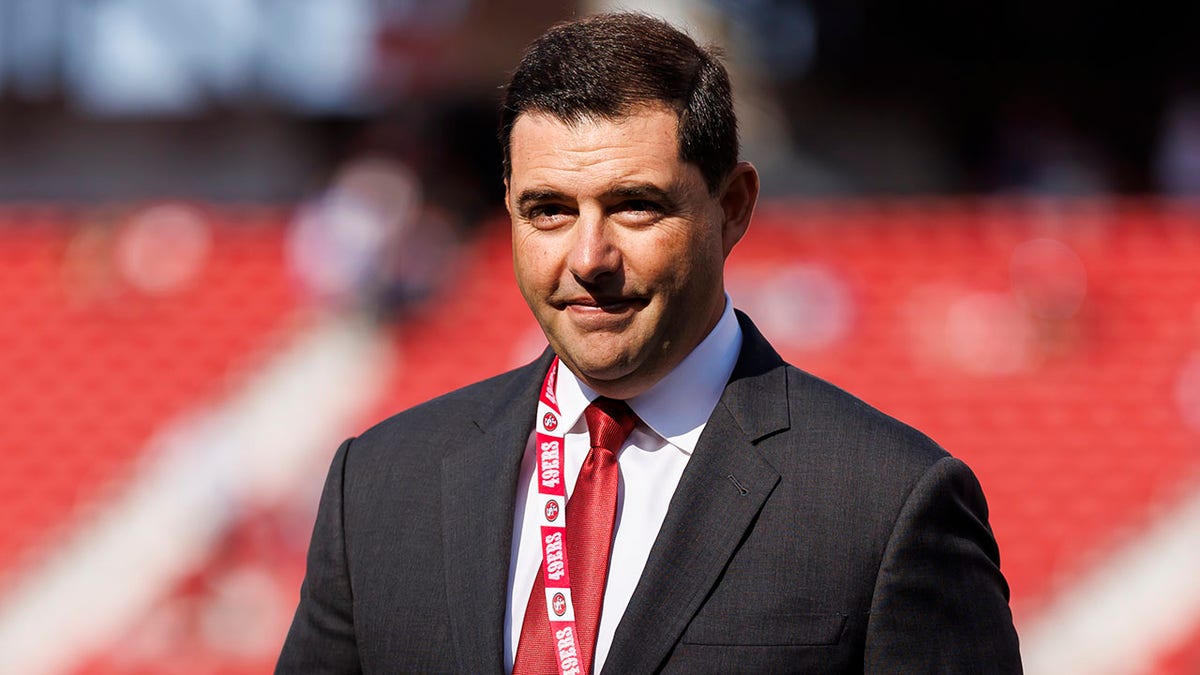
Within the locker room, York’s vow reportedly intensified focus. Coaches emphasized execution and discipline, reminding players that every detail matters when the expectation is a Super Bowl. Brock Purdy, the young quarterback at the center of the team’s hopes, embraced the challenge. “Pressure is part of the job,” Purdy said. “If we’re not aiming for the Super Bowl, what are we doing here?” His words echoed Montana’s recent advice to embrace individuality and authenticity rather than chasing ghosts of the past. Together, the messages from past and present leaders created a narrative of belief rooted in the present moment.
Analysts across the NFL debated whether York’s vow was strategic or impulsive. Some argued that it was a calculated move designed to unify the organization and silence doubts. Others suggested it was a risky gamble that could backfire if injuries or missteps derailed the season. Yet even critics acknowledged the power of the statement. In a league where perception often shapes reality, York’s words forced the 49ers into the spotlight, ensuring that every game would be viewed through the lens of Super Bowl expectations. That visibility can be a burden, but it can also be a motivator, pushing players to rise to the occasion.

The broader significance of York’s vow lies in its potential to redefine his legacy. Presidents and owners are often remembered not for their day-to-day management but for the bold decisions that shape eras. If the 49ers reach the Super Bowl, York’s words will be remembered as prophetic, a moment of leadership that galvanized the franchise. If they fall short, the vow will be replayed endlessly as evidence of hubris. That duality is the risk of bold leadership, but it is also the essence of ambition. “You don’t build dynasties by playing it safe,” York once said. “You build them by believing in greatness and demanding it.”
As the season approaches, the weight of York’s promise hangs over the organization. It is a challenge to the players, a rallying cry for the fans, and a declaration to the league that the 49ers intend to reclaim their place among football’s elite. Whether it becomes a moment of triumph or a cautionary tale remains to be seen, but one thing is certain: those eight words have already reshaped the narrative of the season. For San Francisco, the journey to the Super Bowl is no longer a hope whispered in the locker room. It is a vow spoken aloud, a promise that demands to be fulfilled.