The debate surrounding Aaron Rodgers has become one of the most compelling storylines in recent NFL memory, not only because of his legendary career but also because of what this final chapter represents for the league and for Pittsburgh. Once the face of the Green Bay Packers, Rodgers was written off by many after injuries and a turbulent stint in New York. Yet now, in what he has declared will be his last season, he has stepped into the historic Steelers franchise with the weight of expectation and the chance to redefine how his career will be remembered. His journey is not just about numbers or wins; it is about legacy, identity, and the collision of narrative and reality in a sport that thrives on mythmaking.

From the moment Rodgers arrived in Pittsburgh, the conversation shifted. Analysts marveled at his composure, his ability to command the huddle, and his knack for making the right decision under pressure. He did not look like a quarterback fading into retirement; he looked like a leader determined to leave the game on his own terms. “He plays with the calm of a veteran who’s seen it all,” one commentator observed, capturing the essence of what has made Rodgers’s presence so compelling. But with every compliment came a caveat. Was this truly Rodgers’s brilliance shining through, or was he simply benefiting from Mike Tomlin’s culture, a roster stacked with young talent, and a city desperate for another Super Bowl run?
The divide in opinion has only grown sharper as Rodgers’s story has unfolded. Supporters argue that his efficiency, accuracy, and leadership prove he is more than a fading star. They point to his chemistry with receivers like George Pickens, his ability to deliver in critical moments, and his steady command of the offense. “You can’t fake composure in the fourth quarter,” a former quarterback said. “That’s not the system. That’s the player.” Detractors, however, counter that Rodgers has yet to prove he can carry a team at age forty-plus when everything else breaks down. They argue that his numbers are inflated by short throws and a strong supporting cast, and that he remains more of a caretaker than a savior.

This tension between perception and reality is magnified by the stakes. The Steelers are not simply rebuilding; they are a team built to win now, with a fan base hungry for its seventh Lombardi Trophy. Every snap Rodgers takes is measured against the expectation of history. That pressure is both a burden and an opportunity. If he delivers a championship, the narrative shifts permanently. He will no longer be the quarterback who left Green Bay and struggled in New York; he will be the leader who brought Pittsburgh back to glory. If he falls short, the critics will claim vindication, arguing that his “Last Rodeo” was more myth than reality.
The broader context of Rodgers’s story also matters. The NFL has long celebrated redemption arcs, from Kurt Warner’s unlikely rise to Tom Brady’s transformation from overlooked draft pick to legend. Rodgers’s journey fits neatly into that lineage, but it also challenges the boundaries of belief. Can a quarterback once dismissed as past his prime truly ascend to the pinnacle of the sport one last time? “It’s the ultimate test of whether final chapters can redefine careers,” one analyst noted. “If Rodgers wins it all, every team will have to rethink how they evaluate veterans.”
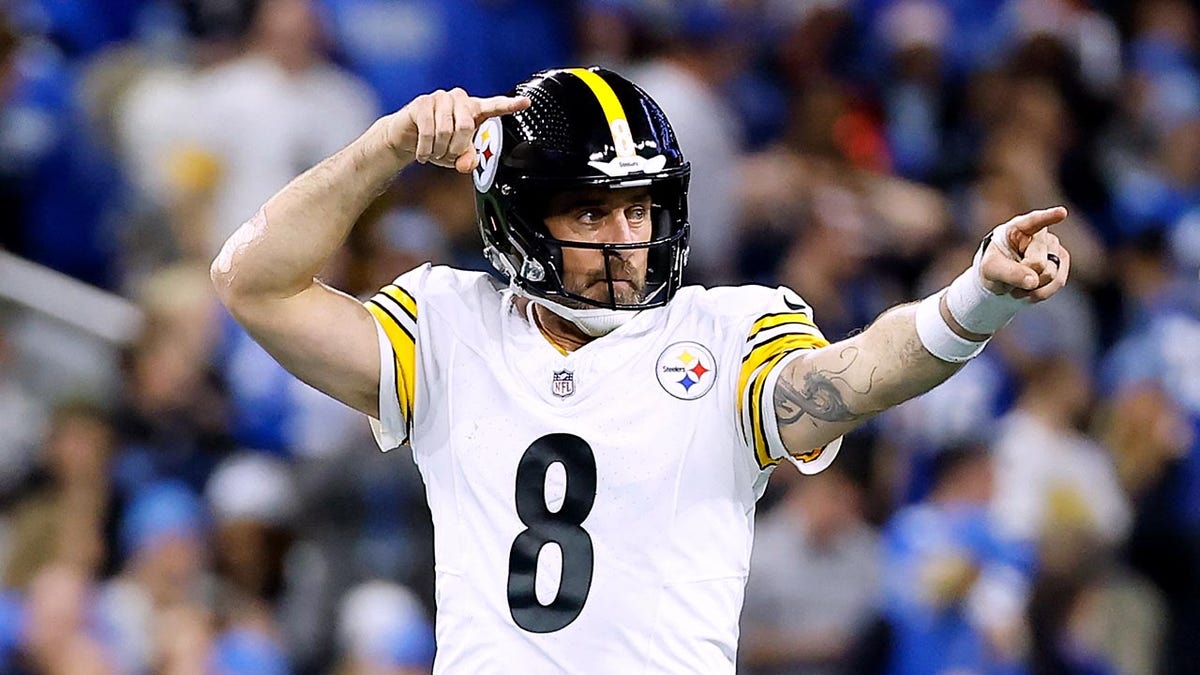
Fans have embraced the drama with equal parts admiration and skepticism. Social media is filled with clips of Rodgers’s best throws in Black and Gold, accompanied by captions declaring him the savior of Pittsburgh. Yet just as many posts dissect his limitations, pointing to missed opportunities or questioning whether his success can be sustained against elite defenses. The duality of the discourse reflects the larger truth about sports: greatness is rarely accepted without resistance. Every legend must first overcome doubt, and Rodgers’s doubters are louder than most.
Inside the locker room, however, the sentiment is clearer. Teammates have praised his leadership, his humility, and his ability to command respect despite the ups and downs of his career. “He doesn’t act like a washed-up veteran,” one player said. “He acts like a quarterback who belongs here.” That kind of endorsement carries weight, especially in a league where locker-room dynamics often dictate success as much as talent. Rodgers’s ability to earn trust has been as important as his ability to throw a perfect strike.
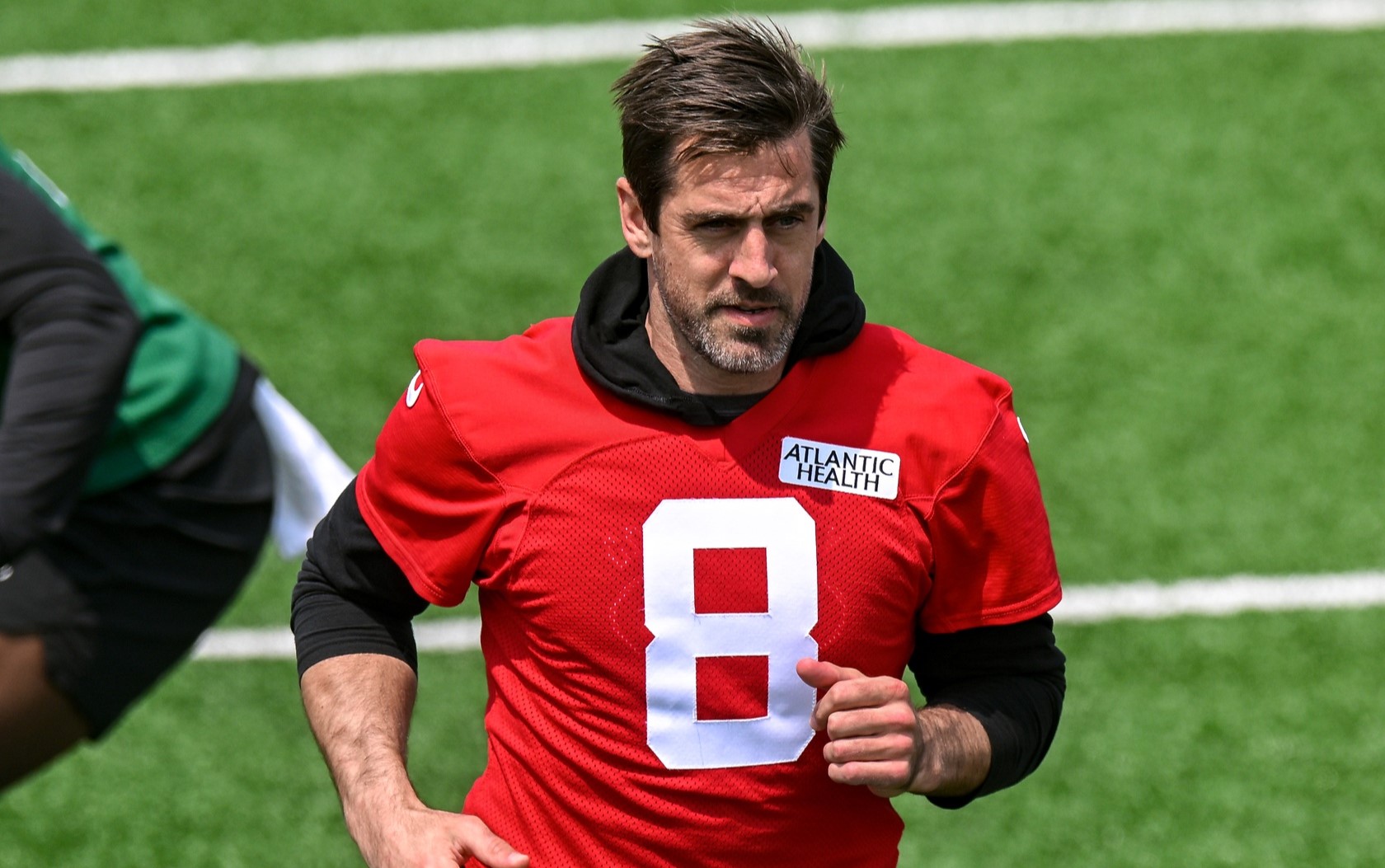
The media frenzy surrounding Rodgers has also highlighted the way narratives shape careers. Every press conference, every soundbite, every pause is dissected for meaning. When Rodgers speaks about gratitude or perspective, it is framed as evidence of his maturity. When he deflects praise to his teammates, it is seen as humility. Yet beneath the surface lies the question that cannot be ignored: is he truly the engine of the Steelers’ success, or just a passenger on a well-built machine?
As the season looms, the stakes crystallize. Rodgers does not have the luxury of time or patience. His legacy is being written in real time, and the outcome will determine how he is remembered. “The truth always shows up when it matters most,” a coach once said, and for Rodgers, that truth will be revealed on the biggest stage. If he hoists the Lombardi Trophy in Black and Gold, the debate ends. If he falters, the questions will linger, perhaps forever.
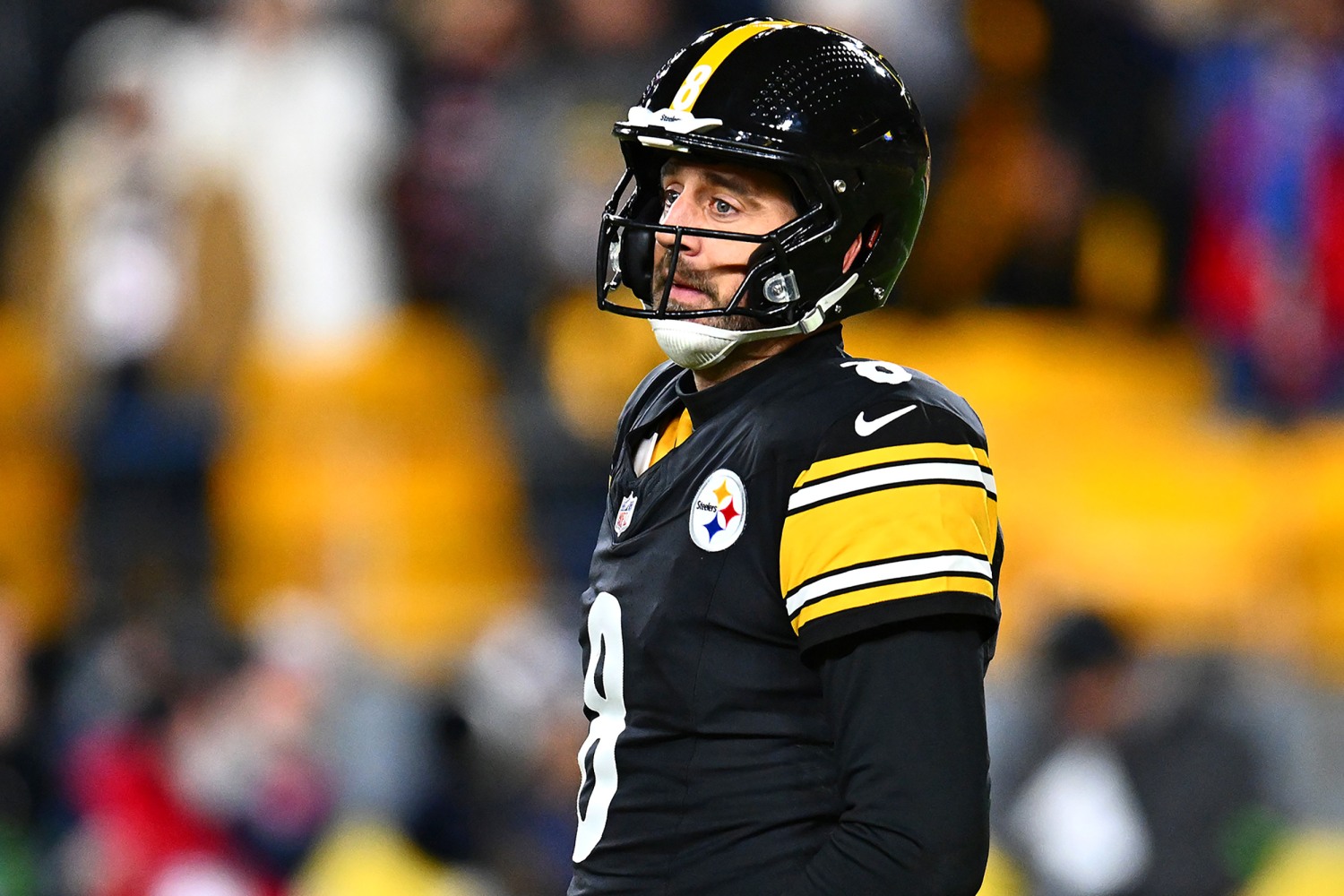
What makes the Rodgers debate so captivating is that it is not just about one player. It is about the nature of success in the NFL, the balance between individual talent and collective strength, and the way stories are constructed and contested. Rodgers embodies the tension between belief and doubt, between narrative and reality. He is both a symbol of possibility and a test case for skepticism. That duality ensures that his journey will remain one of the defining storylines of this era.
For now, the football world waits, caught between admiration and uncertainty. Rodgers has already defied expectations by reaching this point, but the ultimate measure of greatness in the NFL is a ring. Until that moment arrives, the debate will rage on, fueled by every throw, every win, and every pause. “Sometimes the most powerful statement is not what you say, but what you prove,” a veteran reporter remarked. Aaron Rodgers’s final chapter will decide whether he is remembered as a farewell story fulfilled or a quarterback defined by circumstance.