Jared Goff’s journey in Detroit has always been framed by doubt, expectation, and the constant weight of proving himself. When he first arrived as part of the blockbuster trade that sent Matthew Stafford to Los Angeles, many saw him as a temporary solution, a quarterback meant to bridge the gap until the Lions found their true future leader. Yet over the past seasons, Goff has steadily reshaped that narrative, guiding Detroit through a resurgence that has reignited belief in a franchise long accustomed to heartbreak. Now, with his massive contract extension finalized after tense summer negotiations, the stakes have never been higher. Every snap he takes this season will be measured against the value of that deal, every throw dissected as evidence of whether he is truly the quarterback to carry Detroit into its next era.

The drama surrounding his contract was not just about numbers; it was about identity. For the Lions, committing to Goff was a statement that they believe in his leadership, his poise, and his ability to deliver when the pressure is greatest. For Goff, it was a chance to silence critics who have long questioned whether he belongs among the league’s elite. “I’ve heard the doubts,” he admitted during negotiations. “But I’ve also heard the belief from my teammates and coaches. That’s what matters most.” Those words reflect the duality of his situation—caught between external skepticism and internal confidence, between the weight of expectation and the drive to prove himself.
The tension of the summer negotiations underscored just how pivotal this moment is. Fans watched anxiously as reports surfaced of disagreements over terms, wondering if the franchise would risk losing its quarterback just as momentum was building. When the deal was finally announced, relief swept through Detroit, but it was quickly replaced by anticipation. The contract was not the end of the story; it was the beginning of a new chapter. With financial commitment comes responsibility, and with responsibility comes scrutiny. “The talking is done,” one analyst remarked. “Now the gridiron has to speak.”
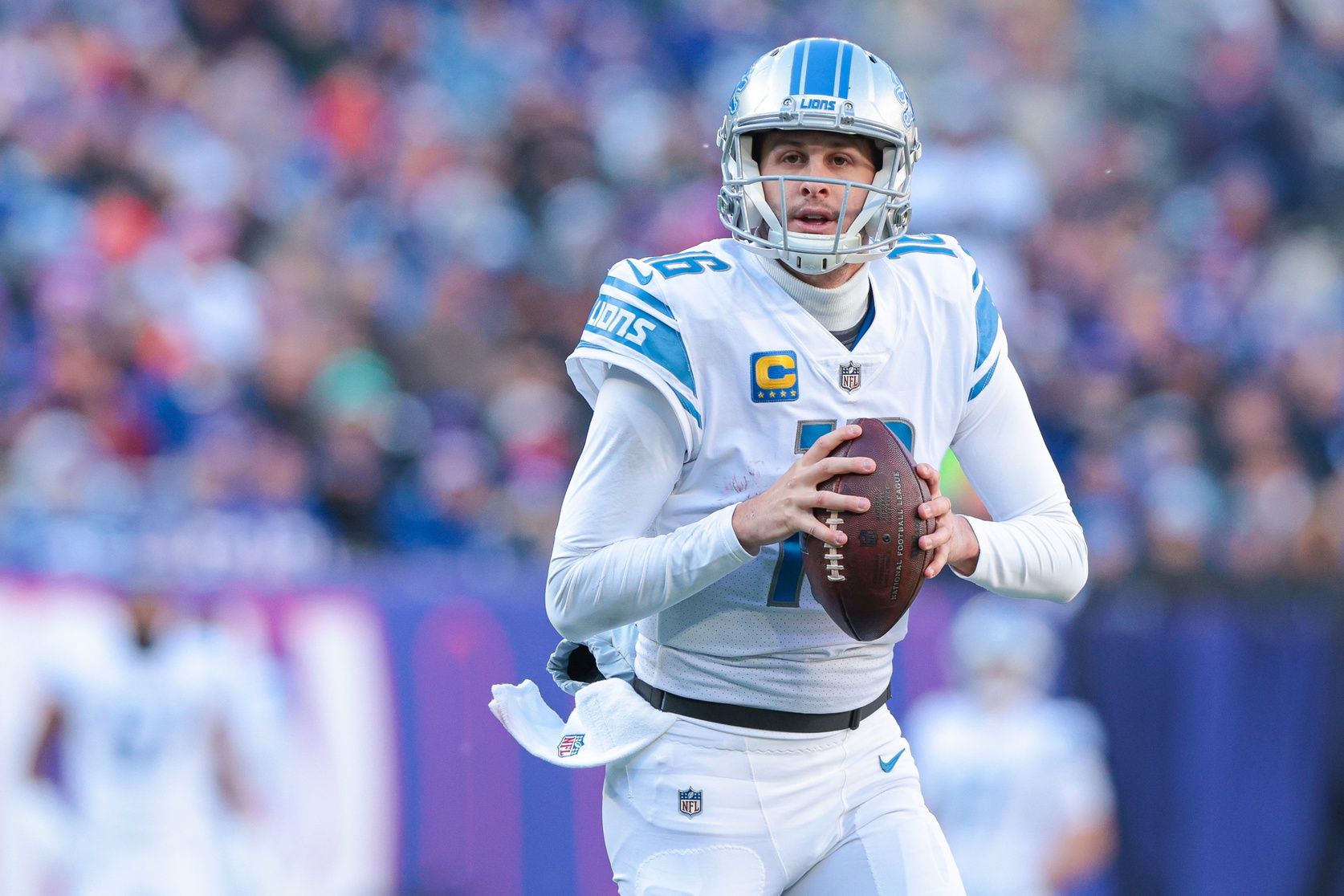
For Detroit supporters, the emotional stakes are immense. This is a city that has endured decades of disappointment, clinging to its team as a symbol of resilience. Goff’s extension represents more than a business decision—it represents hope. Fans see in him a quarterback who has embraced their city, who has fought through adversity, and who now carries the weight of their expectations. “He’s one of us now,” a fan said. “He’s been doubted, underestimated, and he’s still here fighting. That’s Detroit.” That bond between player and city is powerful, and it amplifies the pressure he faces.
The broader NFL community is watching closely as well. Goff’s contract places him among the highest‑paid quarterbacks in the league, and with that status comes relentless evaluation. Every performance will be compared to his peers, every misstep magnified. Yet his journey also challenges the narrative that careers are defined by early setbacks. Once dismissed as a system quarterback in Los Angeles, Goff has rebuilt his reputation in Detroit, proving that resilience and growth can rewrite legacies. “He’s earned this,” one former player commented. “Now he has to show he can sustain it.”

What makes this season so compelling is the convergence of personal and franchise crossroads. For Goff, it is about proving that he is worth every penny of his extension, that he can lead Detroit not just to respectability but to contention. For the Lions, it is about validating their decision, showing that their faith in him was not misplaced. The stakes are not abstract—they are tangible, measured in wins, playoff appearances, and ultimately, the pursuit of a championship. Every drive will carry the weight of that promise, every victory the validation of belief, every loss the fuel for renewed doubt.
The cultural resonance of this moment extends beyond football. Detroit is a city that has fought for renewal, that has endured hardship yet continues to rise. Goff’s journey mirrors that struggle, embodying the same resilience and determination that define the city. His contract is not just about money—it is about identity, about affirming that Detroit is ready to demand more, to expect more, to believe in more. “We’re not here to hope anymore,” coach Dan Campbell once said. “We’re here to expect.” Goff’s extension is the embodiment of that philosophy, a declaration that the Lions are no longer content to be underdogs.
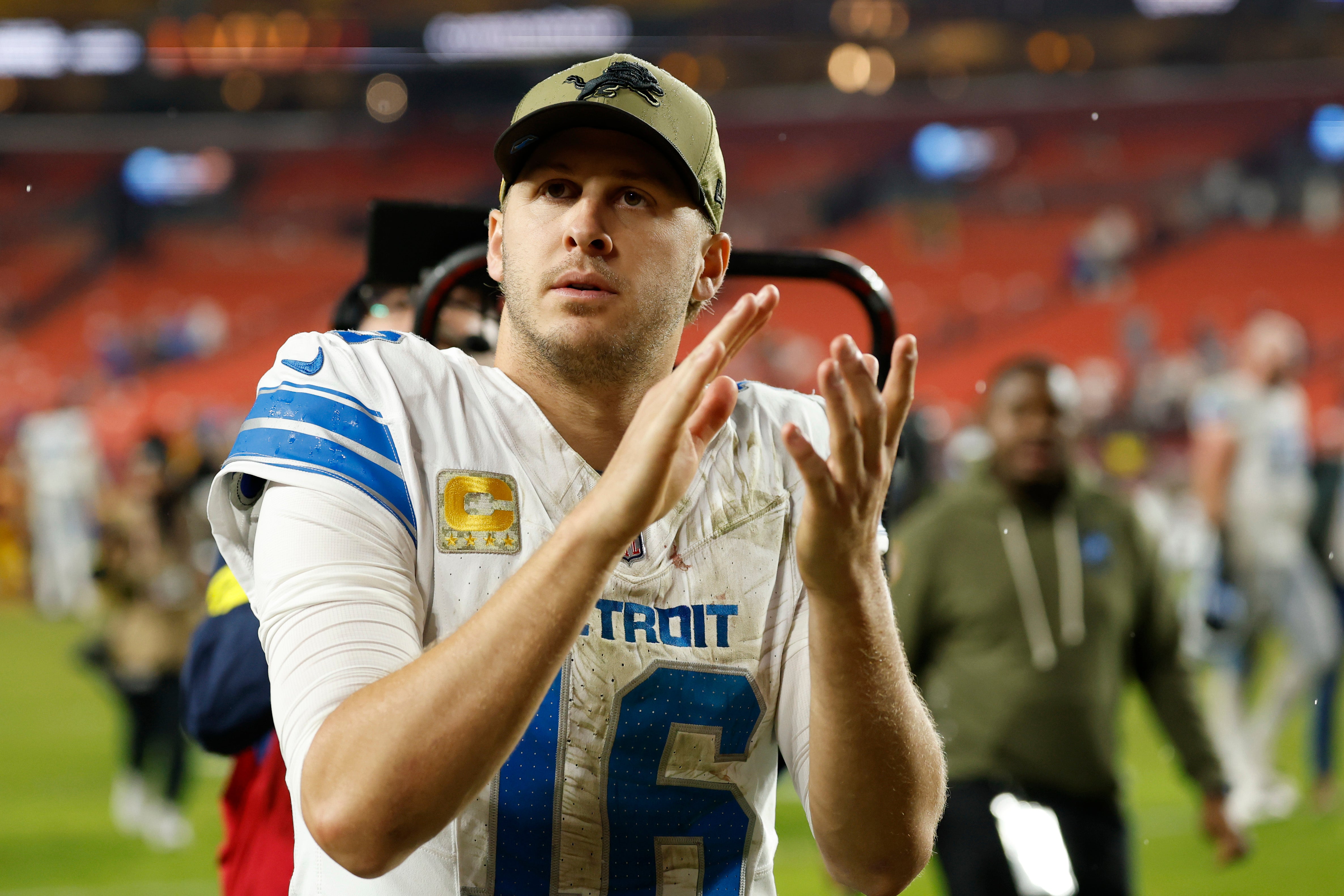
And perhaps that is why this season feels so vital. It is not simply about statistics or contracts; it is about affirming a franchise’s identity. Jared Goff has been handed the keys to Detroit’s future, and his performance will determine whether the Lions’ resurgence becomes a lasting movement or fades into another fleeting moment. His presence has already transformed doubt into belief, speculation into certainty, and hope into expectation. For Detroit, the contract is more than a financial agreement—it is a declaration of resilience, a reminder that the Lions are not just playing for wins but for the soul of a city. Quarterback and community now stand together at a defining crossroads, prepared to prove that their future is not only possible but inevitable.
What makes this moment so gripping is the sense that Detroit is writing a new chapter in real time, with every drive and every throw carrying the weight of history. Goff’s extension is not just a bet on his talent—it is a bet on the city’s spirit, on the belief that perseverance can finally yield glory. “We’re building something that lasts,” Goff said recently, and those words echo through Ford Field like a promise. The Lions are no longer chasing relevance; they are chasing destiny. And as the season unfolds, the question is no longer whether Detroit belongs on the NFL’s biggest stage—it is how far they will go now that belief has become their foundation.