Dodgers Owner’s White House Visit Under Donald Trump Ignites Debate Over Sports and Politics

LOS ANGELES — In an era when every public appearance can carry political meaning, a planned White House visit by the owner of the Los Angeles Dodgers has ignited an unexpected national conversation.
The Dodgers’ ownership group recently confirmed plans to attend an event at the White House hosted by President Donald Trump, a decision that has quickly divided fans across the country. While team officials insist the visit is intended to honor the organization’s achievements and maintain a longstanding tradition of engagement with the nation’s highest office, critics argue that the appearance could be interpreted as an implicit political statement.
Within hours of the announcement, social media platforms erupted with debate.
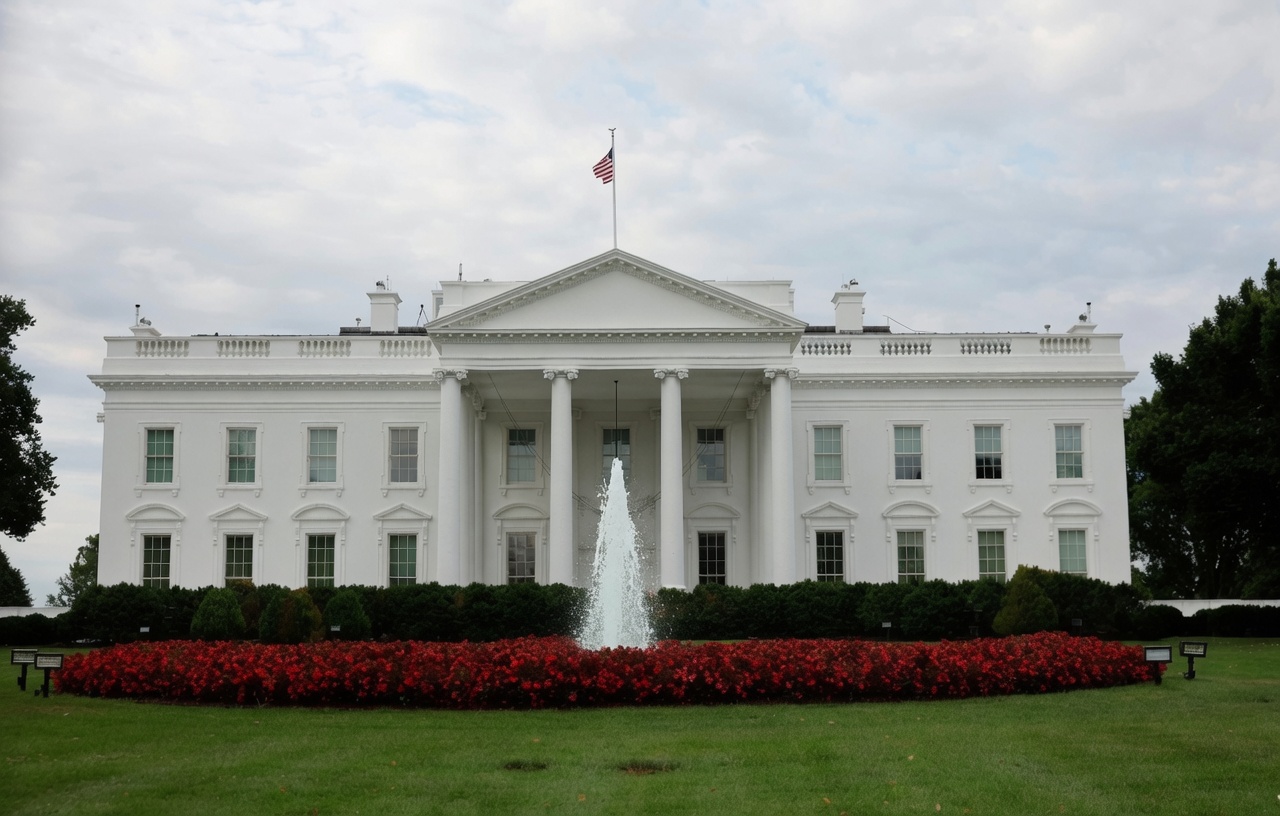
Some supporters praised the decision, saying sports franchises should remain above partisan politics and respect the office of the presidency regardless of who occupies it. Others questioned whether the appearance sends a message that aligns the organization with a specific political movement during one of the most polarized periods in modern American history.
For decades, championship teams and major sports organizations have visited the White House under presidents from both political parties. Yet in recent years, those visits have become increasingly controversial, often serving as flashpoints in America’s broader cultural and political divides.
The Dodgers, one of Major League Baseball’s most recognizable and influential franchises, are no strangers to public scrutiny. The organization has cultivated a diverse and passionate fan base that extends far beyond Southern California, making any high-profile decision subject to intense examination.
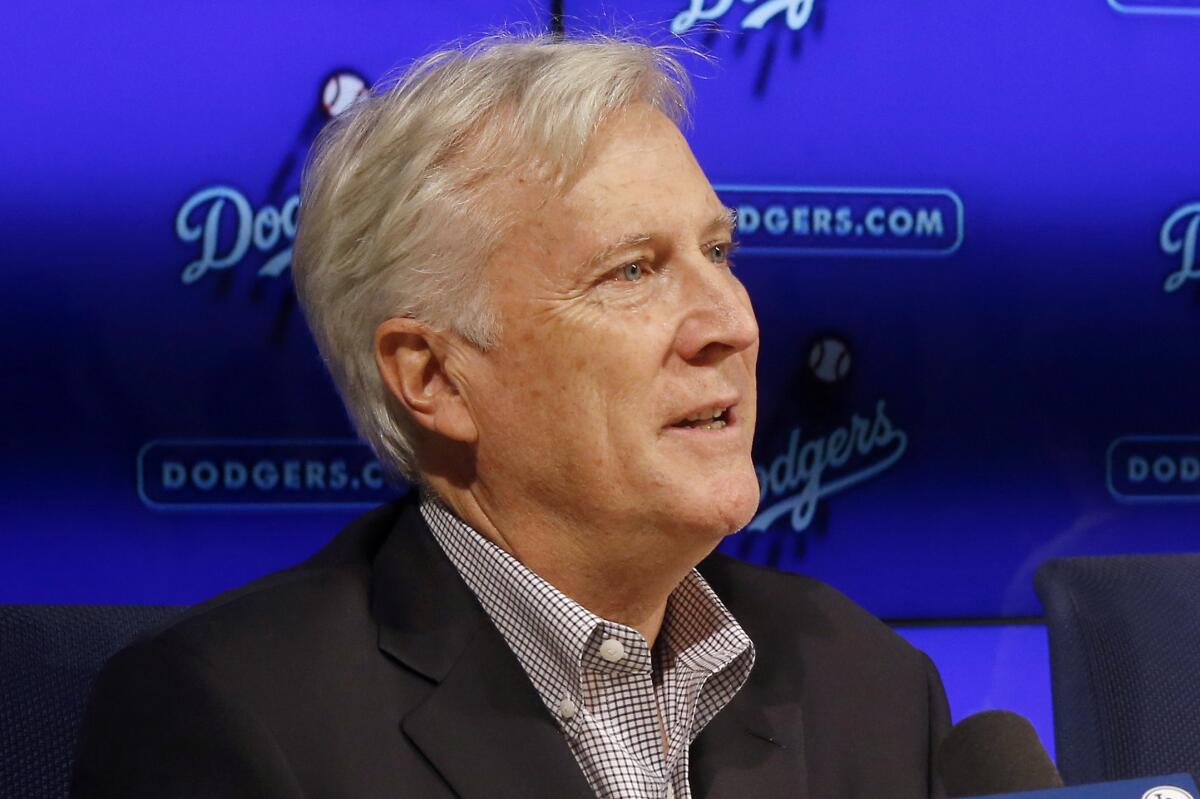

“This isn’t just about baseball anymore,” one fan wrote on social media. “Everything has become political, even showing up at the White House.”
Another supporter disagreed, posting that honoring a presidential invitation should never be viewed as an endorsement of a political agenda.
The conflicting reactions underscore the difficult position many professional sports organizations now face. Teams increasingly find themselves navigating issues that extend beyond wins and losses, including social justice movements, political polarization, and expectations from fans who often view their favorite franchises as reflections of broader cultural values.
Sports historians note that White House visits were once largely ceremonial affairs, attracting little public attention outside of the participating team and local media coverage. That reality has changed dramatically in the social media age, where every photograph, handshake, and public appearance can be dissected and interpreted through a political lens.
For the Dodgers, the timing of the visit has only intensified the discussion.
The franchise remains one of baseball’s premier brands, featuring international stars and maintaining a global following. Because of its prominence, even seemingly routine decisions can quickly become national stories.
Political analysts say the controversy surrounding the White House appearance reflects a larger trend in American society, where cultural institutions—including sports teams—are increasingly expected to take visible positions on social and political issues, whether they intend to or not.
As of now, neither the Dodgers’ ownership group nor Major League Baseball has indicated that the visit represents any political endorsement. Officials close to the organization have emphasized that the event is intended to celebrate the team’s accomplishments and uphold traditions that have existed across multiple presidential administrations.
Still, for many fans, perception often matters as much as intention.
The debate surrounding the Dodgers’ White House appearance serves as another reminder that sports and politics have become deeply intertwined in the United States. A simple visit that might once have generated little more than a photo opportunity has instead become a national conversation about symbolism, loyalty, and the increasingly blurred line between civic tradition and political messaging.
Whether the controversy fades or continues to grow, one thing is certain: the Dodgers’ trip to Washington has become much more than a ceremonial stop at the White House. It has become a reflection of a country where even America’s favorite pastime can no longer escape the nation’s political divisions.