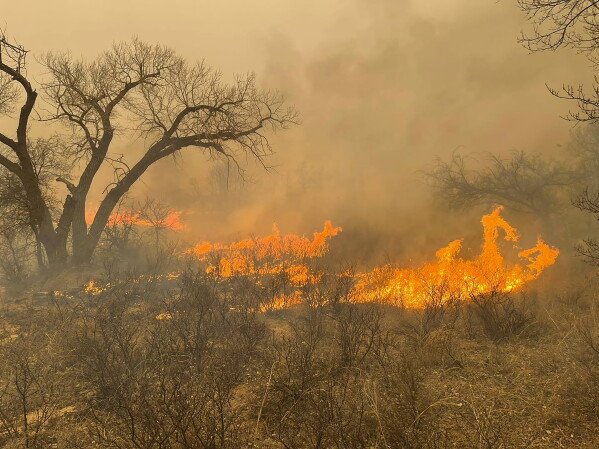
Level 3 “GO NOW” orders issued as residents flee through smoke-filled highways and emergency crews battle an increasingly dangerous wildfire
The sky over Eastern Washington did not simply darken as night approached.
It transformed.
What began as a localized wildfire has rapidly escalated into a major emergency, forcing families from their homes, triggering urgent evacuation orders, and placing entire communities on edge as firefighters struggle to contain a blaze that appears to be growing by the hour.
The Garred Road Fire has become the center of a developing crisis across Grant County, where authorities have issued Level 3 evacuation notices—the most serious warning available—for residents in multiple high-risk areas.
For thousands of people living near Coulee City, Soap Lake, and surrounding rural districts, this is no longer about preparation.
It is about escape.
And time may be running short.
“GO NOW”: The Most Serious Evacuation Order Possible
Emergency management officials use a three-tier evacuation system.
Level 1 means residents should be ready.
Level 2 means residents should prepare to leave.
Level 3 carries a much different message.
Leave immediately.
Officials emphasize that a Level 3 order means conditions are dangerous enough that emergency responders may not be able to protect residents who choose to remain behind.
That reality became painfully clear as alerts began appearing across mobile devices throughout Eastern Washington.
Sirens sounded.
Families scrambled to gather medications, important documents, pets, and emergency supplies.
Traffic quickly increased as residents headed toward designated shelter locations.
For many, the speed of the situation was shocking.
Hours earlier, life felt normal.
By nightfall, entire neighborhoods were preparing for the possibility of losing everything.
A Fire Growing Faster Than Expected
Wildfires are not unusual in Washington during the summer months.
But emergency personnel say this fire has displayed particularly aggressive behavior.
Fueled by dry vegetation and shifting winds, the Garred Road Fire has reportedly advanced across large sections of vulnerable terrain, creating conditions that make containment efforts significantly more difficult.
Fire behavior experts often describe these situations as unpredictable.
Wind can push flames in unexpected directions.
Hot embers can travel miles ahead of the main fire line.
New spot fires can ignite without warning.
And once that cycle begins, the situation can deteriorate rapidly.
“This is not a fire you can outmaneuver easily,” one emergency response official reportedly explained while discussing the ongoing operation.
That warning has only intensified concern among residents watching conditions evolve in real time.
Smoke, Road Closures, and Growing Tension
The fire itself is only one part of the challenge.
Transportation has become another major concern.
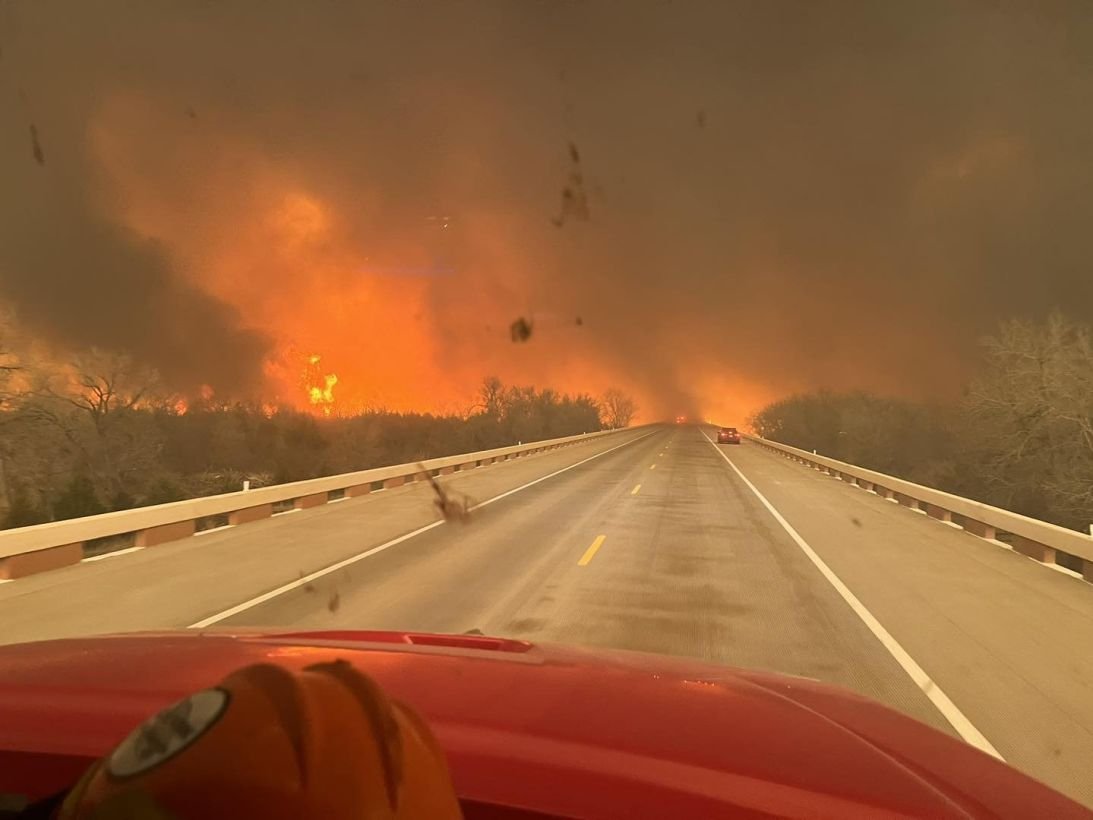
Heavy smoke has reduced visibility in several areas, complicating evacuation efforts and creating difficult driving conditions.
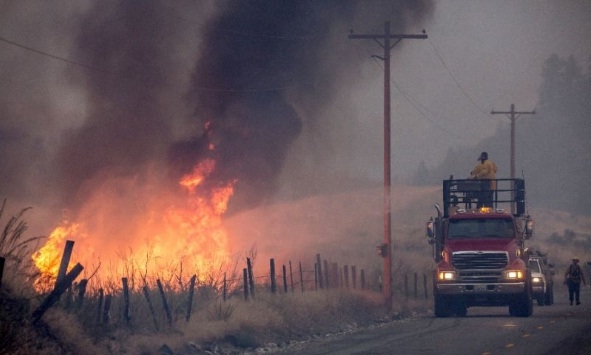
Emergency vehicles, utility crews, law enforcement units, and firefighting resources have flooded the region.
Meanwhile, portions of major transportation corridors have experienced restrictions and closures as authorities attempt to maintain safe evacuation routes.
For residents trying to leave quickly, every minute matters.
Some families have reportedly packed entire vehicles within minutes of receiving alerts.
Others have faced heartbreaking decisions regarding what possessions to leave behind.
The emotional toll has been immediate.
Communities Facing an Uncertain Night
Perhaps the most dramatic aspect of this story is the uncertainty.
Wildfires create a unique kind of fear.
Unlike storms, their direction can change rapidly.
Unlike floods, their speed can accelerate unexpectedly.
And unlike many emergencies, the outcome often remains unclear for long periods of time.
Residents throughout affected areas are now facing difficult questions.
Will their homes still be standing tomorrow?
Will evacuation orders expand?
Can firefighters slow the fire’s progress before weather conditions worsen?
Those questions remain unanswered.
And that uncertainty is fueling anxiety throughout the region.
Emergency Shelters Become Lifelines
As evacuation zones expanded, emergency shelters became critical gathering points for displaced residents.
Families arrived carrying backpacks, pet carriers, blankets, and essential supplies.
Volunteers worked quickly to provide assistance.
Community organizations coordinated food, water, and temporary accommodations.
Moments like these often reveal the best side of communities.
Neighbors help neighbors.
Strangers become support systems.
Local businesses contribute resources.
Even amid crisis, stories of compassion emerge.
But nobody is ignoring the reality of the danger.
The focus remains on safety.
Why Officials Are Urging Immediate Action

Emergency managers continue stressing a message that cannot be repeated enough:
Do not wait.
Historically, one of the greatest dangers during fast-moving wildfires occurs when residents delay evacuation.
Many hope conditions will improve.
Others believe they have more time.
Unfortunately, changing winds and rapidly advancing flames can erase those assumptions within minutes.
Fire officials consistently encourage residents to leave early rather than risk becoming trapped later.
In situations involving Level 3 evacuations, hesitation can become dangerous.
The Hours Ahead Could Be Critical
Weather conditions will likely play a major role in determining what happens next.
Firefighters continue working aggressively to establish containment lines and protect threatened communities.
Aircraft, ground crews, and emergency responders remain engaged throughout the affected region.
Yet wildfire experts acknowledge that nature often determines the pace of these battles.
If winds strengthen, conditions could become more challenging.
If weather patterns shift favorably, firefighters may gain opportunities to slow the fire’s advance.
For now, uncertainty remains the defining characteristic of the situation.
A Community Holding Its Breath
Tonight, much of Eastern Washington is watching and waiting.
Families are checking updates.
Emergency crews are working through the darkness.
Communities are hoping for good news.
But hope alone will not stop a wildfire.
Action, preparation, and vigilance remain essential.
For residents under evacuation orders, officials continue delivering the same urgent message:
Leave now. Stay informed. Stay safe.
Because for thousands across Washington tonight, the battle against the Garred Road Fire is no longer a headline.
It is reality.