Jérémy Doku, the World Cup, and the Firestorm Over a Father’s Choice
The football world has found itself in the middle of an unexpected cultural storm—one that has nothing to do with tactics, formations, or trophies, and everything to do with a deeply personal human moment.
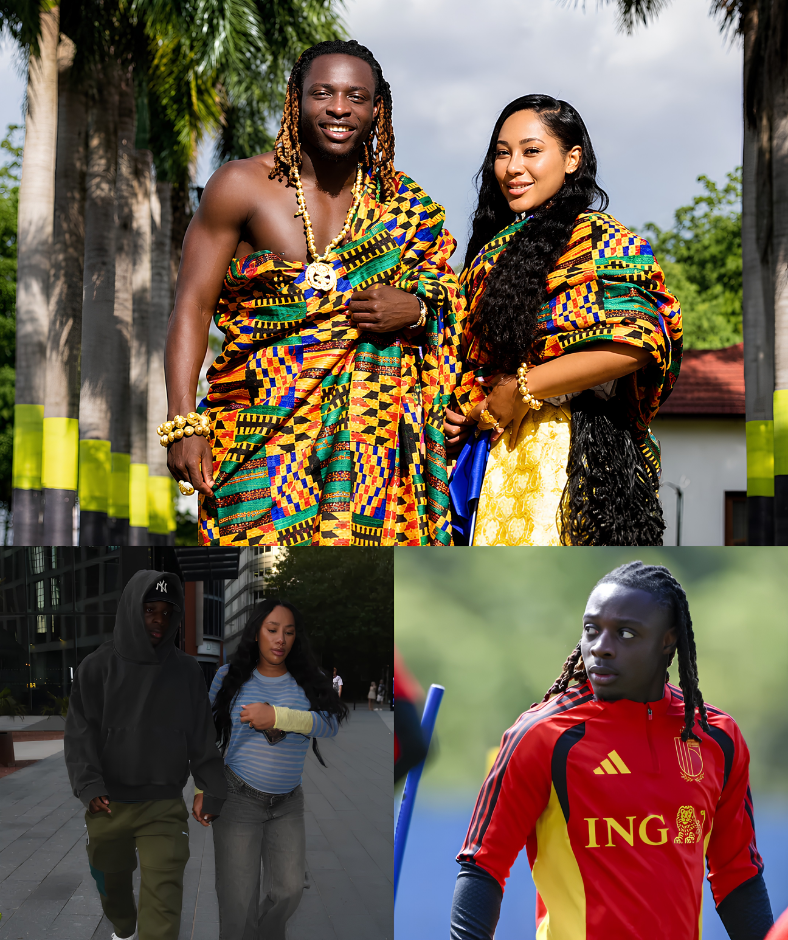
At the center is Belgian winger Jérémy Doku, a key attacking figure for Manchester City and one of Europe’s most explosive young talents. Doku is expected to feature for Belgium at a major international tournament this summer. But reports suggest he may temporarily leave the squad during the competition to be present for the birth of his first child.

His wife, Shireen, is reportedly due in the second week of July—timing that could overlap with the decisive knockout stages of the World Cup.

For Doku, the decision is not framed as controversy, but as instinct.
“It’s my first child, so I would definitely want to be there,” Doku said.
“But I also know that football involves many other considerations. I know the federation supports its players and understands their situations. We’ll see what we can do.”
Those lines—simple, calm, almost understated—have become the emotional anchor of a debate that has spiraled far beyond football.
![Jeremy Doku proposes to his girlfriend in Dubai after Ghana visit [Video] | Pulse Ghana](https://sportal365images.com/process/smp-images-production/pulse.com.gh/08082025/3fc38bd2-5222-4d4e-92ab-b9b69d08b3a4.png?operations=autocrop(700:467))
Because elsewhere, the reaction has been anything but calm.
A French television segment featuring presenter France Pierron sparked immediate outrage after she sharply criticized the idea of a player leaving a World Cup camp for childbirth. In comments that quickly went viral, she described the decision as a “disgusting moment” and suggested that “a father is useless” in that situation.
“You are not going to cut an umbilical cord; you can’t miss a World Cup,” she said during the broadcast.
“He is going to waste 10 hours, he will be exhausted and have an emotional meltdown. Your baby will always be there.”
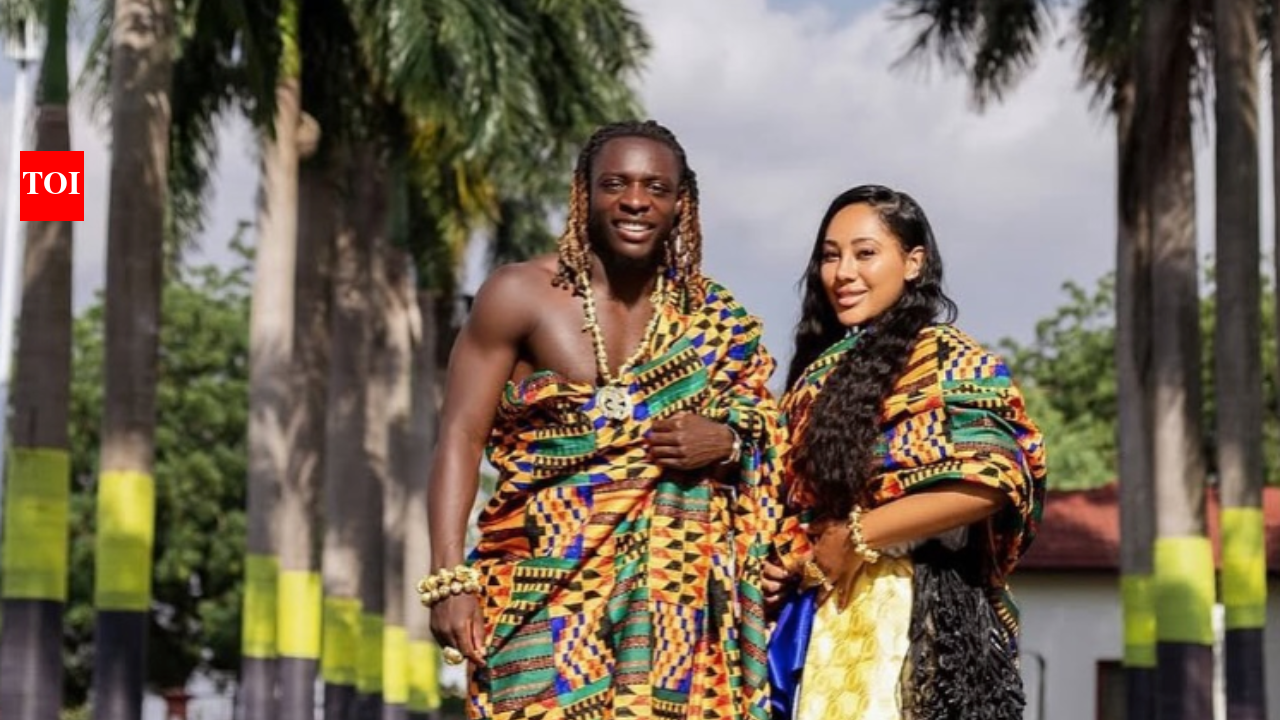
The remarks detonated across social media within hours.
Clips circulated widely, with fans, pundits, and former players condemning the tone as outdated and inhumane. Many argued that the statement reduced fatherhood to irrelevance at the very moment it begins.
Others, however, defended the underlying football logic: that a World Cup knockout stage is a once-in-a-career opportunity, and that elite sport often demands sacrifices that most professions never require.
The controversy has since evolved into something larger than Doku himself. It has become a referendum on what modern football expects from its players—and what it refuses to allow them to be outside the pitch.
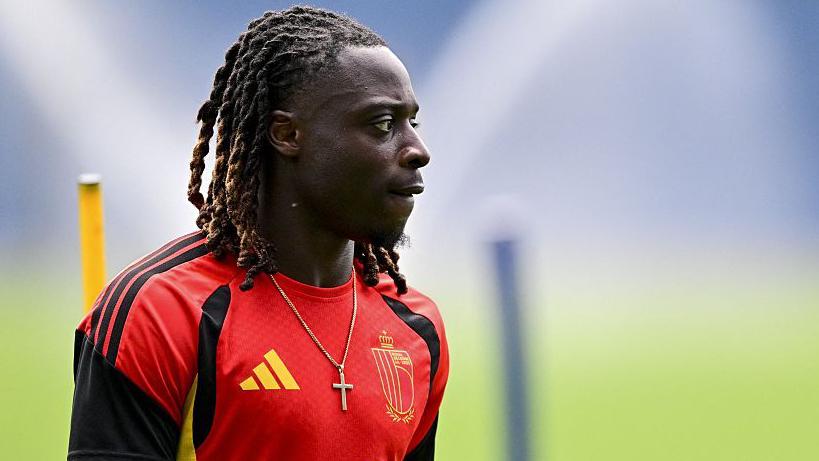
Within Belgium’s camp, the situation is being handled quietly. Sources suggest the national federation is open to flexible arrangements, consistent with a broader shift in elite football toward player welfare and family considerations.
But the timing remains unforgiving. A knockout-stage match at a World Cup is not easily replaced, and Doku’s role in Belgium’s system is far from marginal. His pace, directness, and ability to break defensive lines make him one of the team’s most unpredictable weapons.
Losing him, even briefly, would carry tactical consequences. Keeping him, however, may carry personal ones.

That tension is exactly what has fueled the backlash against Pierron’s comments. Following widespread criticism, she later issued a clarification:
“I was expressing a personal opinion, within the context of a contentious exchange.
These remarks commit only me and in no way reflect a collective position.
I understand that they may have shocked, hurt, or wounded some of you, and I am sorry for that.”
But by then, the damage—and the debate—had already gone global.
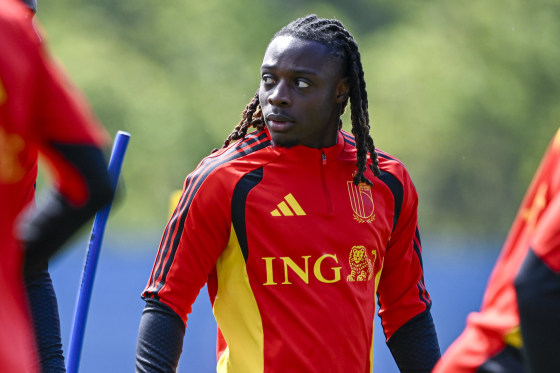
On social media, the tone has been overwhelmingly supportive of Doku. Many fans have argued that no sporting achievement can outweigh the moment of becoming a parent for the first time.
“Football will always be there. That moment won’t,” one widely shared comment read.
Yet the opposing view persists, rooted in the cold arithmetic of elite competition: opportunities at the highest level are rare, and national team windows even rarer.
What makes this story resonate so widely is not just the identity of the player involved, but the universality of the question. At some point, every profession collides with family life. Few do so under the spotlight of a global tournament watched by hundreds of millions.
For Doku, the answer seems already decided in principle, if not yet in logistics. For football, the conversation is still unfolding—loudly, publicly, and with no easy conclusion.
And that may be the real story: not whether he leaves or stays, but whether the sport is finally ready to accept that its players are more than their next match.