“THOSE WHO CRITICIZE HIM KNOW ABSOLUTELY NOTHING ABOUT FOOTBALL…” – YAMAL DEFENDS RODRI AS SPAIN’S MIDFIELD HEART ANSWERS IN SILENCE
In the end, it was never just about a 4–0 scoreline.
Spain’s dominant victory over Saudi Arabia in their second Group H match should have been remembered as another routine demonstration of control, precision, and attacking depth.
Goals flowed, possession was suffocating, and the gulf in quality was undeniable. Yet beneath the surface of another comfortable international win, a more delicate storyline had been brewing—one that revolved around Rodri, scrutiny, and the unforgiving rhythm of modern football discourse.

For a player who has built his reputation on consistency and control, Rodri found himself, briefly, in unfamiliar territory. A quiet outing in Spain’s opening match had been enough for sections of media and online commentary to raise questions. Not long-term doubts, but the kind of short-term noise that follows even the most established midfielders when performance dips below their own high standards.
In modern football, reputation is never fully protected. It is constantly being re-argued.
But inside Spain’s camp, there was no panic. No revision of hierarchy. No erosion of trust.
And against Saudi Arabia, that belief was visible from the first whistle.
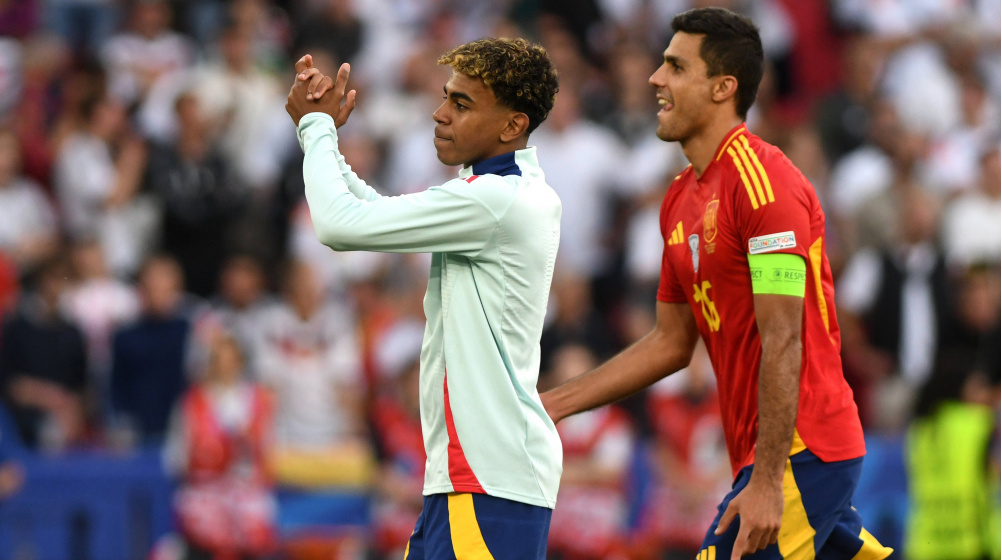
Rodri returned to the center of Spain’s structure, operating as the single pivot—the player tasked with connecting defense to attack, absorbing pressure before it formed, and dictating the rhythm of every phase of play. He did not dominate the headlines. He rarely does. Instead, he dominated the invisible spaces: angles, distances, passing lanes, and timing.
Spain looked balanced again.
Full-backs pushed high with confidence. Midfield rotations became smoother. Attacks arrived with structure rather than chaos. Saudi Arabia spent long periods chasing the ball, unable to disrupt Spain’s rhythm for sustained stretches.
It was not a performance built on spectacle.
It was built on control.
And control is Rodri’s language.
By the final whistle, Spain had secured a convincing 4–0 win, but the most discussed moment came not from a goal, but from a post-match exchange that revealed the emotional temperature inside the dressing room.
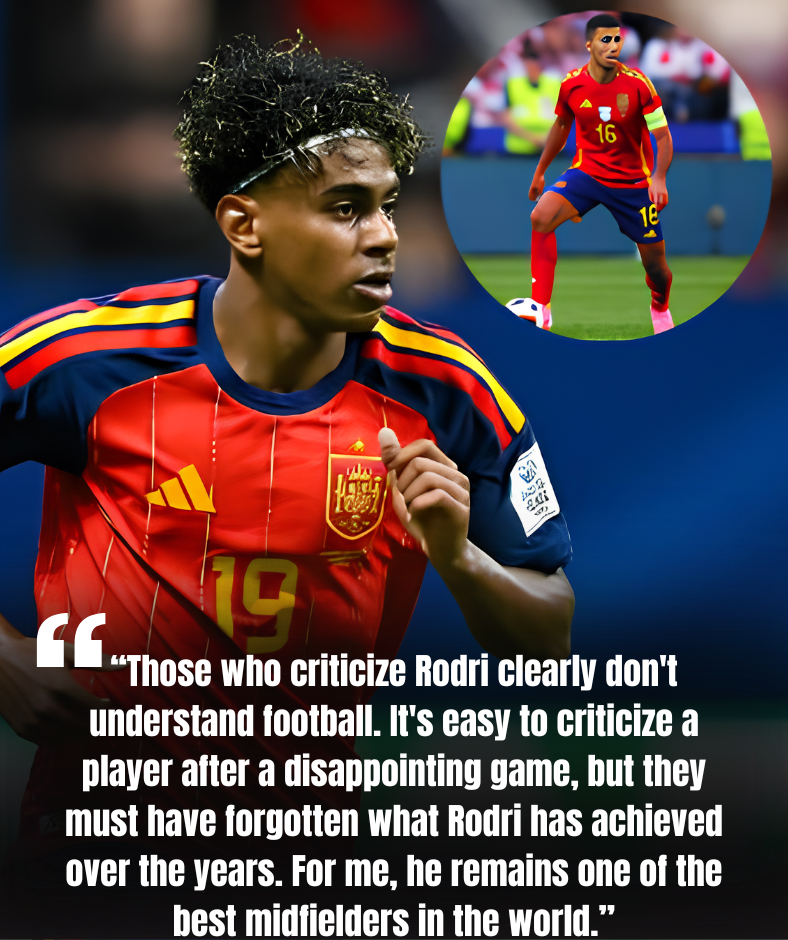
Teenage star Lamine Yamal, already one of the most closely watched young talents in world football, was asked about Rodri’s recent criticism. His answer was immediate—and unusually sharp for a player of his age.
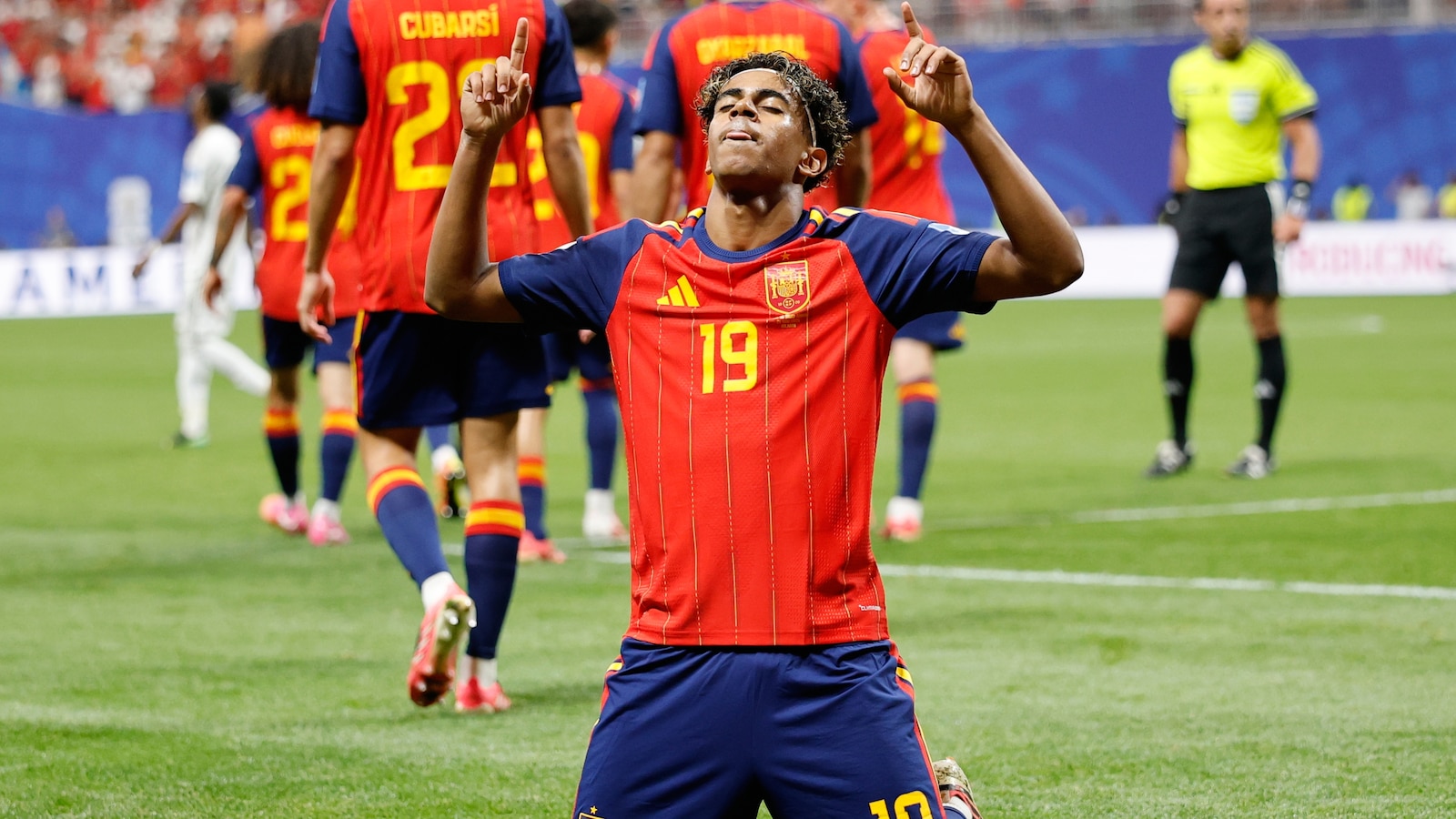
He did not hesitate. He did not soften his tone.
“Those who criticize Rodri know absolutely nothing about football.”
A pause.
Then he continued, expanding the point with a clarity that reflected both admiration and conviction.
“It is very easy to judge a player after one game that does not go well. But people forget what he has done for years—at the highest level, every week, every season.”
“For me, Rodri is still one of the best midfielders in the world. One match does not define a player. Football is not played in headlines—it is played over time.”

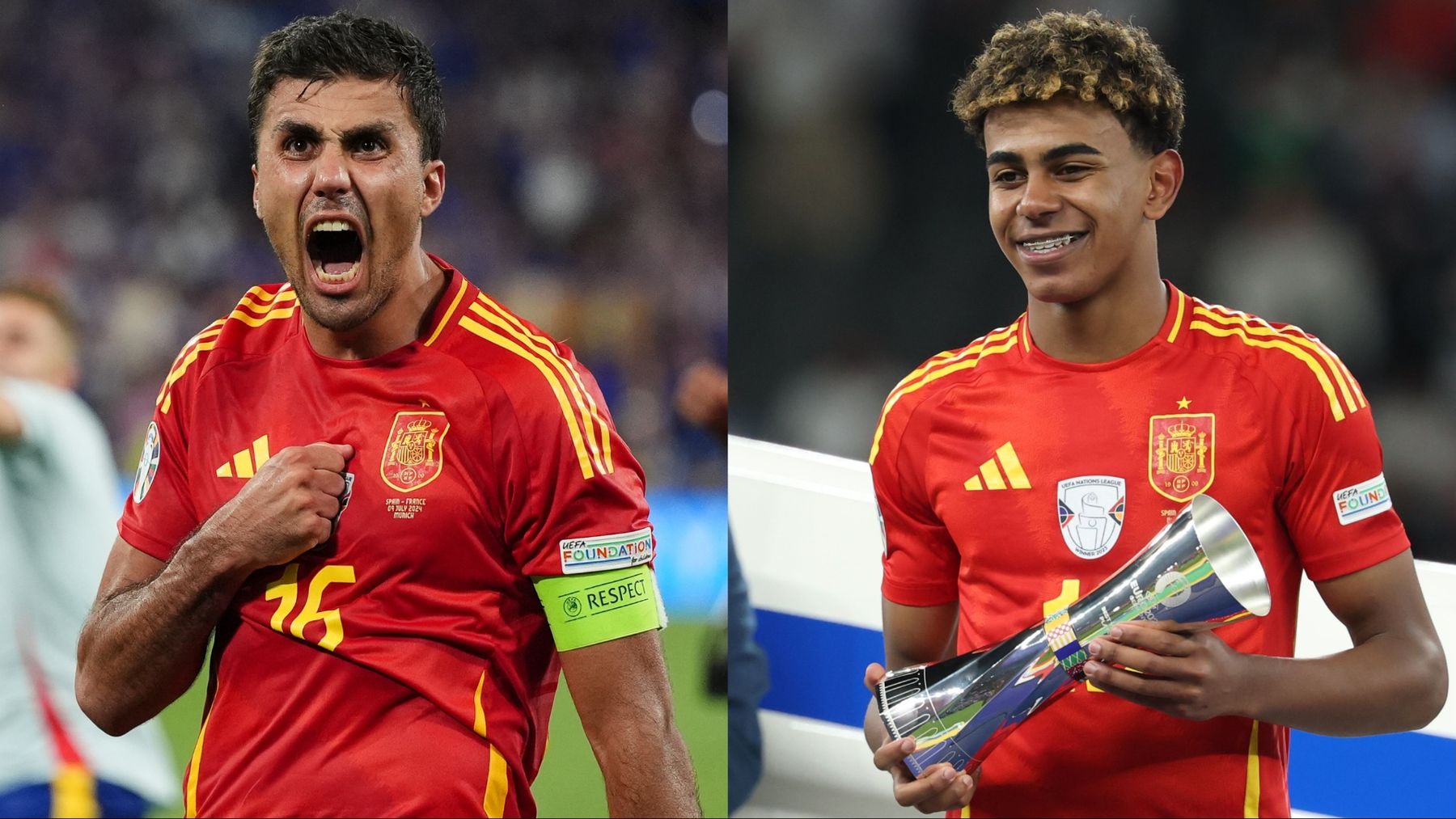
The message was simple, but its weight was significant. In a squad filled with established stars, it was a teenager—still early in his international journey—who stepped forward to defend one of Spain’s most important tactical anchors.
Inside the dressing room, that matters.
But Rodri’s response, when it came, carried a different tone entirely.
There was no confrontation. No emotional counter-attack. No attempt to correct the narrative through force.
Instead, there was calm—almost clinical acceptance of the noise around him.
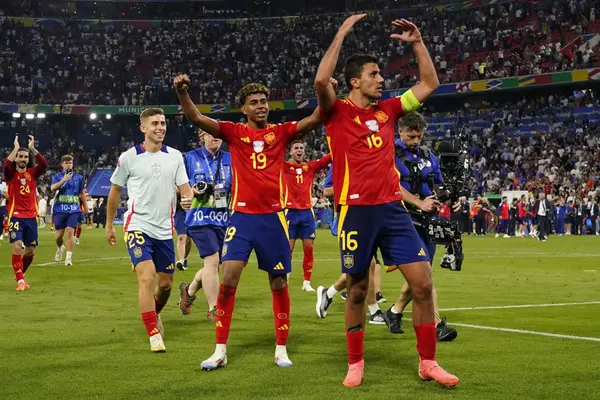
“I know people will talk. That is part of football, and I accept it completely.”
“I respect all opinions—positive, negative, everything in between.”
“But my focus does not change. I will keep working, keep improving, and keep giving everything for this team on the pitch. That is the only answer that matters to me.”
It was a statement that reflected exactly why Rodri has become such a trusted figure at both club and international level: emotional stability in an environment defined by emotional volatility.
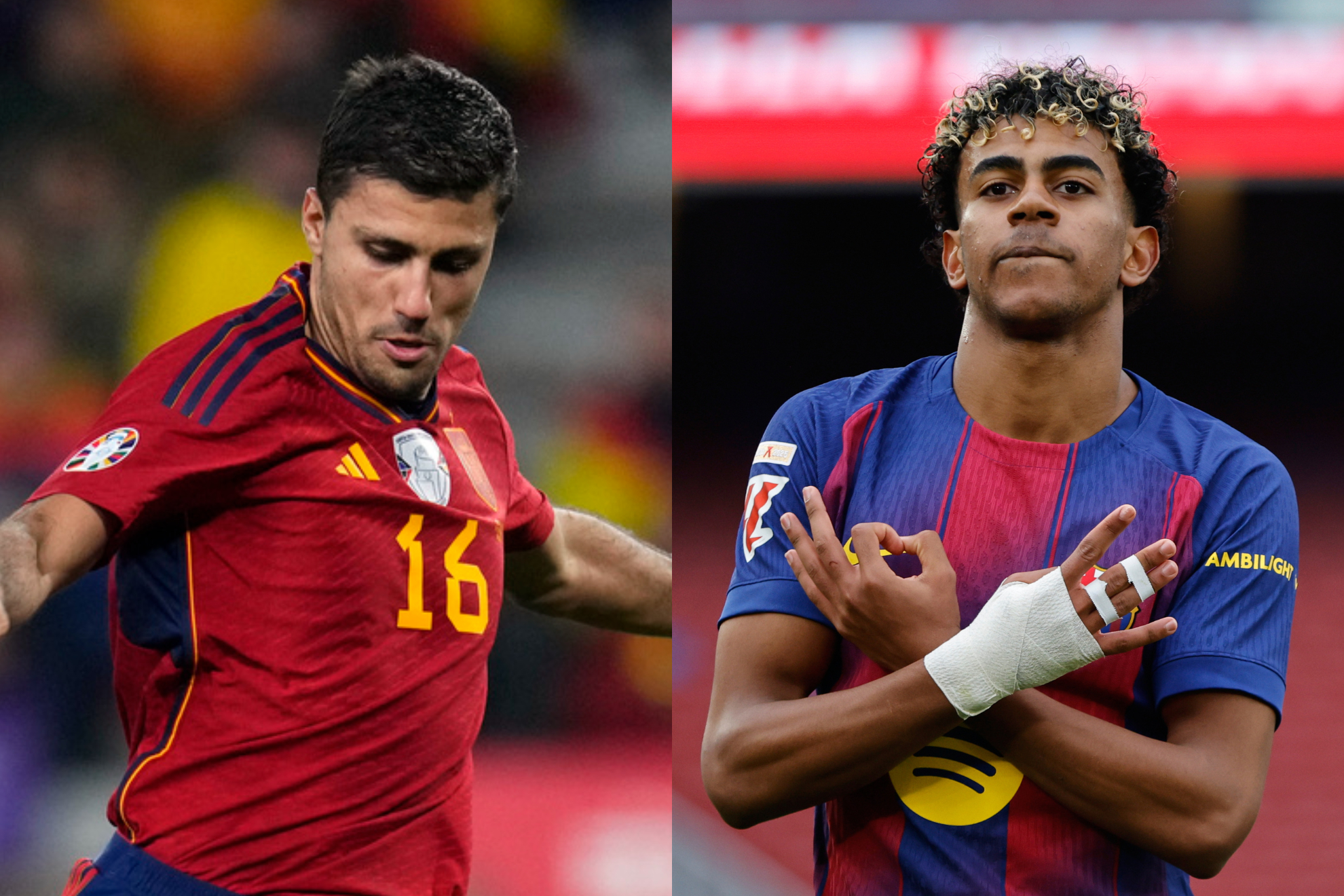
Where others react, he resets.
Where others debate, he plays.
And on the pitch against Saudi Arabia, that philosophy translated into control.
Even without goals or assists, Rodri’s influence was embedded in Spain’s structure. He positioned himself constantly as an outlet under pressure, ensured defensive transitions were stable, and allowed more expressive teammates to take risks higher up the field without fear of exposure.
Spain did not simply win the match.
They managed it.

That distinction is where Rodri lives as a player.
For Spain, this moment also revealed something broader than individual form. It highlighted a growing internal culture—one where younger players like Yamal are not only emerging as technical leaders, but also as vocal defenders of the team’s collective identity.
And at the center of that identity remains Rodri: not always the most visible player on the pitch, but often the most essential.
Because when the game speeds up, when criticism arrives, when narratives shift after a single performance, his football does not change.
It slows the game.
It stabilizes it.
It controls it.
And in modern football, that may be the rarest skill of all.