The Toronto Blue Jays expected Alejandro Kirk’s return to be one of the easiest decisions of the season.
Instead, it may have created one of the most difficult.
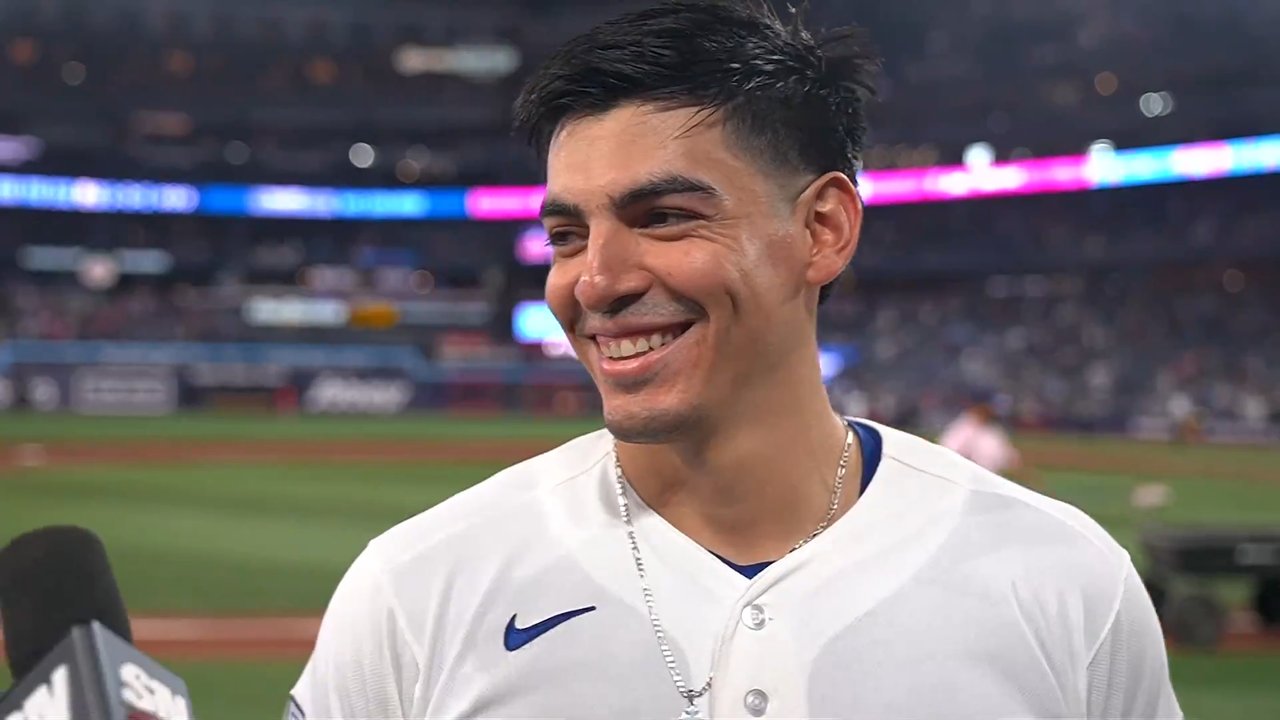
As the organization prepares to welcome back its veteran catcher from a thumb injury this weekend, an unexpected storyline has completely reshaped the conversation inside the clubhouse. Brandon Valenzuela, originally called up as a temporary solution, has transformed into something nobody saw coming—a player who suddenly looks too valuable to remove from the Major League roster.
Just weeks ago, Valenzuela was viewed as a defensive-minded prospect tasked with surviving at baseball’s highest level while the Blue Jays waited for Kirk to recover. Today, he is forcing coaches, executives, and fans to ask a question that seemed unimaginable at the beginning of the season:
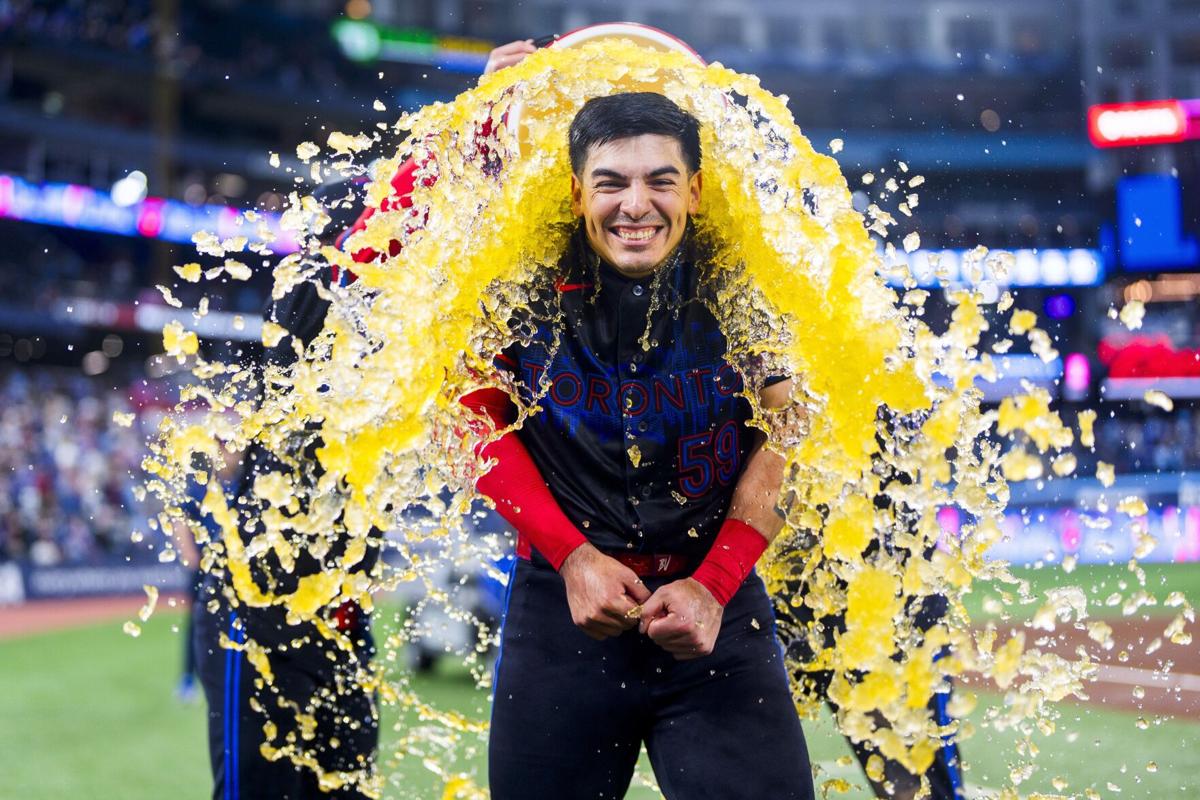
What if the replacement has become too important to replace?
The answer is becoming increasingly complicated.
When Kirk went down with injury, Toronto needed stability behind the plate. Valenzuela was handed an opportunity largely because of his defensive reputation and ability to manage pitchers. Expectations were modest. The goal was simple: hold the position together until the veteran returned.
But baseball rarely follows the script.
Valenzuela not only handled the defensive responsibilities, he thrived under them. More surprisingly, his bat began producing at a level few anticipated. Instead of looking overwhelmed by Major League pitching, he started delivering quality at-bats, timely hits, and game-changing moments that energized the entire lineup.
According to individuals close to the coaching staff, his development has accelerated at a pace that exceeded internal projections. What was expected to be a short-term evaluation suddenly became a serious long-term discussion.
One team insider described the transformation bluntly.
“Brandon doesn’t play like a temporary call-up anymore. He plays like someone who belongs here.”
That sentiment is becoming harder to ignore.
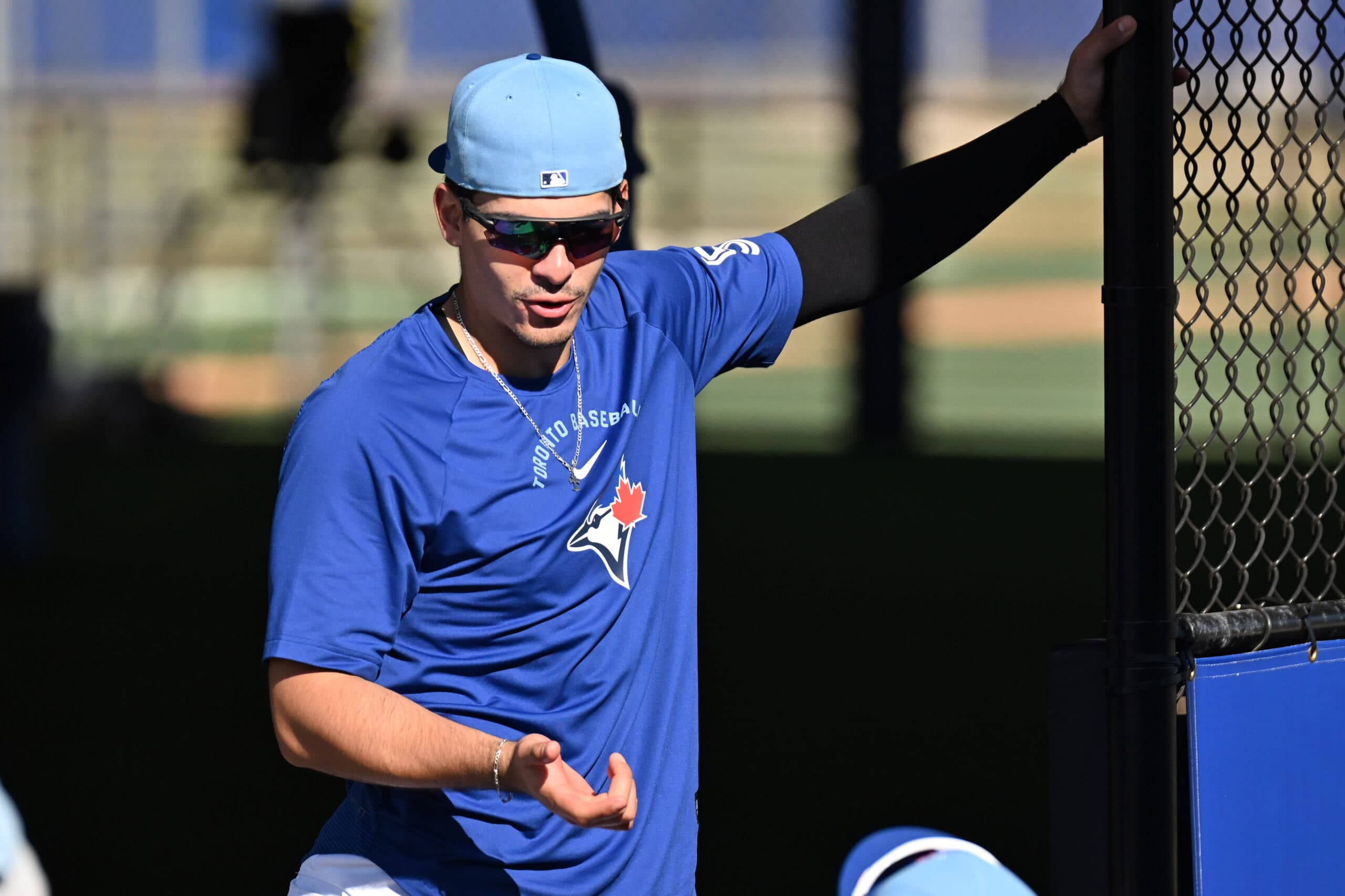
Earlier in the season, Valenzuela experienced the struggles typical of young players making the jump to the majors. His swing often looked rushed. His timing was inconsistent. The daily grind of Major League Baseball appeared to challenge him.
Then something changed.
After making subtle adjustments to his hitting mechanics, particularly simplifying his movement before entering the swing, his offensive production began climbing rapidly. The improvements were not limited to one hot streak or a handful of fortunate games. They became part of a larger pattern.
Every week brought more confidence.
Every series brought another reason for the coaching staff to keep believing.
And every game seemed to strengthen his argument for a permanent role.
What has impressed Toronto even more is that the numbers only tell part of the story.
Pitchers have increasingly praised Valenzuela’s ability to manage games. His communication, preparation, and understanding of opposing hitters have developed far beyond what many expected from a young catcher still learning the league.
Several pitchers reportedly feel comfortable attacking hitters with him behind the plate because of his growing ability to read situations and adjust strategies in real time. For a catcher, that trust is invaluable.
In many ways, Valenzuela has begun displaying qualities usually associated with experienced veterans rather than emerging prospects.
His confidence has also become contagious.
Inside the clubhouse, teammates describe him as fearless. He is willing to attack pitches aggressively, accept mistakes, and move forward without hesitation. That mentality has created a noticeable energy whenever he steps into the batter’s box.
Players talk about expecting something exciting every time he swings.
That kind of belief is difficult to quantify, but impossible to overlook.
Which brings the Blue Jays to the dilemma now looming over the organization.
Alejandro Kirk remains one of the most respected catchers in the franchise. His leadership, experience, and proven track record have made him a cornerstone of the team for years. His return was originally expected to restore normalcy and strengthen Toronto’s playoff ambitions.
Instead, it has complicated them.
Sending Valenzuela back to Triple-A may have seemed like the obvious solution a month ago. Today, that option feels far less straightforward. The young catcher is no longer performing like a prospect who needs additional seasoning. He is contributing like a player capable of impacting meaningful games right now.
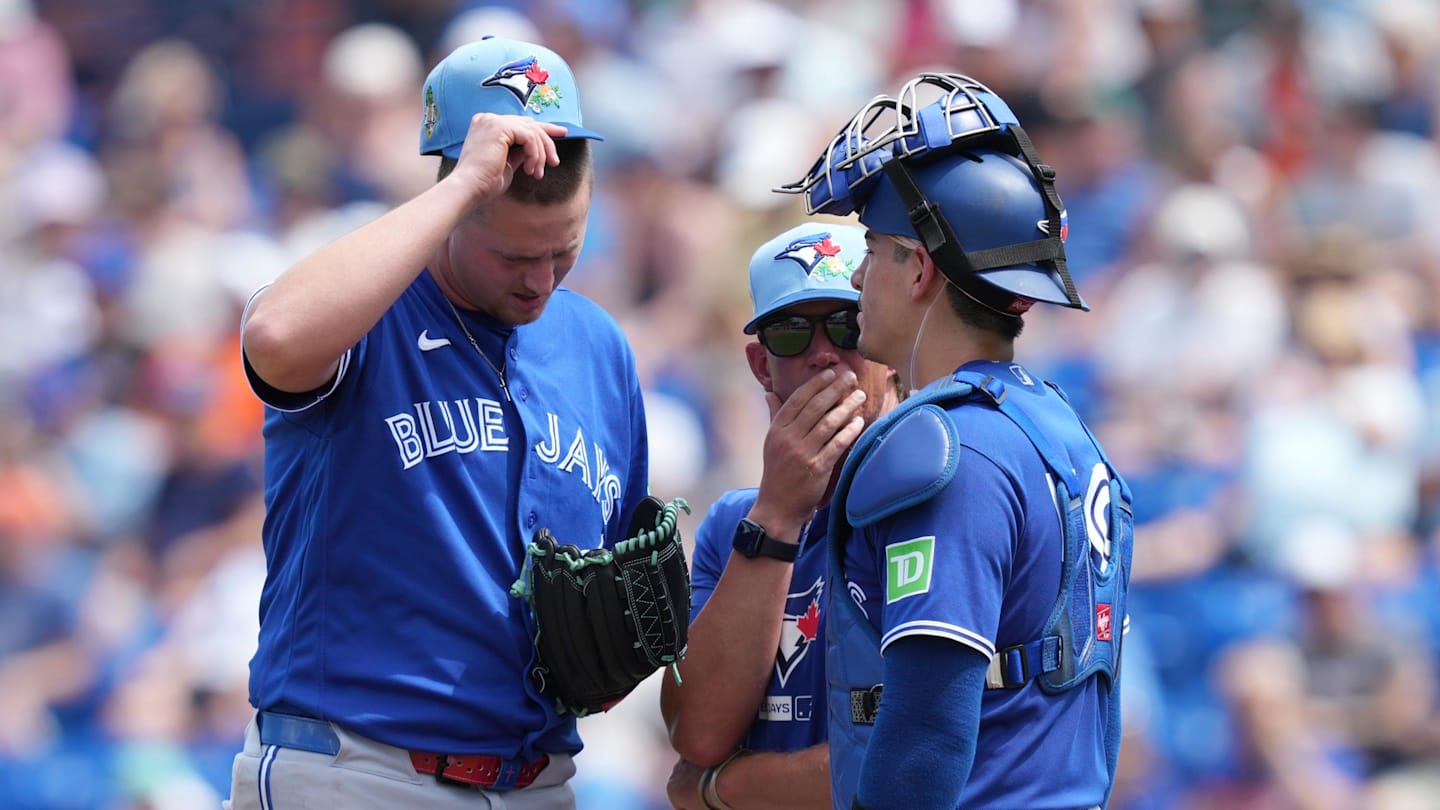
As a result, many around the organization believe a catcher rotation could emerge as the most realistic path forward.
Such an arrangement would allow Kirk and Valenzuela to share responsibilities while keeping both players fresh during the demanding second half of the season. However, implementing that strategy comes with its own challenges, including lineup management, defensive consistency, and maintaining rhythm for both catchers.
Yet those are problems many teams would gladly accept.
After all, championship contenders are often defined by depth.
And suddenly, Toronto appears to have something rare: two catchers capable of influencing games in very different but equally important ways.
That depth could become a major advantage as the playoff race intensifies. Injuries, fatigue, and scheduling demands often expose weaknesses during the final months of a season. The Blue Jays may now possess protection at one of baseball’s most demanding positions.
For Brandon Valenzuela, however, this story is no longer about future potential.
It is about the present.

The young catcher who arrived as an emergency replacement has become one of the organization’s most intriguing success stories. Every game continues to strengthen his case. Every performance raises the stakes of the decision awaiting Toronto’s front office.
Alejandro Kirk is returning to reclaim his place.
But Brandon Valenzuela has made one thing abundantly clear.
He is no longer waiting in line behind anyone.
And as the Blue Jays prepare for a pivotal stretch of the season, the biggest question may not be whether Valenzuela belongs in the majors.
It may be whether Toronto can afford to take him out of the lineup at all.