CAPE TEARS: Why Cape Verde Hero Vozinha Broke Down After a World Cup Masterclass Against Spain
The final whistle had barely echoed around the stadium when Cape Verde goalkeeper Vozinha collapsed into tears.
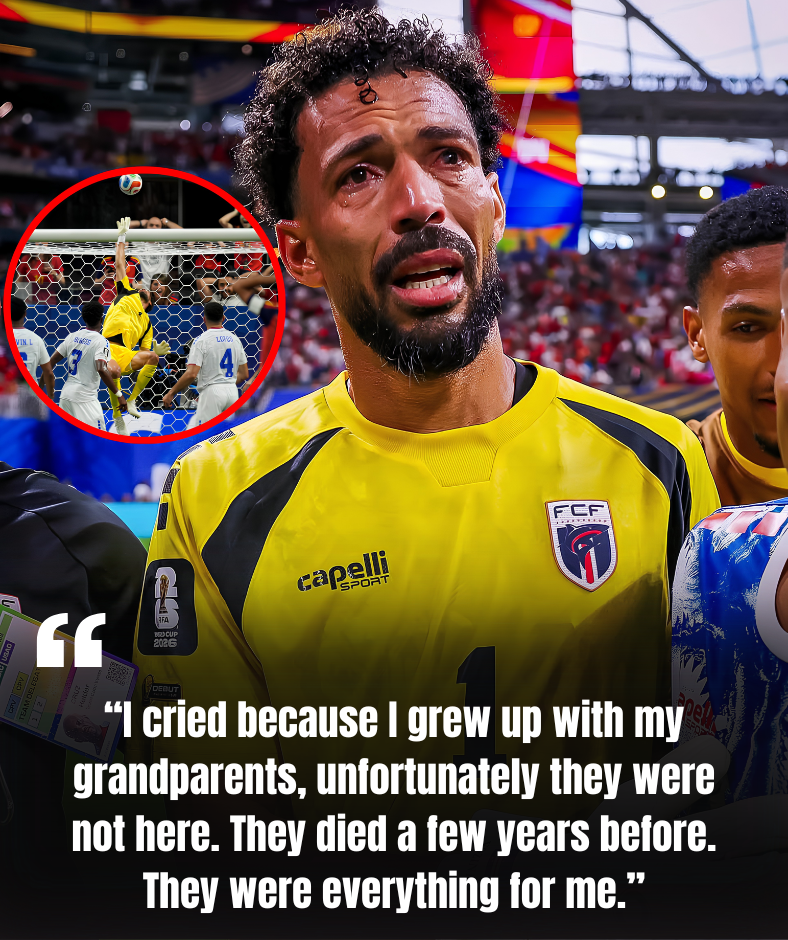
Around him, teammates celebrated one of the greatest results in their nation’s sporting history. Across the pitch, Spain’s stars walked away frustrated after being held to a shock 0-0 draw in their opening match of the 2026 FIFA World Cup.
For most viewers, the image was unforgettable: a 40-year-old goalkeeper standing in front of the goal he had protected for 90 relentless minutes, overwhelmed by emotion after producing the performance of his life.
But Vozinha’s tears were about far more than football.
They were about family, sacrifice, loss, and a journey that almost seemed impossible for a player from one of the smallest nations ever to reach the World Cup.
Cape Verde entered the tournament as overwhelming underdogs. With a population of roughly 500,000 people, the island nation is the third-smallest country by population ever to appear at a World Cup. Many analysts expected Spain, the reigning European champions, to dominate from the opening whistle.

Instead, Cape Verde delivered a defensive masterclass.
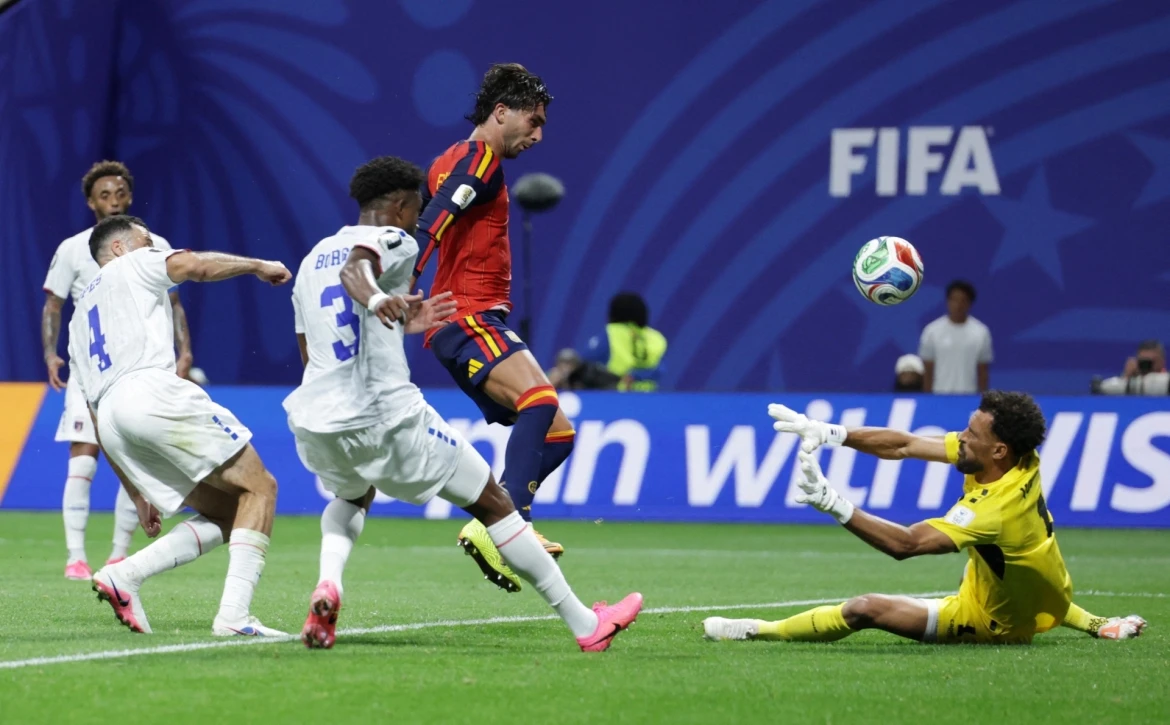
Spain controlled possession for long stretches, finishing with nearly three-quarters of the ball. They launched wave after wave of attacks, testing Cape Verde’s back line with intricate passing combinations and constant movement.
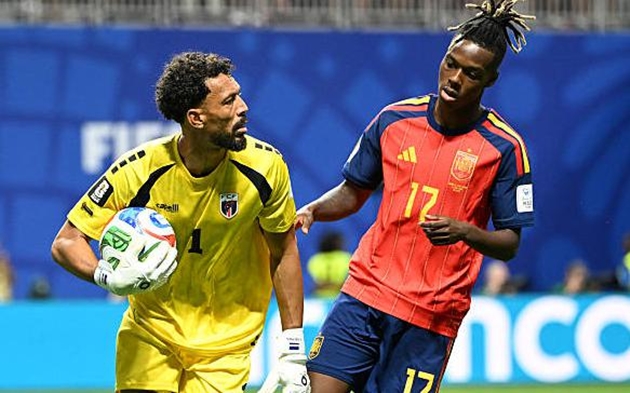
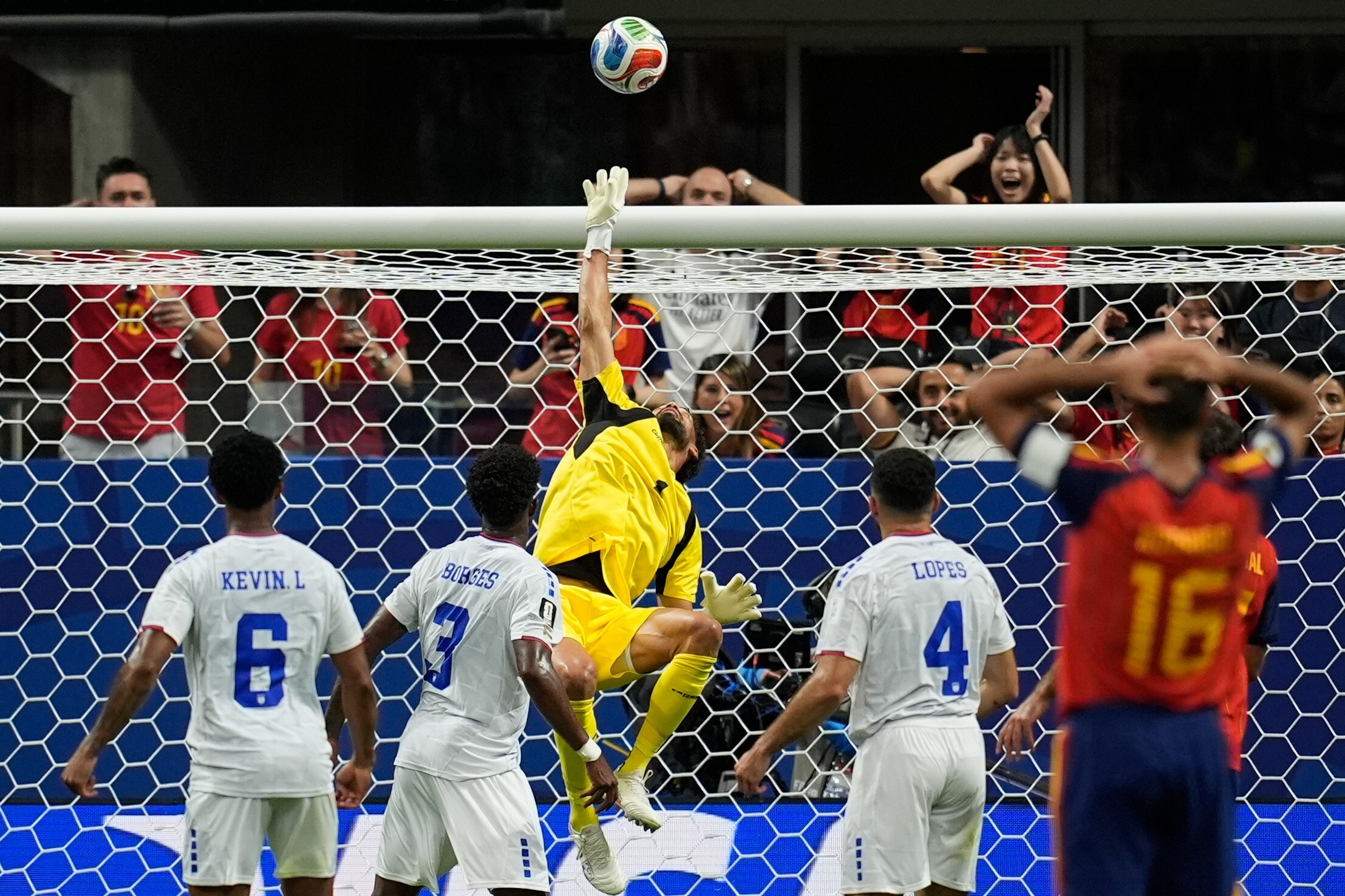
Yet every time Spain appeared ready to break through, Vozinha stood in the way.
The veteran goalkeeper produced seven saves, commanded his penalty area with authority, and claimed dangerous crosses under pressure. Even Spain’s game-changing substitute Lamine Yamal could not find a route past him.

By the end of the afternoon, Spain had been frustrated into one of the biggest surprises of the tournament’s opening week.
For Cape Verde, the draw represented more than a point.
It was the country’s first-ever World Cup match.
And its first-ever World Cup point.
The achievement instantly became a defining moment in national sporting history.
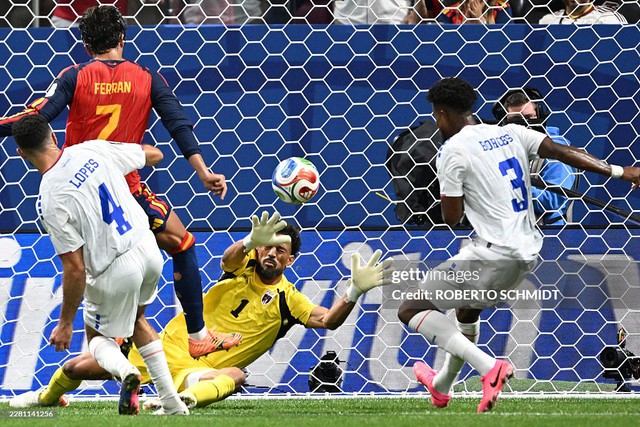
Vozinha, one of the oldest players competing in the tournament, was named Man of the Match. His performance immediately drew comparisons with some of the greatest goalkeeping displays in World Cup history. Statistically, he became one of only a handful of goalkeepers aged 40 or older to record such a high number of saves in a World Cup game.
But while television cameras focused on his heroics, they could not fully explain the emotional reaction that followed.
Moments after the match, Vozinha revealed the deeply personal reasons behind his tears.
“I cried after the game because I grew up with my grandparents when I was a kid, and they could not be there,” he said.
“They passed away a few years ago.”
For many athletes, reaching a World Cup is the fulfillment of a lifelong dream. For Vozinha, it was also a moment he wished he could have shared with the people who helped raise him.
As he stood on football’s biggest stage, memories of his grandparents came flooding back. The magnitude of the occasion, combined with the result, became impossible to contain.
Then came another painful revelation.

“My mum could not be here either because of a visa issue, and the money we had to pay for it. We did not manage to do this in time.”
That sentence transformed a sporting story into something universally human.
While millions of fans around the world celebrated Cape Verde’s achievement, the person Vozinha most wanted in the stadium was watching from afar.

The goalkeeper had just become a national hero, yet his mother could not witness the moment in person because of administrative and financial obstacles.
For many players representing smaller football nations, the road to the World Cup often involves challenges that players from traditional powers rarely encounter. Resources are limited. Travel is difficult. Opportunities are scarce.
Vozinha’s story became a reminder that behind every global sporting event are deeply personal struggles invisible to most spectators.

As news of his emotional interview spread online, fans around the world rallied behind him.
What happened next was almost as remarkable as the match itself.
Brazilian broadcaster Caze TV encouraged viewers to follow the goalkeeper on social media during the game. The original goal was modest: help him reach 100,000 Instagram followers.
Instead, the internet responded with astonishing speed.
Within minutes, his follower count surged past the target.
Then it doubled.
Then multiplied again.
By less than half an hour after the final whistle, Vozinha had reportedly gained more than 1.4 million new followers, turning the veteran goalkeeper into one of the tournament’s first viral sensations.
The explosion of support reflected more than admiration for a great performance.
Fans connected with his authenticity.
In an era when elite athletes are often viewed through the lens of contracts, sponsorships, and celebrity culture, Vozinha represented something different: perseverance, humility, and gratitude.
His tears were not the tears of victory alone.
They were the tears of a boy remembering his grandparents.
The tears of a son wishing his mother could have been in the stands.
The tears of a footballer who had waited four decades for a moment that many thought would never come.
Spain may have left the field disappointed.

Cape Verde left with history.
And at the center of it all stood Vozinha — a goalkeeper who stopped every Spanish attack, inspired an entire nation, and reminded the world why the World Cup remains sport’s most powerful stage.
Sometimes the biggest stories are not about who wins.
They are about why a moment matters.
That is why Vozinha cried.