Lil Wayne’s announcement of the 20 Years of Carter Classics Tour has sent a jolt through the music industry, not simply because it marks another round of performances, but because it represents a cultural reckoning. This is not just a tour—it is a celebration of two decades of Tha Carter, a series that has defined hip‑hop and reshaped the sound of American music. Beginning June 30, 2026, in Bangor, Main,e and running through October 23 in Knoxville, Tennessee, the tour will span more than 25 major cities, including Chicago, Columbus, Denver, Nashville, Long Beach, and Fort Worth. The scale alone signals that Wayne is not content to rest on his legacy; he is determined to remind audiences why his name still commands the stage. “I don’t just rap history—I live it,” he told fans in a recent teaser, and that line captures the spirit of this comeback.

The presence of collaborators adds another layer of excitement. Rapper 2 Chainz will join Wayne as the opening act for most nights, bringing his own brand of Southern swagger to the stage. In select cities, The Game will make special appearances, particularly in California, adding a West Coast edge to the lineup. These choices are not incidental—they reflect Wayne’s ability to bridge regions, styles, and generations. His tours have always been more than concerts; they are gatherings of culture, places where hip‑hop’s diversity is put on display. Fans are already speculating about surprise guests, remembering how Wayne has often used the stage to spotlight protégés and peers. “Every show feels like a family reunion,” one longtime fan commented, and that sense of community is part of what makes his tours legendary.
The ticket sales themselves tell a story. With prices ranging from $34 to $76, depending on venue and seating, the tour is accessible compared to many major acts. That decision reflects Wayne’s understanding of his audience—he has always balanced superstar status with a connection to the streets. For fans who grew up on Tha Carter III or discovered him through mixtapes, the chance to see him live is not just entertainment; it is a rite of passage. The affordability also underscores the celebratory nature of the tour. This is not about exclusivity; it is about inclusion, about giving as many people as possible the chance to witness a milestone in hip‑hop history. “Sometimes the smallest price carries the biggest meaning,” a critic noted, echoing the sentiment that Wayne’s accessibility is part of his enduring appeal.
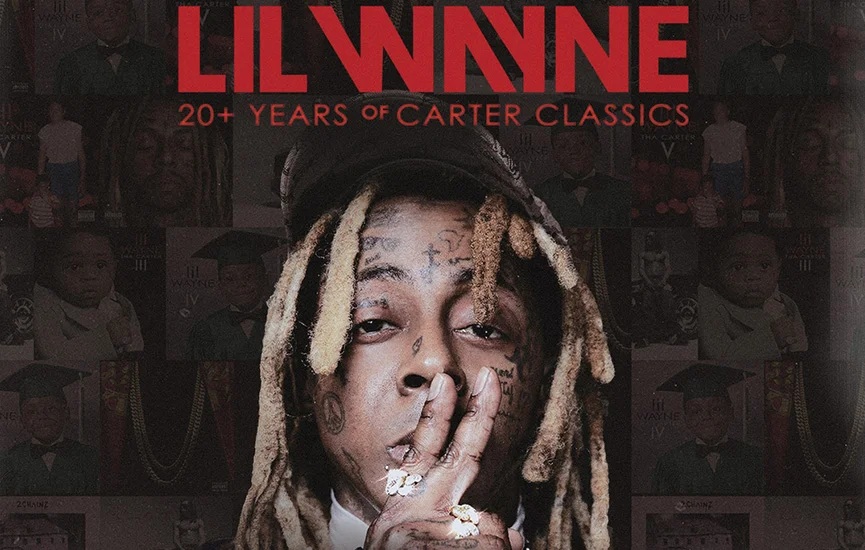
The cultural weight of this tour lies in its timing. Twenty years after the release of Tha Carter, Wayne is not simply revisiting old material—he is reframing his legacy. His career has been marked by reinvention, from the young prodigy of the Hot Boys to the genre‑bending artist who blurred the lines between rap and rock. Each reinvention carried risk, but it also carried meaning. The Carter Classics Tour is a chance to look back while moving forward, to remind audiences that Wayne’s story is not static but evolving. “I never wanted to be a trend—I wanted to be a force,” he once said, and that defiance is what continues to make him relevant.
The anticipation surrounding the tour is also a reflection of Wayne’s broader influence. His mentorship of artists like Drake and Nicki Minaj helped shape the sound of modern hip‑hop, and his lyrical style has been studied and emulated by countless others. The tour is not just about nostalgia; it is about acknowledging the ripple effects of his artistry. Analysts have noted that Wayne’s ability to remain central to the conversation after two decades is rare in hip‑hop, a genre that often moves quickly from one star to the next. “He’s not just part of the culture—he built it,” one journalist observed, and that recognition adds gravity to the upcoming performances.
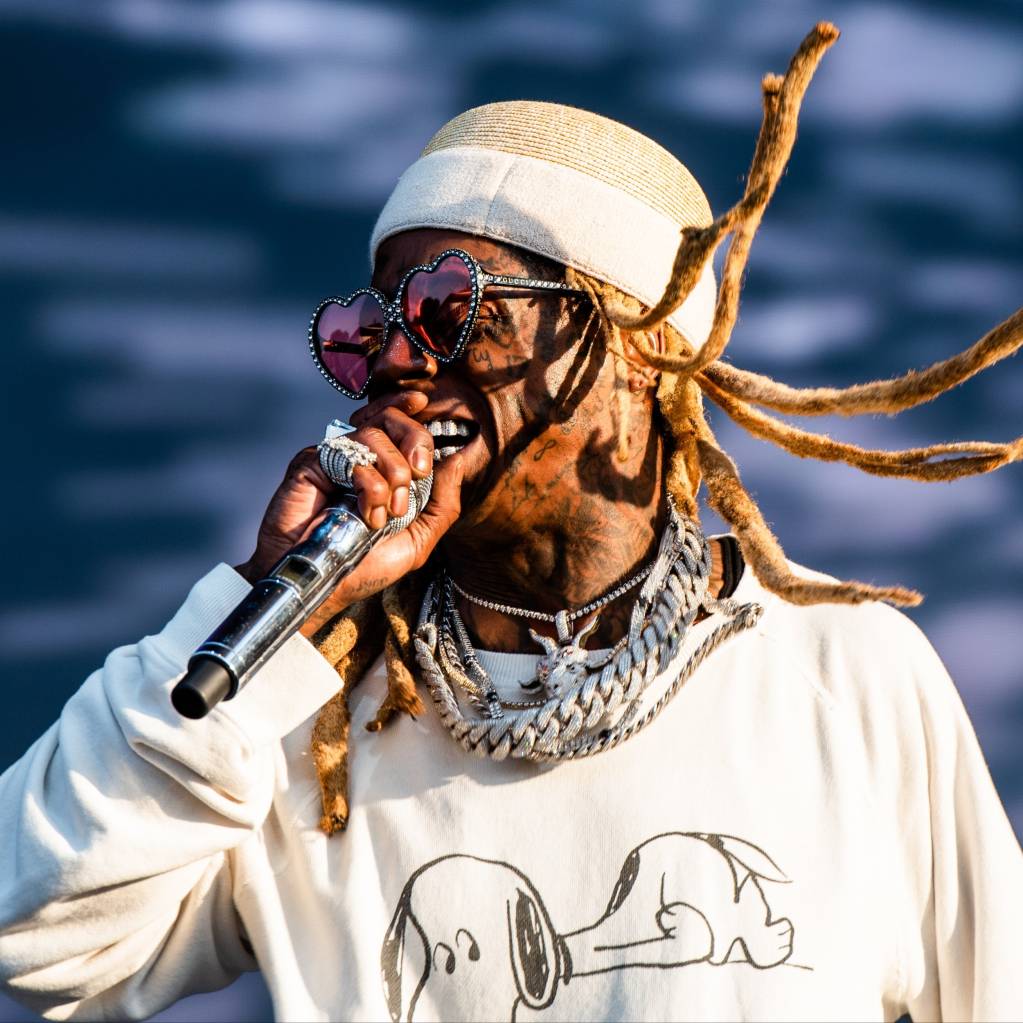
Fans are already imagining what the shows will look like. Will Wayne open with “Go DJ,” the anthem that first put him on the map, or will he lean into the newer material from Tha Carter VI? Will he bring back the chaotic energy of his mixtape era, or highlight the polished brilliance of his chart‑topping hits? The speculation itself has become part of the excitement, with social media flooded by dream setlists and imagined stage designs. What is certain is that Wayne thrives on unpredictability, and the Super Bowl‑sized energy of this tour suggests that he will deliver more than just music—he will deliver spectacle. “If anyone can turn a concert into a cultural earthquake, it’s Wayne,” one fan declared, echoing the sentiment of millions who see him as the perfect fit for such a celebration.
What lingers after the announcement is the realization that this tour is not simply about revisiting classics—it is about redefining legacy. For Wayne, it is a chance to showcase his artistry on the biggest stages in North America, to turn his chaotic energy into a moment of cultural unity. For fans, it is validation of his journey, proof that someone who defied expectations could rise to the pinnacle of entertainment and remain there for decades. And for the industry, it is another reminder that hip‑hop is not just music—it is history, identity, and power. “This isn’t just a tour—it’s a declaration,” one commentator reflected, and that line captures why the 20 Years of Carter Classics Tour has already become one of the most talked‑about events of 2026.