As Storm Warnings Hit Kansas City, Chiefs Owner’s Support for England’s World Cup Camp Draws Attention
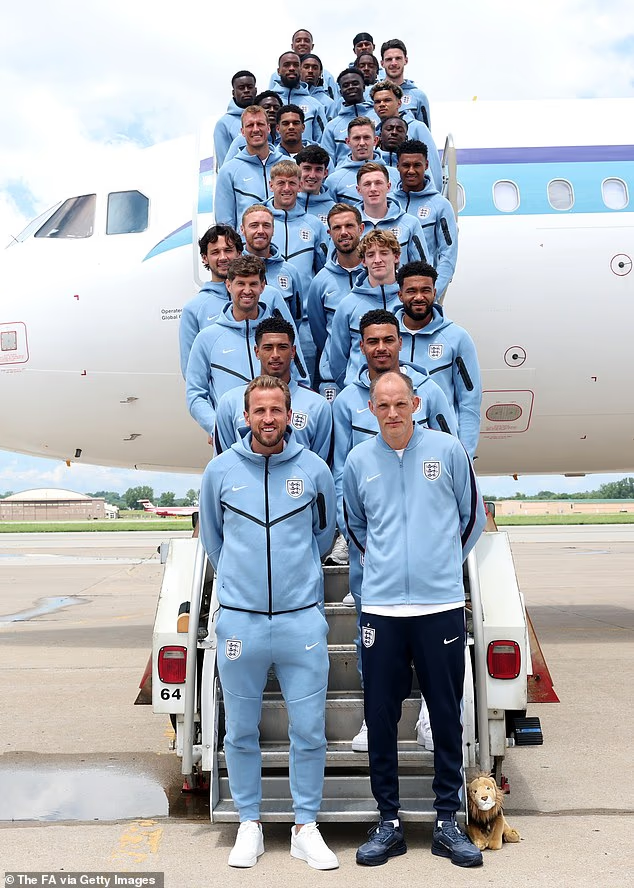
KANSAS CITY, Mo. — For England’s national soccer team, the road to the 2026 FIFA World Cup was expected to be defined by tactics, training sessions and the pressure of championship expectations.
Instead, one of the most talked-about moments of the tournament’s opening days may have come far from the field.

As severe thunderstorms and tornado warnings swept across the Kansas City metropolitan area — where England established its World Cup base camp — concerns quickly shifted from football preparations to public safety. Emergency alerts lit up mobile phones, weather sirens echoed throughout parts of the city, and residents were urged to remain vigilant as dangerous conditions moved through the region.
Amid the uncertainty, an unexpected story of sports leadership and community support began to emerge.

According to reports circulating among local sports and community leaders, Kansas City Chiefs owner Clark Hunt helped coordinate and financially support emergency response efforts connected to the severe weather threat. While officials focused on protecting residents and visitors alike, the assistance reportedly extended to logistical resources, temporary accommodations and community recovery initiatives designed to help those affected by the storms.
The development quickly attracted attention from members of England’s World Cup delegation, many of whom were experiencing Kansas City’s unpredictable weather patterns for the first time.
For a team thousands of miles from home, the experience served as a reminder that international tournaments are about far more than wins and losses.
Kansas City has spent years preparing for its role on soccer’s biggest stage. The city has invested heavily in infrastructure, fan experiences and international outreach ahead of the World Cup, hoping to establish itself as one of the tournament’s most welcoming destinations.
Yet few could have anticipated that one of the city’s defining moments would occur during a weather emergency.
Local residents described a community coming together as forecasts grew increasingly alarming. Businesses adjusted operations, emergency crews remained on high alert, and organizations throughout the city mobilized resources to assist where needed.
For many observers, Hunt’s reported involvement reflected a broader commitment that has long characterized Kansas City’s sports culture.
The Hunt family’s connection to soccer runs deep. Long before the NFL became America’s dominant sports league, the family played a major role in supporting professional soccer in the United States. That history has created a unique bridge between Kansas City and international football communities now arriving for the World Cup.
As England continued preparations for its upcoming group-stage matches, players and staff reportedly remained safe within secured facilities. However, several members of the traveling delegation were said to be impressed by the speed and coordination of the city’s response.
The timing could hardly have been more significant.
England entered the tournament carrying enormous expectations from supporters back home. Every training session, lineup decision and injury update has been closely scrutinized. Yet for a brief period, football itself became secondary.
Instead, conversations centered on resilience, community and the importance of helping others during moments of crisis.
Sports have often provided powerful examples of unity during difficult circumstances. Whether through charitable efforts, disaster relief campaigns or acts of generosity behind the scenes, teams and owners frequently find themselves playing roles that extend well beyond competition.
Kansas City’s response to the storm threat appears to have offered another example.
For England supporters following developments from overseas, the story has provided an unexpected glimpse into the city serving as their team’s temporary home. For Kansas City residents, it has highlighted the sense of pride surrounding the community’s World Cup hosting responsibilities.
As the skies cleared and attention gradually returned to soccer, one message remained clear.
The World Cup may ultimately be remembered for dramatic goals, unforgettable matches and championship celebrations. But for those who witnessed the severe weather scare in Kansas City, another memory may endure just as strongly: a city rallying together when it mattered most, and a prominent sports figure stepping forward to help ensure that both residents and visitors were protected during an uncertain moment.
In a tournament built on global connections, Kansas City offered a powerful reminder that the spirit of sport often shines brightest away from the scoreboard.