William Saliba entered this World Cup carrying the weight of expectation, but the opening days in Boston have been defined by frustration rather than opportunity. Since France’s arrival, the Arsenal defender has missed consecutive training sessions, sidelined by a lingering back injury that has forced him into a solitary recovery program. The French Football Federation confirmed that Saliba is following an individual plan. While the medical staff insists the situation is not immediately alarming, the possibility of post‑tournament surgery looms. For a player who has just completed a demanding season at Arsenal, helping lead the club to a Premier League title, the timing could hardly be more cruel. The World Cup is supposed to be the pinnacle, yet for Saliba, it has begun with isolation and uncertainty.
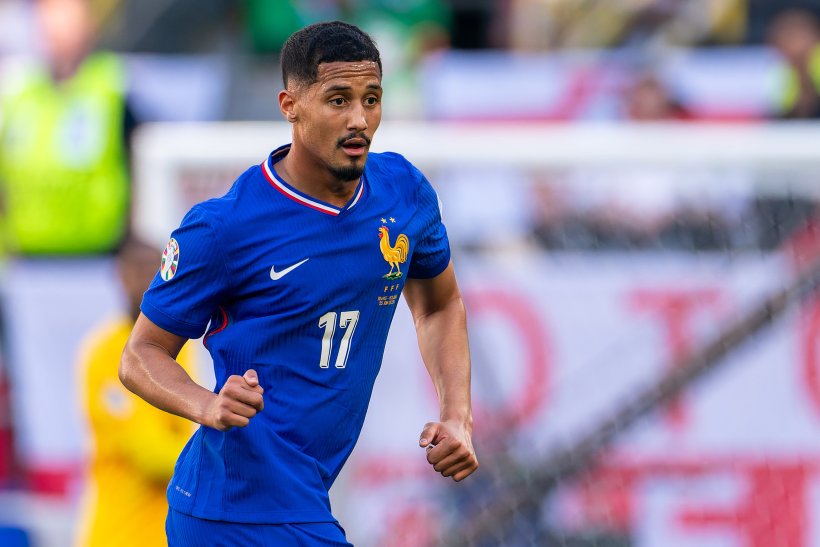
The absence of Saliba from full training has inevitably raised questions about his readiness for France’s opening match against Senegal. For supporters, the sight of a key defender unable to join tactical drills is unsettling, especially given his importance to the back line. France’s defensive unit relies on cohesion, and every missed session chips away at that rhythm. Yet the story of Saliba in Boston is not only about injury and doubt. It is also about the bonds of camaraderie that extend beyond national borders. Bukayo Saka and several Arsenal teammates quickly reached out to check on Saliba, offering words of encouragement and solidarity. Their gestures underscored a truth often hidden beneath the competitive surface of international football: the club family remains intact, even when players wear different jerseys. “We’re always together, no matter where we are,” one Arsenal player remarked, a sentiment that highlights the enduring ties forged in the dressing room at the Emirates.
For Saliba, those messages carry weight. Injuries can be isolating, especially in the high‑pressure environment of a World Cup, where every training session feels like a step toward destiny. To be separated from the group, working alone while teammates prepare collectively, is a lonely experience. The support from Saka and others helps bridge that gap, reminding Saliba that he is not alone in his struggle. It is a reminder that football, for all its ruthlessness, still thrives on human connection. “When you see a teammate hurting, you don’t think about flags or colors—you think about the person,” an Arsenal insider explained, capturing the essence of this moment. That sense of fraternity is what sustains players through the darkest stretches of their careers, and for Saliba, it is a lifeline in Boston.

The contrast with Gabriel Magalhães, Saliba’s fellow Arsenal defender, adds another layer to the narrative. Magalhães has stepped into Brazil’s starting lineup with confidence, embodying the resilience and form that Saliba himself displayed throughout Arsenal’s campaign. The juxtaposition of one Gabriel thriving on the world stage while the other battles injury in the shadows illustrates the unforgiving nature of elite football. Success and setback often coexist within the same squad, reminding us that the margins between triumph and despair are razor‑thin. For Arsenal fans, it is a bittersweet image: one of their defenders shining brightly, while another is forced to endure the silence of recovery. It is a reminder that football careers are fragile, subject to the whims of health and circumstance, and that glory can be fleeting.
From Arsenal’s perspective, the situation is delicate. Saliba’s back problem is not new; he has managed it before, and the possibility of surgery after the World Cup could affect the club’s plans for the upcoming season. The thought of beginning a new campaign without their defensive anchor is unsettling, particularly after the strides made last year. Yet the way his teammates have rallied around him speaks volumes about the culture Mikel Arteta has cultivated. Arsenal’s rise has been built not only on tactical innovation and talent but also on a sense of unity that transcends the pitch. That unity is now visible in Boston, as players scattered across different national teams continue to act like brothers. The club’s identity is not just about winning matches; it is about fostering a spirit of togetherness that endures even in moments of adversity.

Saliba’s story resonates because it captures both the harsh realities and the softer truths of football. On one hand, it is a tale of injury management, medical assessments, and the cold calculations of whether a player can contribute in the short term. On the other hand, it is a testament to friendship, loyalty, and the bonds that sustain athletes through adversity. For fans, the idea of losing Saliba for part of the World Cup—and potentially the start of Arsenal’s next season—feels like heartbreak. For the club, it may be a necessary step in protecting its long‑term career. And for Saliba himself, it is a test of resilience, a challenge to endure isolation with the knowledge that his teammates stand firmly behind him. “I gave everything for Arsenal,” he might reflect, “but sometimes everything is not enough when the body demands rest.”
The narrative unfolding in Boston is not just about one defender’s absence. It is about the broader fabric of football, where triumph and pain are shared, and where the strength of a team is measured not only by victories but also by how it supports its members in moments of vulnerability. Saliba may be sidelined for now, but the solidarity shown by Saka and his Arsenal brothers ensures that he remains very much part of the fight. As one voice close to the squad put it, “Family comes first, even when the jerseys are different.” That sentiment, simple yet profound, captures the essence of what makes football more than just a game. It is a community, a brotherhood, and for William Saliba, that brotherhood is what will carry him through the difficult days ahead.