 MANCHESTER CITY’S NEXT ERA IS ALREADY IN MOTION: MARESCA LINK, ANDERSON MEGA-DEAL, AND THE £125M QUESTION THAT SHOCKED THE MARKET
Manchester City rarely operate in chaos. Even when the end of an era approaches, the club’s structure ensures that transition feels less like a collapse and more like a controlled evolution. Yet behind the scenes at the Etihad, a quiet but decisive shift is now taking place — one that suggests the post-Pep Guardiola future is not only being considered, but actively constructed.
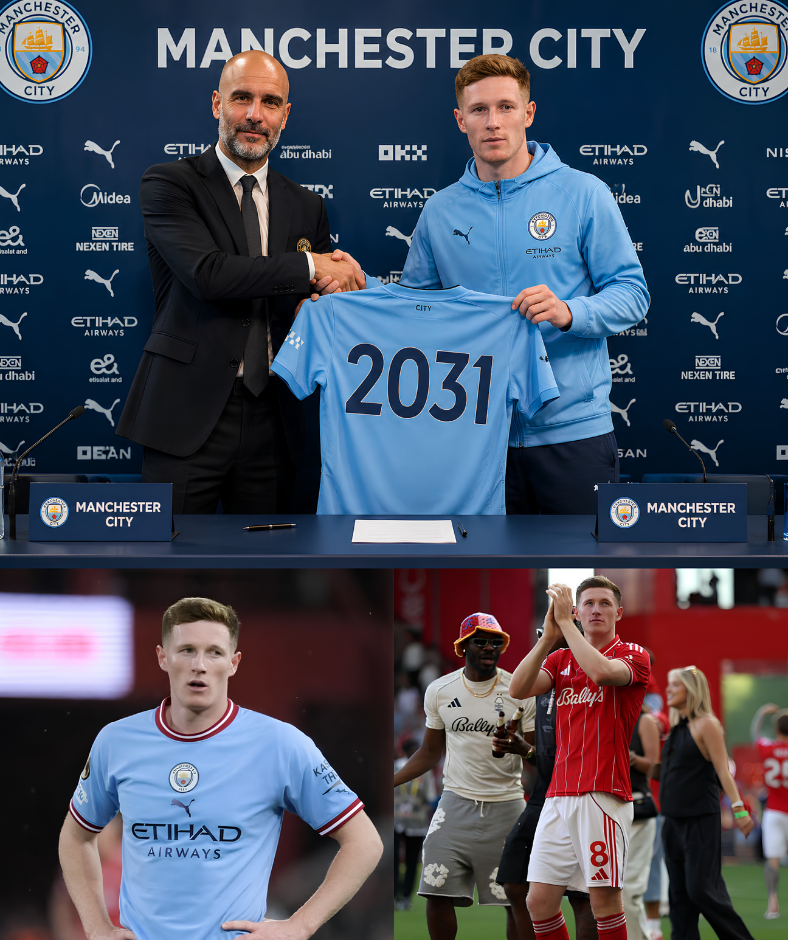
At the center of this emerging blueprint are two names that, at first glance, may not seem directly connected: Enzo Maresca and Elliot Anderson.
One represents the future of the dugout. The other, potentially, the future of the midfield.
And together, they form the clearest signal yet of how Manchester City intend to move into their next era: not with disruption, but with precision engineering.
 MARESCA: THE ARCHITECT WAITING IN THE SHADOWS
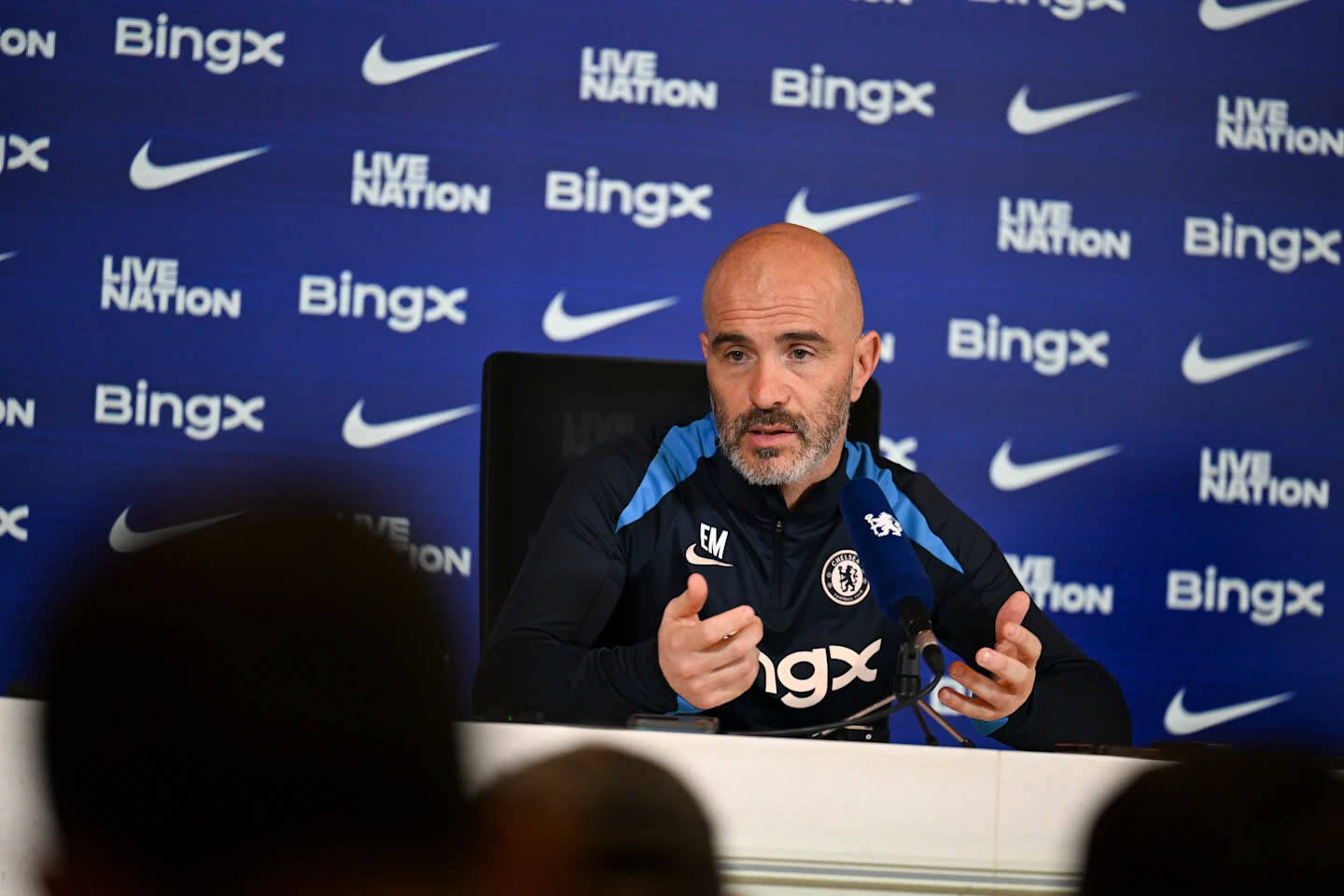
The growing expectation across European football circles is that Enzo Maresca is positioned as the leading candidate to eventually succeed Pep Guardiola at Manchester City.
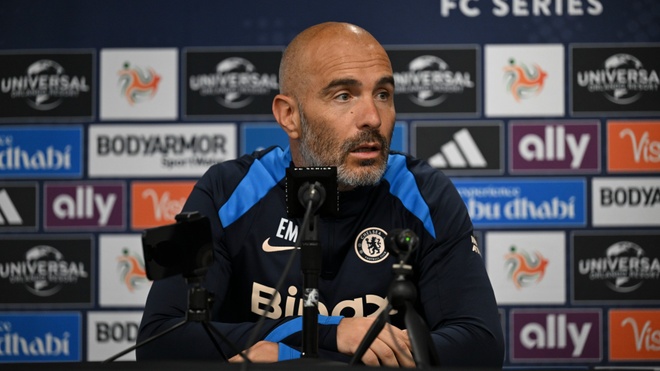
Maresca’s coaching identity is deeply rooted in the same tactical ecosystem that defines City’s modern success. A former assistant under Guardiola, he understands positional play, structured build-up patterns, and the importance of controlled pressing mechanisms. His recent managerial development has only strengthened the perception that he is not merely a “follower” of the system — but a potential evolution of it.
While no official confirmation has been made regarding a managerial transition, multiple reports suggest that City’s hierarchy has already begun aligning recruitment strategies with Maresca’s tactical preferences.
In other words, the planning has started before the announcement.
And that is where the Elliot Anderson situation becomes more than just another transfer story.
 THE ANDERSON FILE: FROM PROSPECT TO €125M HEADLINE
According to journalist Nicolò Schira, Manchester City have reached a preliminary agreement in principle with Nottingham Forest midfielder Elliot Anderson, with discussions reportedly centered around a contract running until 2031.
On the surface, this alone signals long-term commitment. A six-year-plus contract in modern football is not just a reward — it is a declaration of strategic belief. City are not merely buying a player for depth; they are potentially securing a cornerstone for the next generation of midfield structure.

However, what has truly stunned the market is not the contract length, but the rumored valuation attached to the deal.
Sources close to the negotiations suggest Nottingham Forest could demand a fee as high as £125 million (€145M) for Anderson — a figure that would place him among the most expensive midfielders in Premier League history.
For context, Anderson’s estimated market value sits significantly lower, closer to the €50–60M range. The gap between valuation and asking price reflects a broader reality of modern football: elite English midfielders are no longer priced based purely on output, but on scarcity, potential, and tactical fit.

And in this case, Forest are fully aware of their leverage.
 WHY MANCHESTER CITY ARE WILLING TO LISTEN
To understand why City are even entertaining such numbers, one must look beyond statistics.
Inside the club, Elliot Anderson is not being evaluated as a superstar signing in the traditional sense. He is being assessed as a system-compatible midfielder, capable of operating in multiple roles within a high-possession framework.
His profile offers something increasingly valuable in modern elite football:

- Press resistance under pressure
- Ability to receive in tight interior spaces
- Tactical adaptability across midfield roles
- Rapid decision-making in progression phases
These are not flashy attributes, but they are essential within the Manchester City model — and even more so in anticipation of a potential managerial transition.
With Kevin De Bruyne entering the twilight phase of his career and Bernardo Silva’s long-term future uncertain, City’s midfield core is undergoing a natural cycle reset. Anderson, in that context, represents not replacement — but continuity.

 THE TIMING THAT CHANGES EVERYTHING
What makes this situation especially significant is the timing.
Manchester City are not waiting for Pep Guardiola’s departure to begin reshaping the squad. Instead, they appear to be executing a pre-emptive rebuild strategy, aligning player recruitment with a projected tactical identity rather than a current one.
This is where Maresca’s influence — even indirect — becomes crucial.
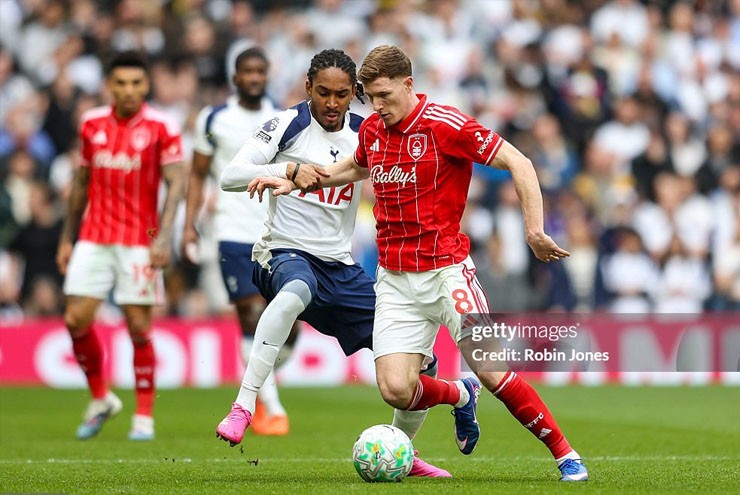
If he is indeed the next manager, City’s recruitment of players like Anderson suggests an effort to ensure that the squad he inherits is already tailored to his footballing philosophy. This eliminates the typical “transition gap” that often disrupts elite clubs after long-term managerial reigns.
It is not rebuilding.
It is continuity planning.
 THE £125M DILEMMA

Still, the financial aspect of the deal raises serious questions.
A £125 million valuation places Anderson in a bracket usually reserved for established global stars. For a player still developing his full Premier League profile, the figure is aggressive — even by modern standards.
However, Manchester City have repeatedly shown that their transfer strategy is not driven by market consensus. When they identify a player as structurally important, they rarely walk away due to inflated pricing.
The club’s approach is simple: if the player fits the system, the system absorbs the cost.
That philosophy has defined their success over the past decade.

 WHAT THIS SIGNALS FOR THE FUTURE
Taken together, the Maresca links and the Anderson negotiations suggest something larger than a single transfer story.
They indicate that Manchester City are already preparing for life after Guardiola in a way that avoids the instability that often follows generational managers.

Instead of a hard reset, City appear to be constructing a soft transition model:
- A manager aligned with existing tactical principles
- A squad already built around positional control and adaptability
- Long-term contracts for emerging core players
- Gradual evolution rather than abrupt change

If completed, the Elliot Anderson deal — particularly at a figure approaching £125M — would not just be a headline transfer.
It would be one of the first defining moves of Manchester City’s post-Guardiola identity.
And if Enzo Maresca does eventually take charge, he will not be walking into a rebuilding project.
He will be stepping into a system that has already begun rebuilding itself.