BREAKING NEWS CLAIM SURROUNDS DENNIS ECKERSLEY — BUT FACTS TELL A MORE CAREFUL STORY BEHIND THE RED SOX ICON
In the age of viral headlines and algorithm-driven storytelling, few phrases travel faster than “breaking news.” This week, one such caption about Hall of Fame pitcher and Boston Red Sox legend Dennis Eckersley spread rapidly across social platforms, suggesting that the beloved broadcaster has been secretly battling a rare blood disease while continuing to inspire millions.
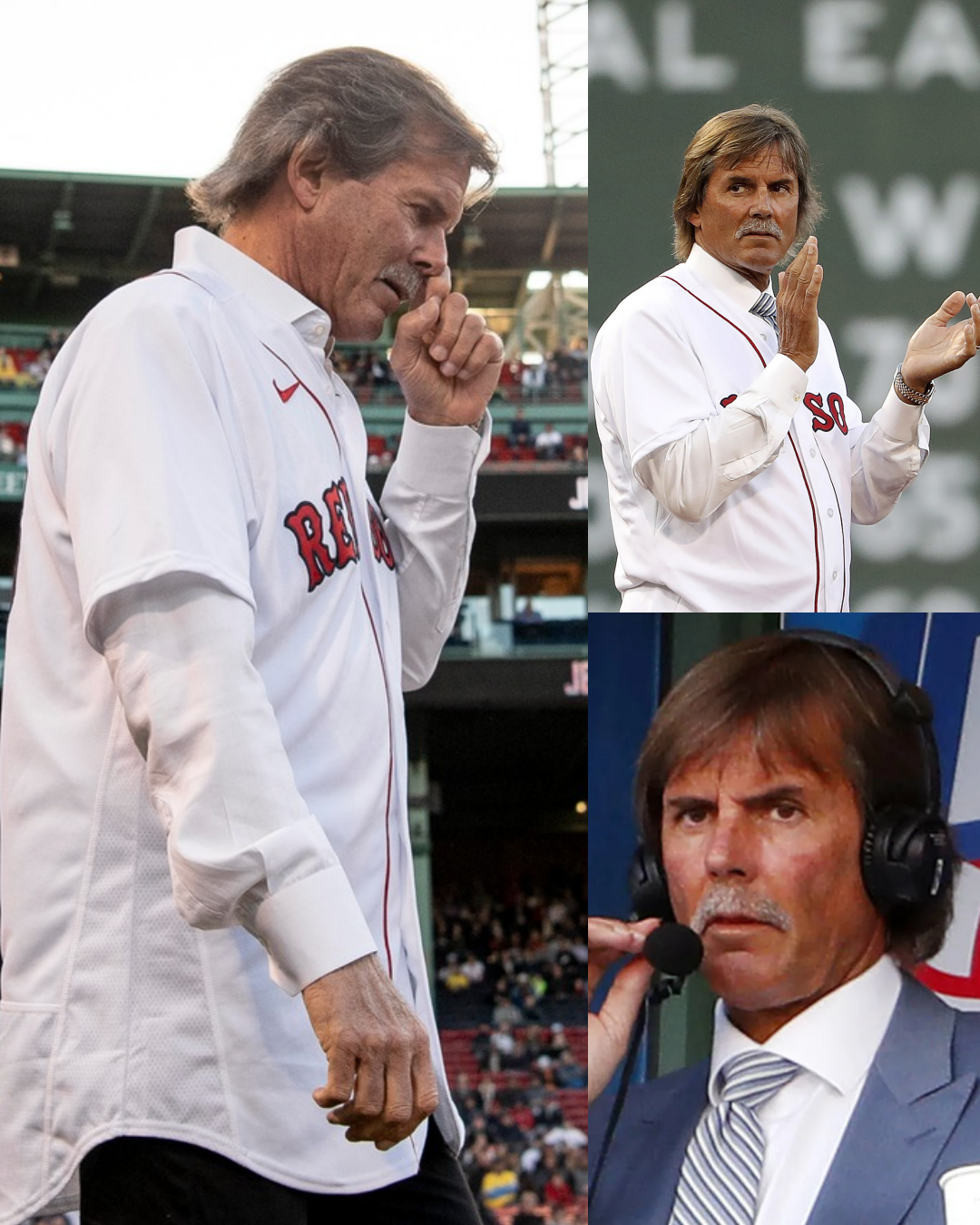
The emotional framing was unmistakable: a sports hero enduring a hidden war away from stadium lights, carrying pain in silence while maintaining the charisma that made him one of baseball’s most recognizable voices. But as with many viral narratives attached to public figures, the reality requires more precision than the internet often allows.
As of verified public reporting, there is no confirmed disclosure from Eckersley, his representatives, or credible medical reporting indicating that he is currently suffering from a rare blood disease. The circulating claim appears to originate from unverified social media posts rather than established news organizations or official statements.
Still, the speed at which the story resonated says something important—not about illness, but about Eckersley himself, and the emotional place he occupies in baseball culture.
A CAREER BUILT ON TRANSFORMATION AND RESILIENCE

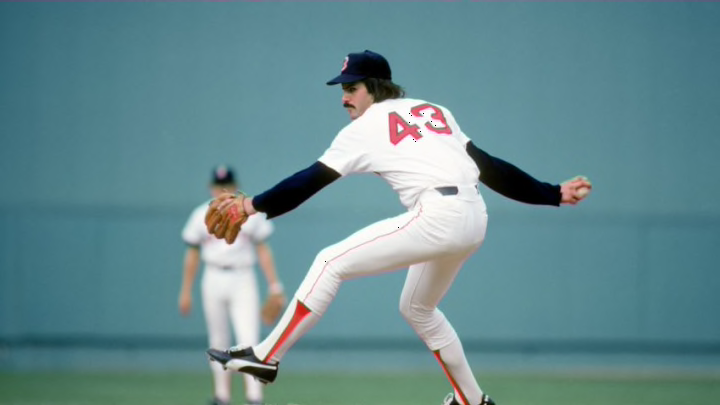
Dennis Eckersley’s baseball journey is already the kind of narrative that tends to attract mythmaking. Over a 24-season Major League Baseball career, he evolved from a durable starting pitcher into one of the most dominant closers the sport has ever seen.
He first broke through with the Cleveland Indians in the mid-1970s before becoming a fixture with the Boston Red Sox and later reaching his peak years with the Oakland Athletics. It was in Oakland where Eckersley reinvented himself—transitioning to the bullpen and redefining what a modern closer could look like: controlled, surgical, emotionally unshakable.
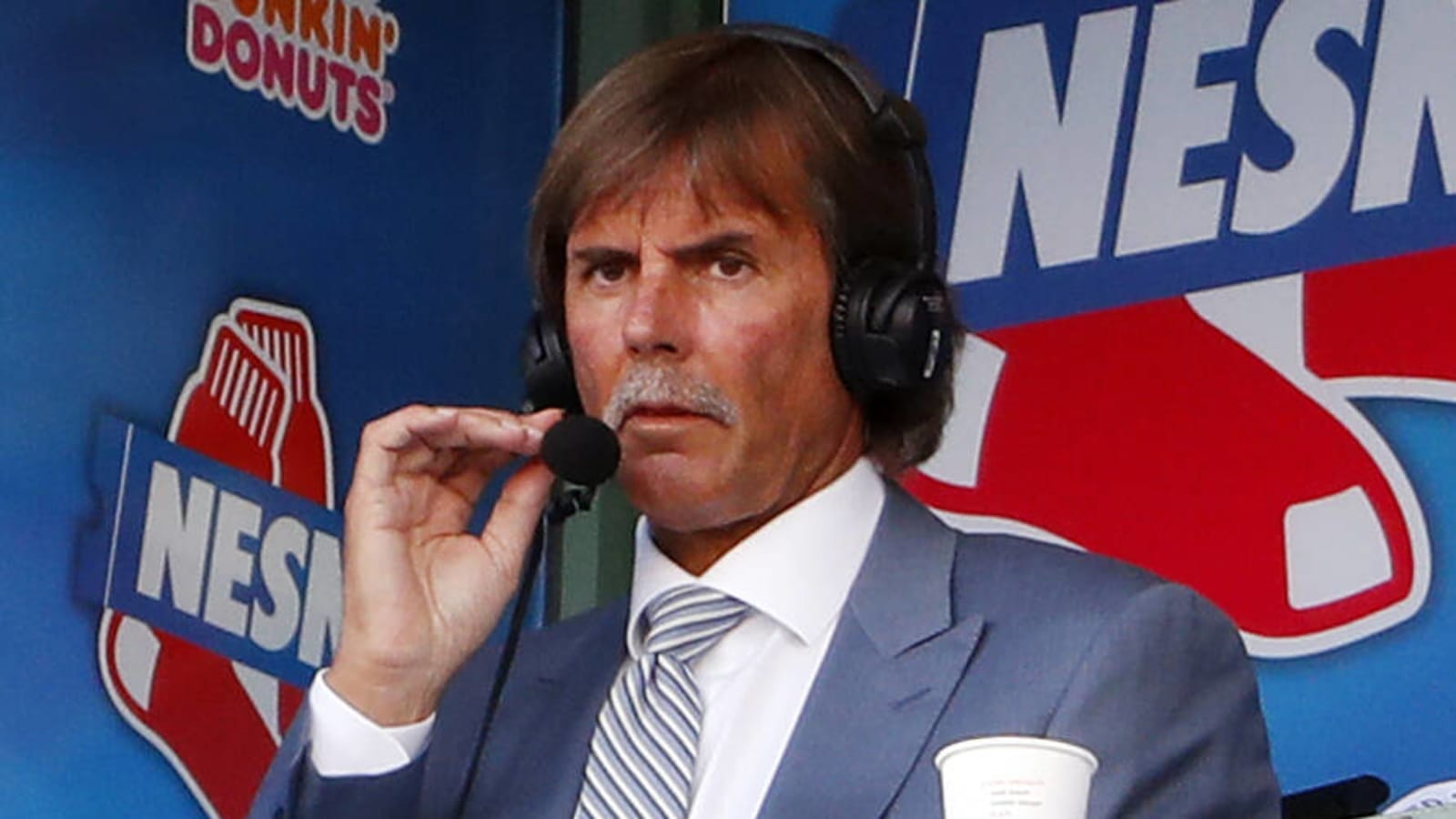
The 1992 season remains one of the most decorated individual campaigns ever by a relief pitcher. Eckersley captured both the American League Cy Young Award and Most Valuable Player honors, a rare double that underscored just how dominant he had become in high-leverage moments.
By the time he retired, his résumé included over 390 saves and a place in the Baseball Hall of Fame, cementing his legacy as one of the game’s all-time greats.
FROM MOUND TO MICROPHONE: A SECOND LIFE IN BASEBALL
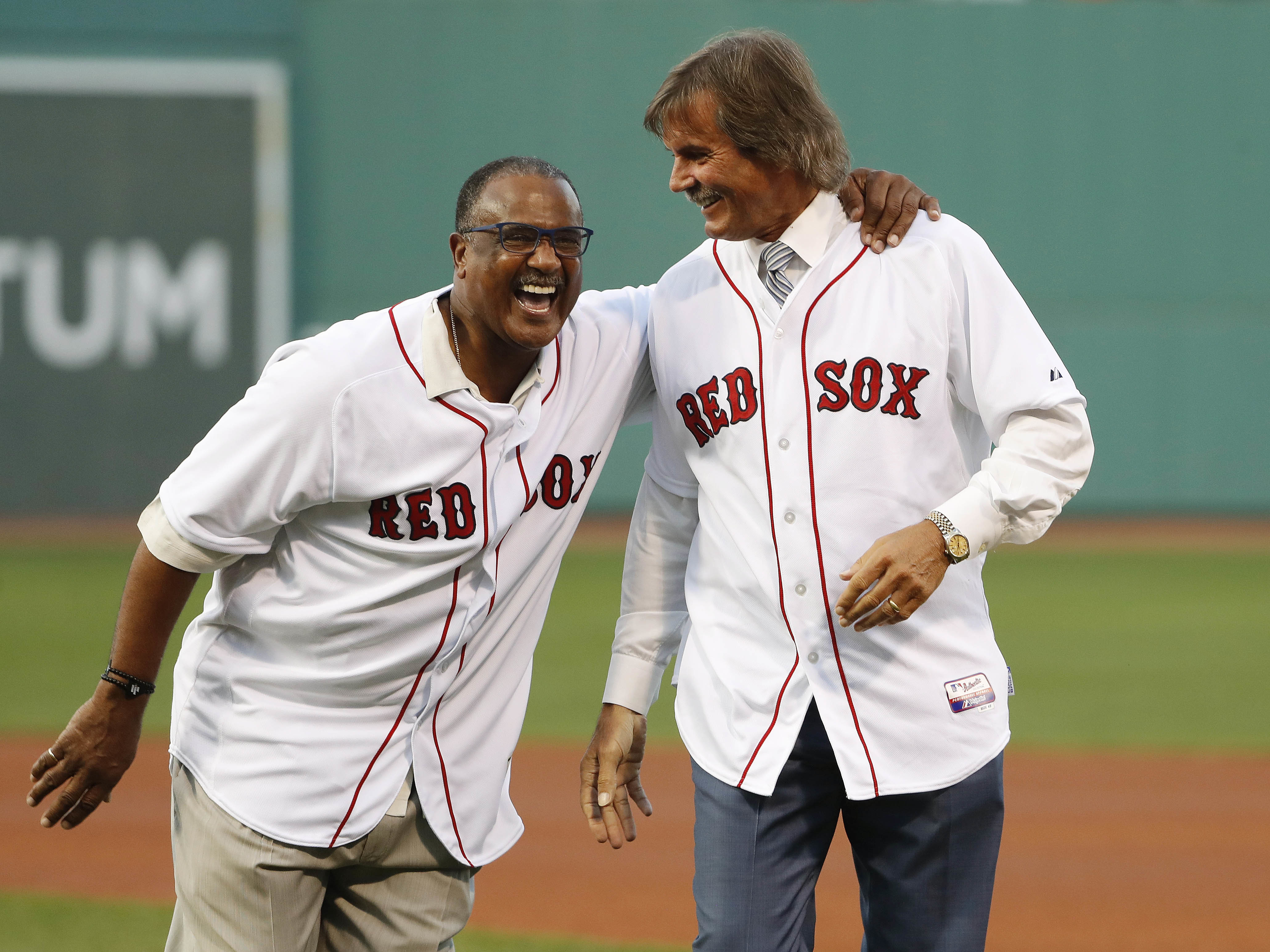
What has kept Eckersley in the public eye long after his playing days ended is not just nostalgia—it is presence. His post-playing career as a broadcaster, particularly with the Boston Red Sox on NESN, introduced him to a new generation of fans who never saw him pitch but came to know his voice.
His broadcasting style became instantly recognizable: candid, occasionally self-deprecating, and deeply informed by the instincts of a pitcher who had lived every possible version of a baseball game. Whether breaking down pitch sequencing or reacting to a walk-off hit, Eckersley brought an authenticity that analytics alone could never replicate.

For Red Sox fans, he was more than an analyst. He was a bridge between eras—linking Fenway Park’s history to its modern identity.
WHY THE “SECRET BATTLE” NARRATIVE TOOK HOLD
The viral claim about Eckersley’s alleged illness follows a familiar pattern in modern sports media culture. When athletes become long-standing public figures, particularly those with decades of emotional connection to fans, any suggestion of private struggle quickly gains traction.
In Eckersley’s case, the narrative likely resonated for several reasons:
First, he is widely associated with pressure-filled moments and emotional intensity on the mound, making him an easy symbolic figure for resilience.
Second, his age—now in his 70s—naturally invites public curiosity about his health and well-being.
Third, sports audiences have grown increasingly attentive to stories of athletes confronting health challenges after retirement, from cognitive conditions linked to contact sports to long-term physical ailments accumulated over careers.
But resonance is not evidence.

THE REALITY BEHIND ATHLETE HEALTH STORIES
It is true that many former professional athletes face significant health challenges after retirement. Baseball pitchers, in particular, often deal with arm, shoulder, and joint complications due to years of repetitive high-force motion. Others face unrelated conditions that come with age, just like the general population.
However, credible reporting requires confirmation—not emotional narrative construction.

In Eckersley’s case, no verified medical announcement or reputable sports journalism outlet has reported a rare blood disease diagnosis. Without such confirmation, the claim remains unsubstantiated.
A LEGACY THAT DOES NOT DEPEND ON SPECULATION
Even stripped of viral embellishment, Dennis Eckersley’s legacy stands firmly on its own. He is a Hall of Fame pitcher who successfully reinvented his career at its highest level. He is a Cy Young and MVP winner. He is one of the defining closers of his era. And for Boston fans, he is a familiar voice that turned late innings into storytelling moments rather than statistical ones.
If there is a lesson in the spread of this recent narrative, it is not about Eckersley’s health, but about the modern sports information ecosystem—where emotional framing often travels faster than verification.
For now, what remains clear is this: Dennis Eckersley’s story does not require mystery or manufactured tragedy to be compelling. His real journey—from ace starter to dominant closer to trusted broadcaster—is already one of baseball’s most complete careers.
And in an era where sports legends are often reduced to highlights and hashtags, Eckersley remains something rarer: a figure whose impact spans generations, whether on the mound or behind the microphone.