Brian Schottenheimer’s New Cowboys Policy Is Already Dividing Fans: Earn the Star Before You Profit From It
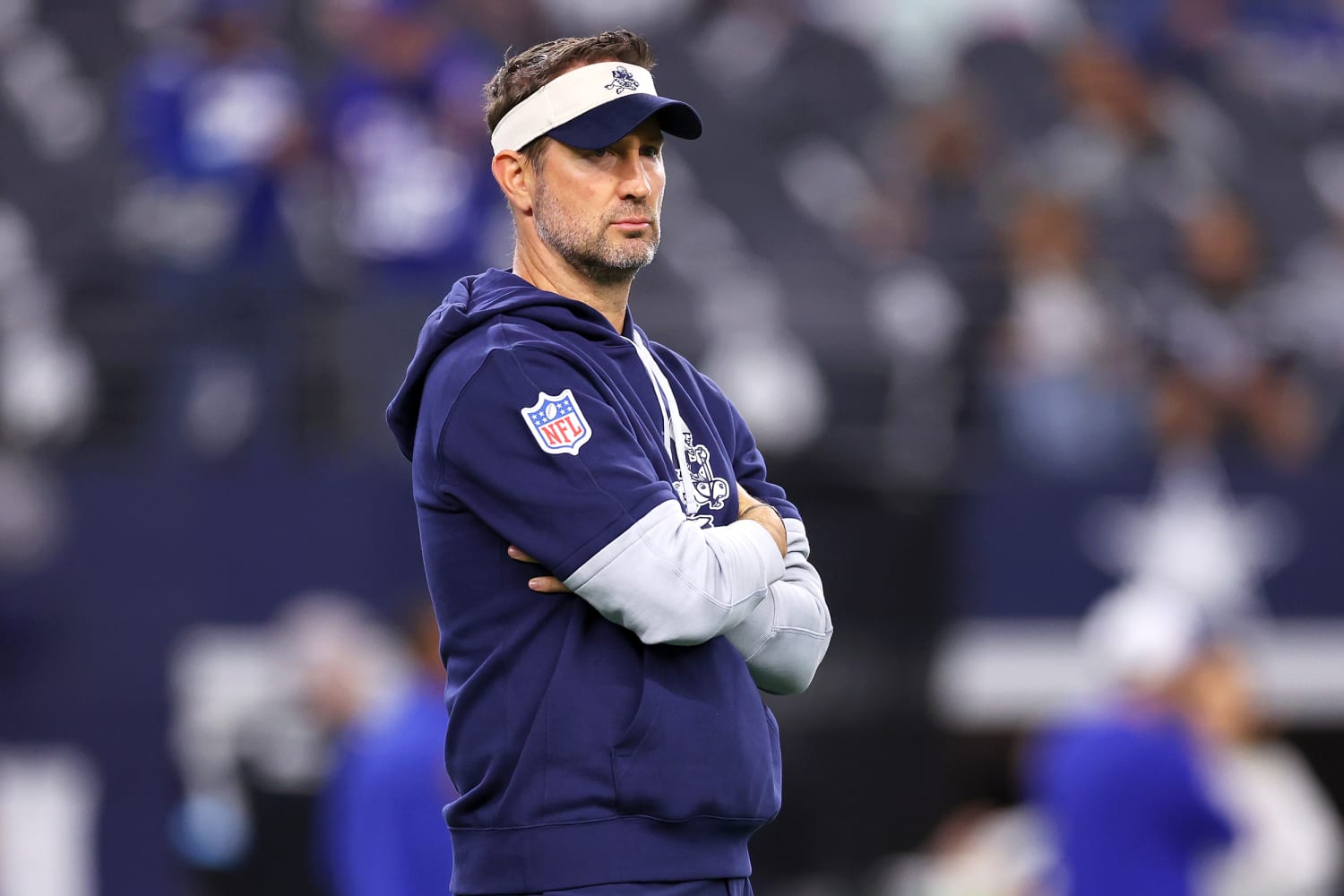
Dallas Cowboys rookies may have to wait before accessing certain endorsement opportunities under a new culture-first approach.
The Dallas Cowboys have never lacked attention, controversy, or expectations. Now, before Brian Schottenheimer coaches his first regular-season game as Dallas’ head coach, he has already sparked one of the offseason’s most talked-about debates.

According to a new team policy, Cowboys rookies will reportedly be prohibited from participating in certain team-sponsored endorsement opportunities until they have completed their first NFL season.
The message behind the decision is straightforward.
“Representing this organization off the field is a privilege. If you’re wearing the star, you have to earn that opportunity through your work, commitment, and performance,” Schottenheimer said.
For some fans, the policy represents accountability and a return to old-school football values. For others, it raises questions about whether the NFL’s next generation of athletes should face additional restrictions in an era where personal branding has become part of professional sports.
Either way, the Cowboys are once again at the center of a national conversation.
A Culture-First Approach in Dallas
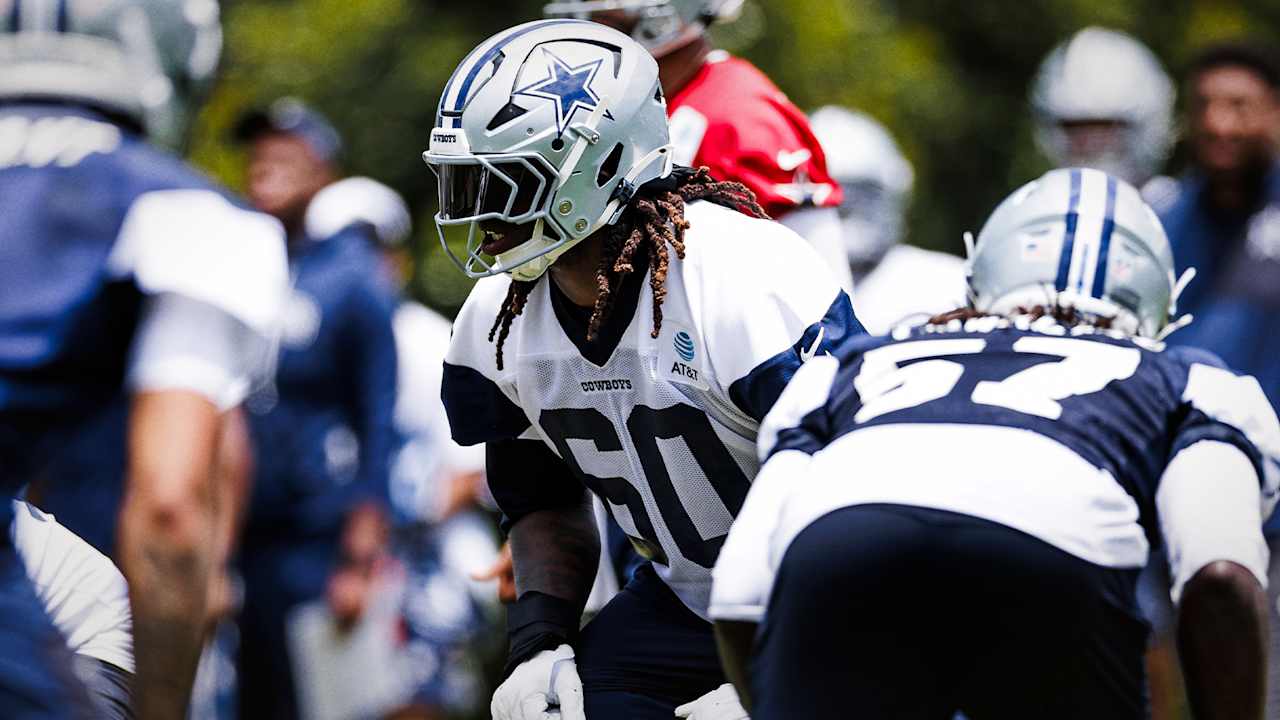
The Cowboys’ star logo is one of the most recognizable brands in sports. For decades, players have understood that wearing the uniform comes with unique visibility and pressure.
Schottenheimer’s reported policy appears designed to reinforce that reality.
Rather than allowing rookies immediate access to team-sponsored marketing opportunities, the organization is signaling that those privileges should be earned through performance, professionalism, and commitment to the team.
The move reflects a broader philosophy often associated with championship cultures: reward contribution, not potential.
In many NFL locker rooms, veteran leadership remains one of the strongest forces shaping team identity. By delaying certain endorsement opportunities, Schottenheimer may be attempting to emphasize that rookies must first establish themselves as teammates before becoming ambassadors for the franchise.
The timing is particularly notable.
Dallas enters a new era under Schottenheimer with enormous expectations. Following years of playoff disappointment, many fans have demanded cultural changes that place discipline and accountability at the forefront.
This policy appears to be one of the first public examples of that philosophy.
Why Some Fans Support the Decision
Supporters of the policy argue that it sends exactly the message the Cowboys need.
For years, critics have claimed that Dallas often receives more attention than results. National television appearances, endorsement deals, and constant media coverage have made Cowboys players some of the most recognizable figures in football.
Many fans believe Schottenheimer is attempting to change the narrative.
Their argument is simple: focus on football first.
By requiring rookies to complete their first season before receiving certain promotional opportunities, the organization may be encouraging young players to prioritize development, preparation, and team success over personal exposure.
Supporters also point out that earning privileges has long been a cornerstone of successful sports organizations.
From locker room traditions to leadership roles, many teams require young players to prove themselves before receiving additional responsibilities or benefits.
To those fans, Schottenheimer’s policy feels less like a punishment and more like a standard.
Why Critics See a Different Story
Not everyone agrees.
Critics argue that today’s NFL operates in a dramatically different environment than it did a decade ago.
Modern athletes are brands from the moment they enter the league. Social media followings, sponsorship opportunities, and personal marketing have become important components of a player’s career and financial future.
Limiting access to endorsement opportunities, even temporarily, could be viewed as restricting a rookie’s ability to maximize that potential.
Others question whether performance on the field should determine access to off-field opportunities, particularly when many endorsement deals are based on personality, community involvement, and marketability rather than statistics.
For these observers, the policy risks appearing outdated in an increasingly player-driven sports landscape.
What This Means for the Cowboys Moving Forward
Whether fans love the policy or hate it, one thing is clear: Schottenheimer has established a tone.
Every new head coach faces the challenge of defining leadership early. Some do it through speeches. Others do it through roster decisions.
Schottenheimer appears to be doing it through standards.
The policy sends a message that the Cowboys intend to emphasize accountability, professionalism, and earned opportunities. It also signals that the organization wants rookies to understand the significance of representing one of the NFL’s most visible franchises.
As training camp approaches, the debate is unlikely to disappear.
Some will view the rule as a necessary cultural reset. Others will see it as an unnecessary restriction in a changing league.
But in Dallas, where every decision becomes a headline, perhaps the most important outcome is that everyone now knows exactly what Brian Schottenheimer expects.
And for a franchise searching for its next breakthrough, that clarity may be the point.