In the Heart of a Historic Blizzard, the Kansas City Chiefs Open Their Doors—Turning a Football Fortress into a Lifeline for the City’s Most Vulnerable
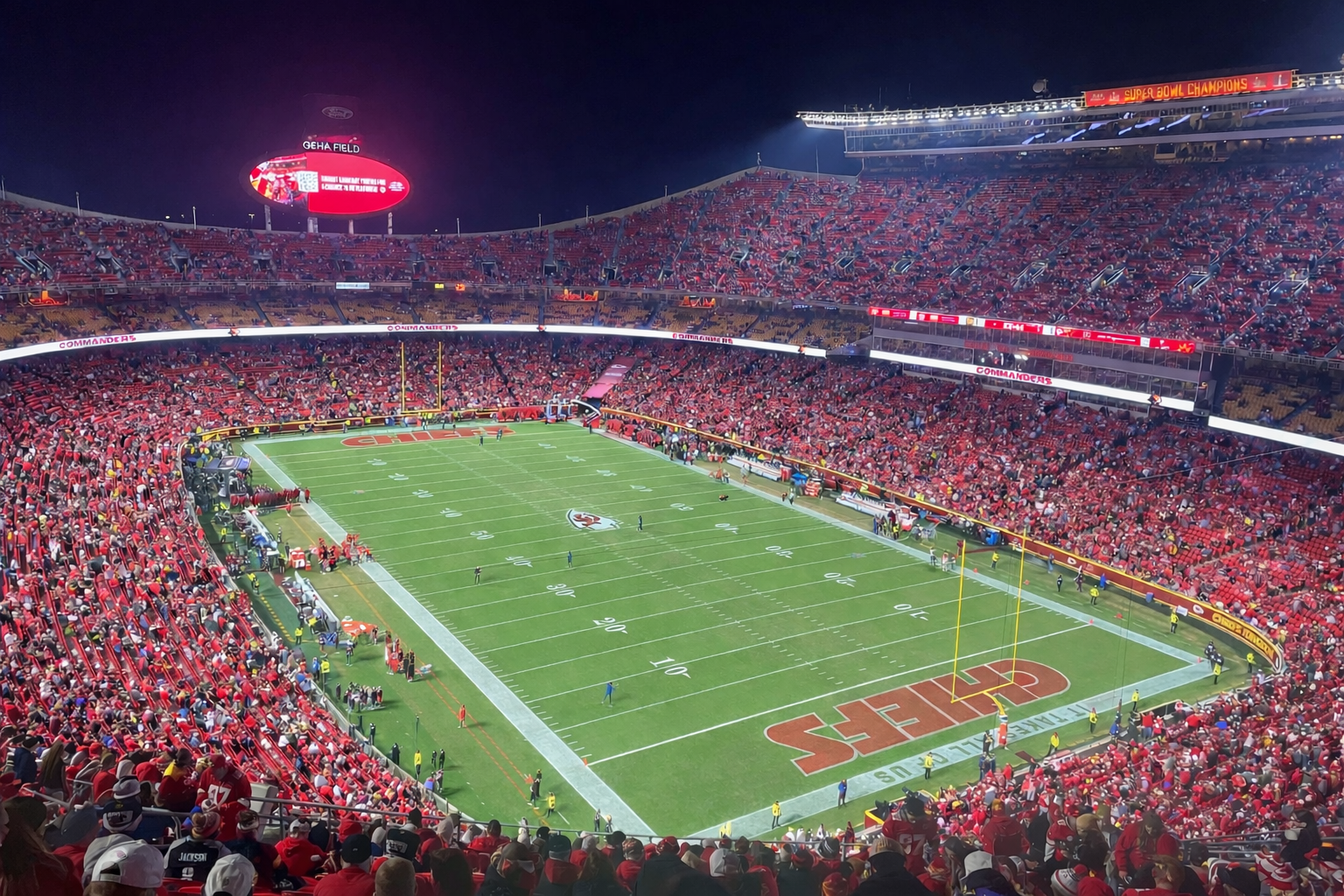
Kansas City, Missouri has endured its share of harsh winters, but this storm was different. As a powerful blizzard swept through the region, burying streets under snow, sending temperatures plunging into dangerous territory, and forcing much of the city to shut down, one reality became impossible to ignore: for hundreds of people without stable housing, this was not merely inconvenient weather—it was potentially life-threatening.
As emergency alerts lit up phones and residents hurried indoors, the Kansas City Chiefs quietly made a decision that would resonate far beyond the football world. Portions of the team’s stadium facilities and surrounding complex were made available as temporary shelter for people experiencing homelessness, transforming a place synonymous with touchdowns and tailgates into something far more essential: refuge.
A City Under Siege by the Cold
Meteorologists described the storm as one of the most severe winter systems to hit the Kansas City area in years. Wind chills dropped to levels where frostbite could occur within minutes. Snow and ice rendered roads nearly impassable. City officials urged residents to remain indoors and warned of power outages and emergency service delays.
For those living on the streets, however, there was no option to “stay inside.” Local shelters quickly reached capacity, and outreach workers faced an urgent race against time. In conditions like these, exposure can turn deadly overnight.
It was in this context that the Chiefs’ decision carried such weight.
From Stadium to Sanctuary
According to local sources familiar with the situation, the Chiefs coordinated with city officials and nonprofit organizations to open designated indoor areas within their facilities. These spaces—normally used for events, operations, or game-day logistics—were repurposed to provide warmth, safety, and basic necessities.
Inside, the scene was far removed from the roar of Arrowhead Stadium on Sundays. Folding cots lined large rooms. Blankets were distributed. Hot beverages and simple meals were provided. Medical volunteers conducted basic health checks, while social workers helped connect guests with longer-term resources.
For many who entered, it was the first warm night they had experienced in days.
No Cameras, No Press Conference

What stood out to many observers was not just the act itself, but the manner in which it was done. There was no dramatic announcement. No immediate press release. No attempt to turn compassion into a headline.
The effort unfolded quietly, driven by logistics rather than publicity. Team staff worked behind the scenes alongside volunteers, ensuring the facility could safely host people who desperately needed protection from the cold.
Only later did word begin to spread—first through local community groups, then through residents who recognized the significance of what had happened.
Redefining “Chiefs Kingdom”
For years, the phrase “Chiefs Kingdom” has been used to describe the team’s passionate fan base. During the blizzard, that phrase took on a deeper meaning.
This was not about wins, playoff runs, or championships. It was about recognizing that a team representing a city carries responsibilities that extend beyond the field. By opening its doors, the Chiefs sent a message that belonging to the community means showing up when it matters most.
Local advocates for the unhoused community described the move as both practical and symbolic. Practical because it saved lives. Symbolic because it demonstrated what institutional compassion can look like in moments of crisis.
The Human Impact

For the people who sought shelter, the experience was profound. Many arrived exhausted, cold, and unsure where they would spend the night. Some had been turned away from overcrowded shelters earlier in the evening. Others had resigned themselves to enduring the storm outdoors.
Inside the facility, the atmosphere was calm and respectful. Guests were treated not as a problem to be managed, but as people deserving dignity. That shift alone made a lasting impression.
One outreach worker noted that extreme weather often reveals who a city truly is. In this case, a major sports organization stepped into a role typically reserved for emergency agencies, and did so without hesitation.
A Broader Conversation About Responsibility
The Chiefs’ action has sparked discussion across Kansas City and beyond about the role of major institutions during crises. Stadiums are among the largest enclosed spaces in many cities. They are equipped with power, heating systems, security, and infrastructure designed to handle large crowds.
Yet they are rarely used in this way.
Advocates argue that this moment should serve as a blueprint—not just for other NFL teams, but for corporations, universities, and venues nationwide. As climate events grow more extreme, communities will increasingly rely on unconventional solutions to protect vulnerable populations.
The question is no longer whether such actions are possible, but whether they are prioritized.
Football Takes a Back Seat
Notably, this decision came at a time when the Chiefs, like every NFL team, face constant pressure to focus on performance, schedules, and operations. Yet in the middle of a brutal winter storm, football became secondary.
There were no playbooks involved. No game plans. Just a simple calculation: space plus warmth equals safety.
That clarity cut through the noise of modern sports culture, reminding fans why teams matter to their cities in the first place.
Community Response
As news of the shelter effort spread, many Kansas City residents expressed pride in the organization. Donations of blankets, food, and supplies increased across local charities. Volunteers stepped forward. Conversations shifted from inconvenience caused by the storm to collective responsibility during it.
Importantly, the focus remained on helping, not celebrating.
More Than a One-Night Gesture
While the immediate crisis will pass, the impact of the Chiefs’ decision may linger. For those who found safety inside the stadium, the memory will not fade quickly. For the city, the moment set a standard.
In the dead of winter, when conditions were at their worst, a football team chose to act as a neighbor first and a business second.
A Quiet Victory
There was no scoreboard to capture this outcome. No trophy to lift. But in the midst of howling winds and falling snow, lives were protected.
Sometimes, the most meaningful victories happen far from the spotlight. And sometimes, a stadium becomes something greater than a place to watch a game—it becomes a shelter, a sanctuary, and a symbol of what a community can be when it chooses compassion over convenience.
On a night when Kansas City froze, the Chiefs kept the city warm.