Hwange National Park, covering over 14,600 km² in northern Zimbabwe, has long been home to one of Africa’s largest elephant populations. But in recent weeks, the park has faced a heartbreaking tragedy: over 110 elephants have died due to an unprecedented and severe drought. Witnesses described the scene as haunting, with carcasses scattered across cracked earth and under parched trees, a stark testament to the toll of climate change.
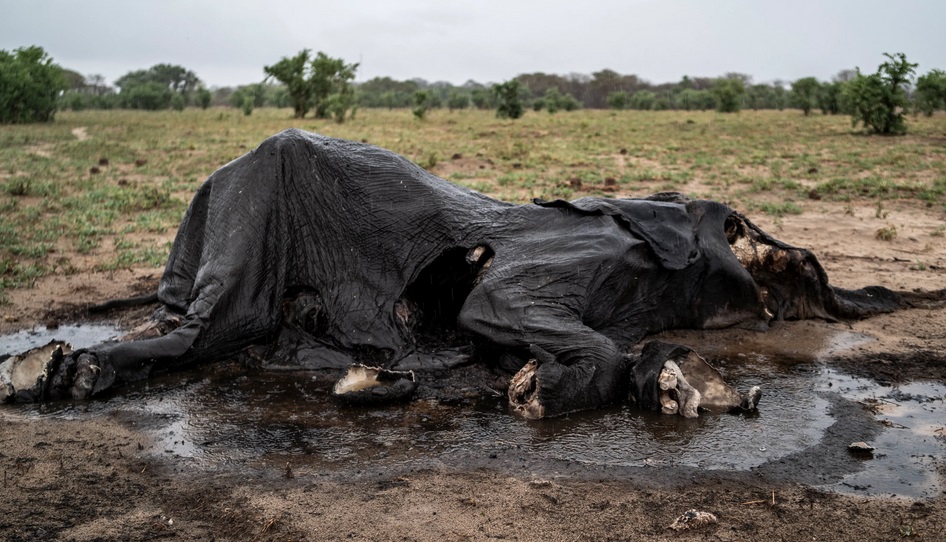
Rangers, including Simba Marozva, have been working tirelessly to retrieve ivory from the decaying carcasses, hoping to protect them from poachers while coping with the emotional toll of witnessing such loss. According to Tinashe Farawo, spokesperson for Zimbabwe Parks and Wildlife Management Authority, the elderly, the young, and sick elephants suffered the most, many spending their final moments beneath the shade of dying trees. The ivory left intact indicates that these deaths were natural, not caused by human hunting.
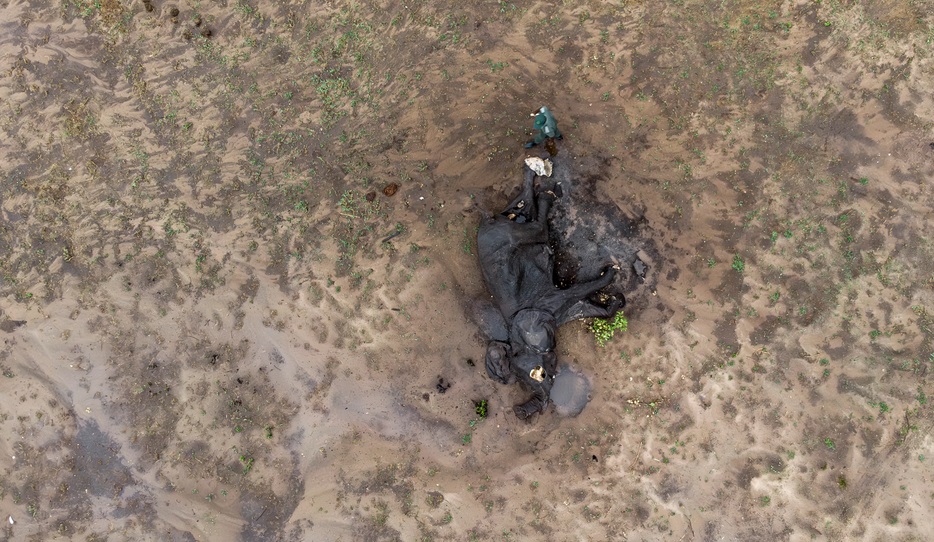
While the total number of deaths may seem small compared to the park’s 45,000-strong elephant population, the emotional impact is immense. For locals and conservationists alike, each loss is a reminder of the fragile coexistence between humans and wildlife, and how vulnerable these gentle giants are to environmental change.
Zimbabwe has faced repeated droughts in recent years, but this year’s crisis, intensified by El Niño, is particularly severe. Experts warn that as climate change worsens, such tragedies may become increasingly common, not just for elephants but for many species struggling to survive under harsher conditions.
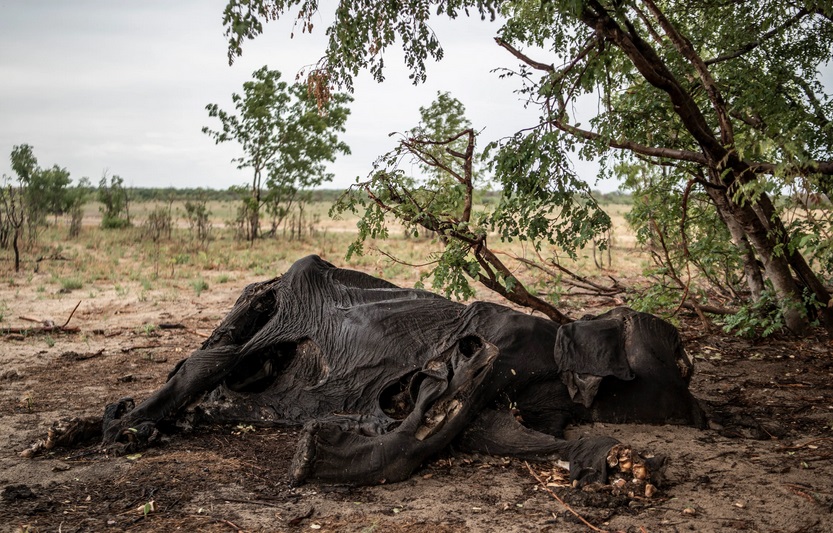
The silent plains of Hwange now bear witness to a grim reality: even in the world’s great sanctuaries, nature is at risk. The fallen elephants, once symbols of freedom and strength, leave behind a void that can never be filled, a sobering reminder of the responsibility humans bear in protecting our planet and its magnificent creatures.