
They once carried tourists through Thailand’s sunlit jungles, but when the world went quiet, so did their strength. At Chang Puak Camp in Ratchaburi, three elephants — Plai See Dor Thong Pool, Plai Boon Mee, and Plai Kham Kaew — were found barely standing, their bodies thin and trembling. The chains around their necks weren’t for control anymore; they were the only thing keeping them upright.

Tourists who discovered them in June described a heartbreaking scene: elephants swaying weakly, leaning on cold metal poles, their eyes dull from exhaustion and hunger. Videos of the suffering quickly spread online, sparking outrage and calls for justice.
Thailand’s Department of Livestock Development (DLD) soon intervened, removing the chains and performing health checks. “We warned the camp this cruelty cannot continue,” said regional officer Authai Saetang, vowing to inspect conditions regularly.
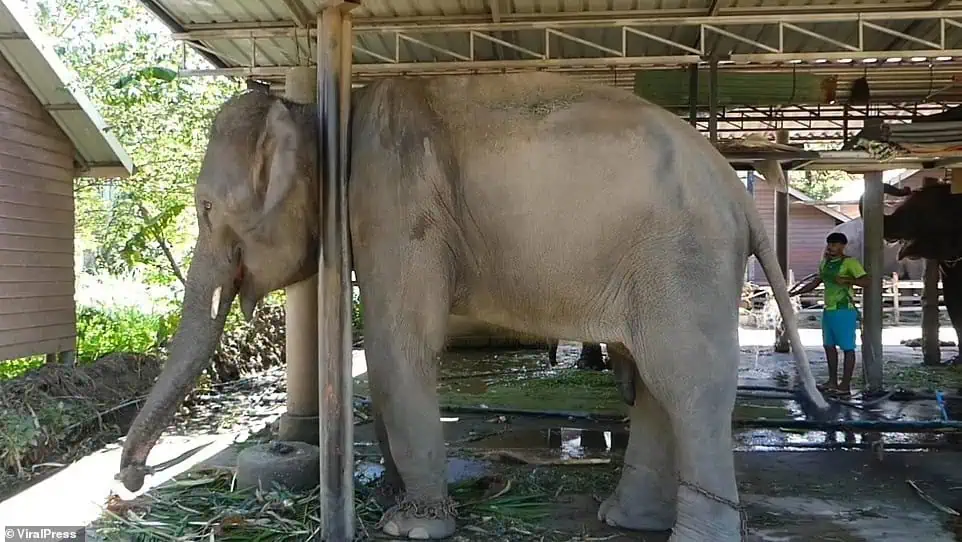
The camp’s owner blamed the pandemic. With no visitors, no income, and few mahouts left to care for the animals, neglect had taken over. “It was never intentional,” he said. “We will make sure this never happens again.”
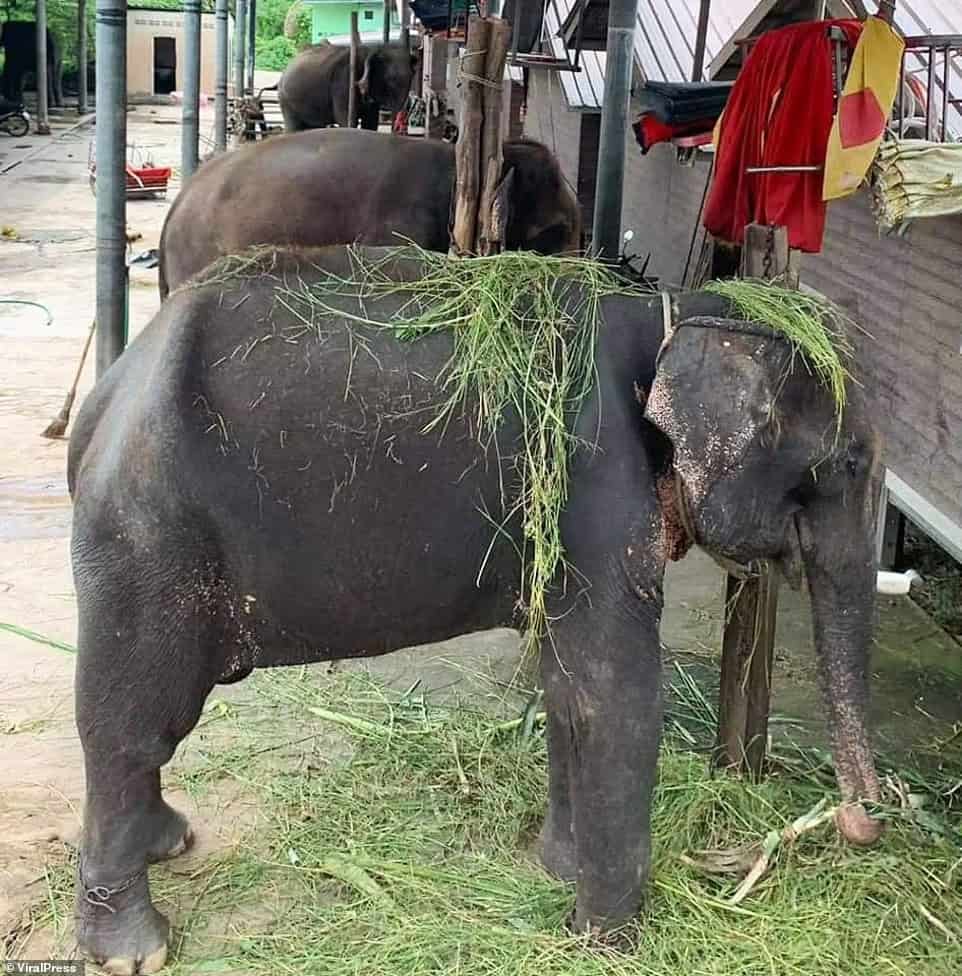
But animal advocates, including PETA, say the problem runs deeper. “Elephants are not entertainment,” said Jason Barker. “They belong in sanctuaries, not chained for profit. The pandemic should be a turning point.”
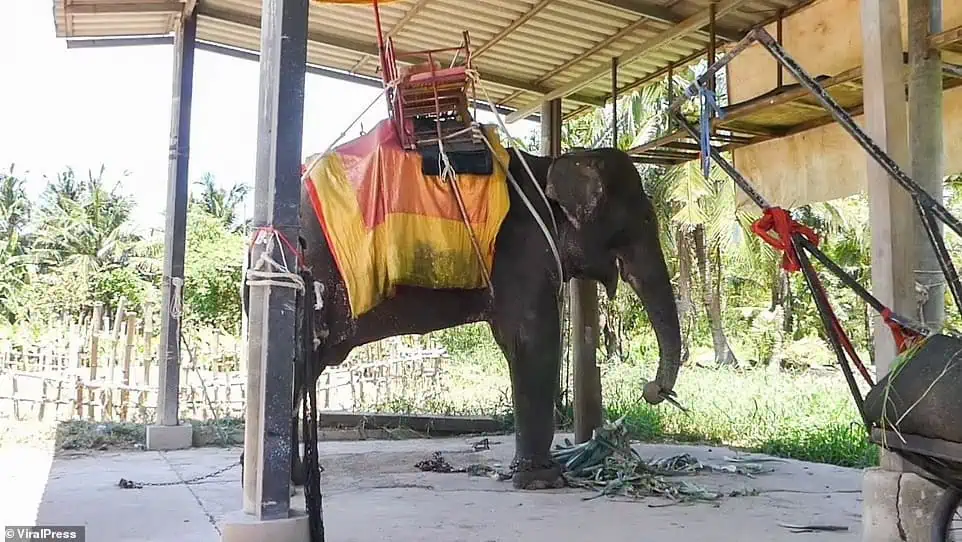
Thailand is home to around 4,000 elephants — half of them in captivity. As the country rebuilds its tourism industry, these silent giants stand as a reminder: when profit stops, compassion must not.