Spending most of her days in a concrete cell behind steel bars, Sunny is constantly rubbing her trunk along the walls of her enclosure out of boredom. Years of scratch marks riddle each of the barren walls.
It has a chilling resemblance to a prison cell.
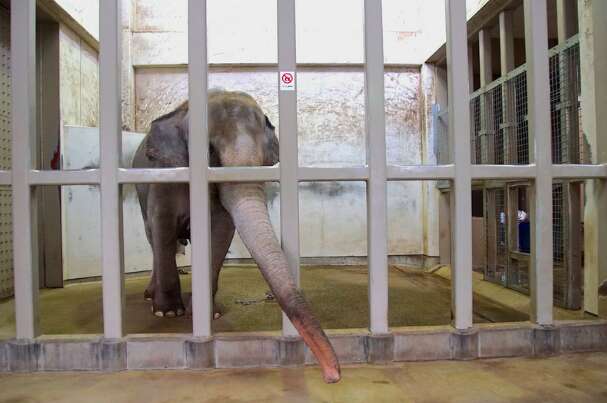
“She stands on concrete for prolonged periods, which is bad for her feet,” Ulara Nakagawa, founder of Elephants in Japan, told The Dodo. “There may be some attempts to compensate for her isolation by interactions with zoo visitors in the outdoor area, however, in the rather noisy indoor environment, she appears to be disturbed by visitors.”
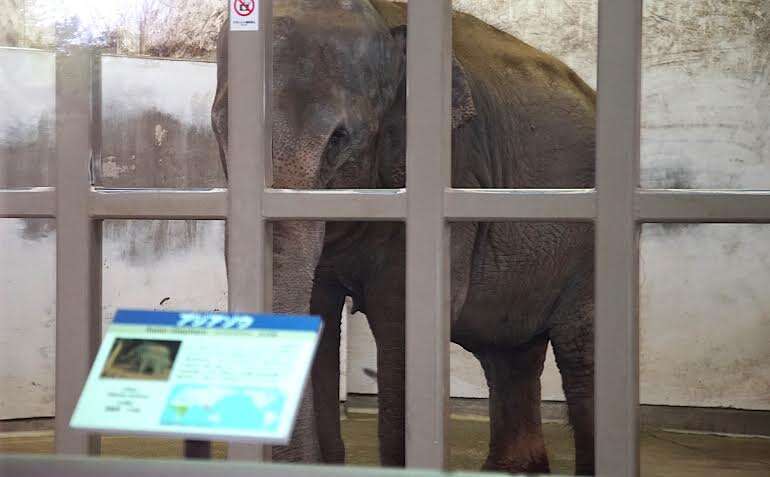
Nakagawa founded Elephants in Japan in memory of Hanako, another elephant, who was confined in solitude for 68 years before dying at the zoo in 2016. Soon after, Nakagawa partnered with ZooCheck to kick off an investigation and research project into the lives of other lonely zoo elephants — and discovered that over a dozen other zoos across Japan were keeping elephants in the same solitary confinements.
Sunny is one of the loneliest elephants of them all, outranked only by Miyako, an elephant who was taken from her family in Thailand at 6 months old to live at the Utsunomiya Zoo in Japan. She’s now been alone for 44 years.
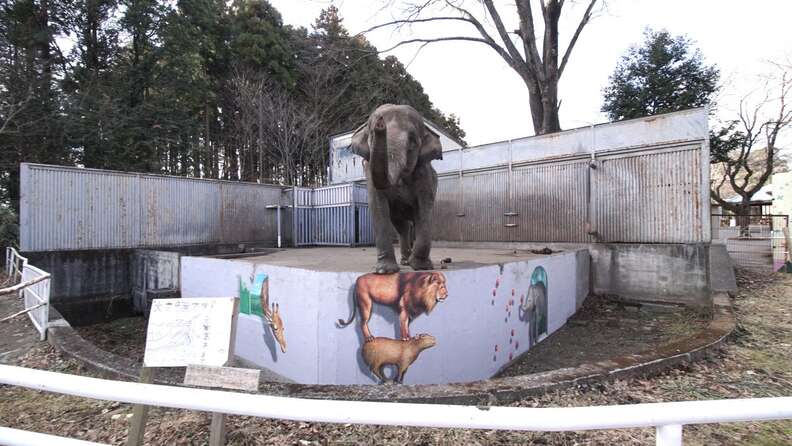
As highly social animals, elephants form important family bonds with one another, and female elephants in particular never stray very far from their herd. They have been known to cry and trumpet when a member of the herd is in trouble, and if one of their own passes away, they mourn deeply.
Elephants in Japan has started separate online petitions for each solitary elephant, including Sunny, as part of a campaign geared at transferring the elephants to a more appropriate facility where they can live alongside others of their own species.
“To ensure optimal welfare, we believe that elephants should be cared for and housed in a meaningful group context,” the group said in the statement. “They are highly social animals and their communicational and physical interactions among individuals are essential to welfare. JAZA members will strive to transfer and integrate singly-housed elephants to a group structure where possible. Some elephants who have lived alone for a very long time might need longer habituation time to new and different environments, as well as social companions.”
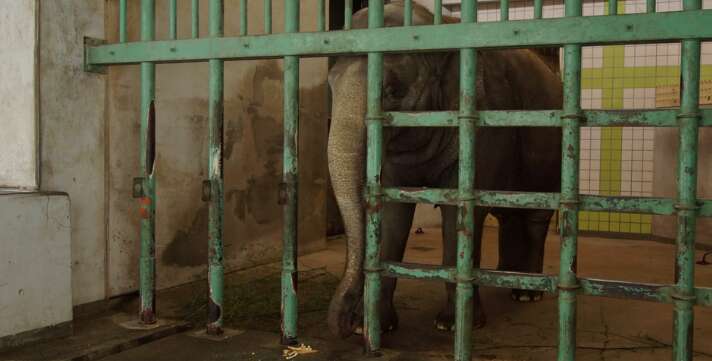
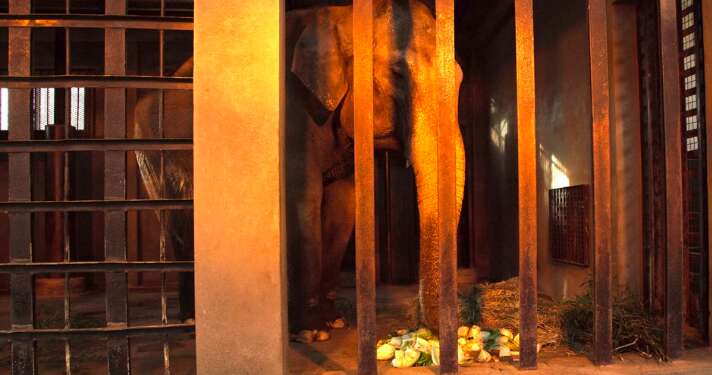
Fuko the zoo elephant, who has spent most of the past nine years inside this cell at Nagano Chausuyama Zoo | Elephants in Japan
Nakagawa hopes that this announcement, in combination with greater pressure from the general public and more animal welfare training programs for zoo industry workers, will spark the much-needed change to help Sunny and the other horribly lonesome elephants.
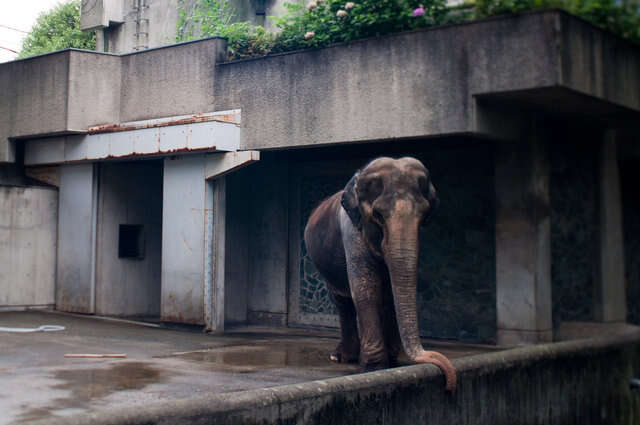
Hanako, the zoo elephant who lived alone for 66 years before dying in 2016 | Flickr/Yu Morita
“One person can make a difference,” Nakagawa said in the report. “It is not a cliché. While it was too late to save Hanako, it is not too late for countless other elephants that need our help.”