DALLAS IN TURMOIL: Micah Parsons Slams Cowboys’ “Costly” Contract Delay — Is Their Procrastination Draining Millions?!

Dallas, TX – The already tense contract negotiations between the Dallas Cowboys and their superstar linebacker, Micah Parsons, have reached a boiling point, marked by increasing public pressure and a perceived lack of urgency from the Cowboys’ front office. On Father’s Day, Parsons himself lit the fuse, telling reporter Clarence Hill that the team’s procrastination in finalizing his contract will inevitably lead to higher costs – a recurring nightmare for Cowboys fans.
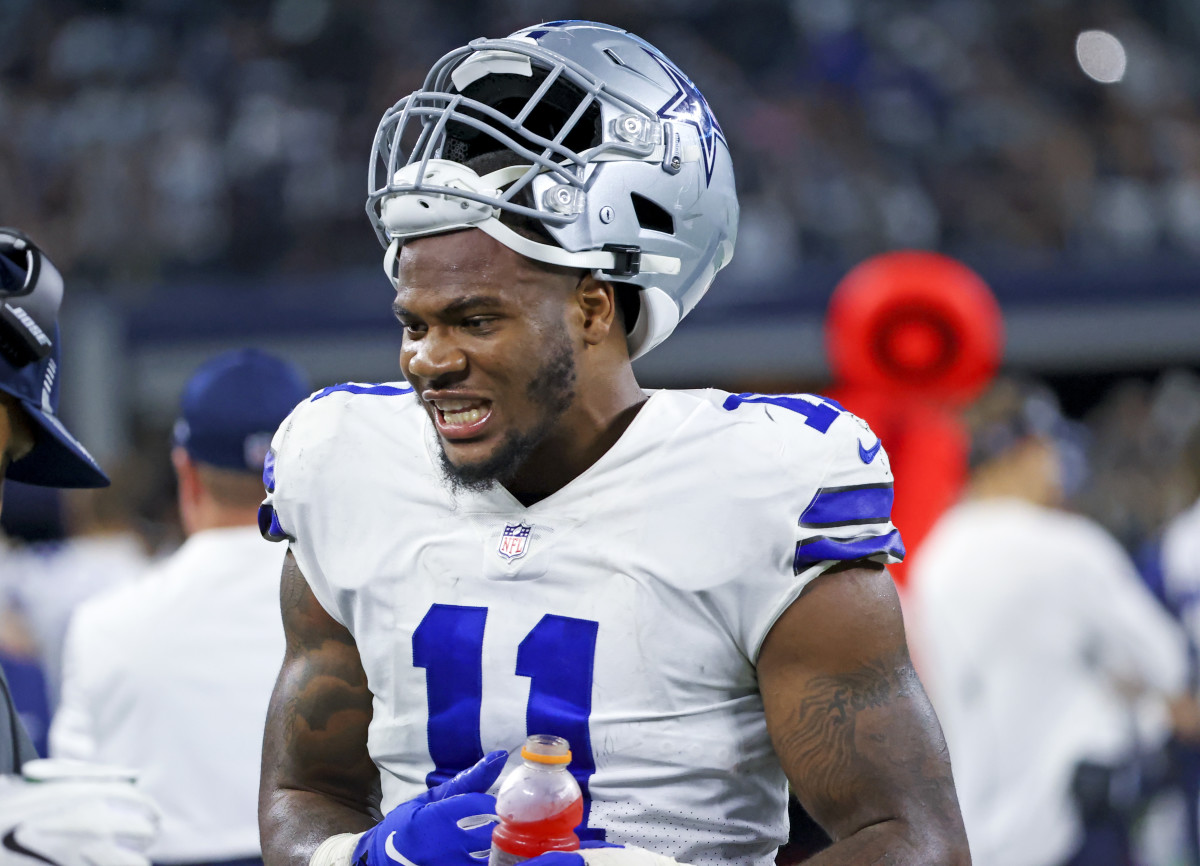
This sentiment echoes a long-standing criticism against the Cowboys’ negotiation strategy, where delays often translate directly into inflated player salaries. As the market for elite non-quarterback talent continues to skyrocket, Parsons is reportedly leveraging the soaring demands of players like TJ Watt, whose new asking price is believed to have surpassed figures initially discussed in a “not-so-secret” meeting with Jerry Jones. This strategic play by Parsons is proving effective, amplifying the widespread criticism of Dallas’s approach.
The core of the issue stems from a meeting held approximately six weeks ago, where Parsons and the Cowboys laid out a general framework for a deal. While no “handshake agreement” was solidified, Parsons apparently left with the impression that a contract was imminent. Yet, weeks have passed without the Cowboys reaching out to his agent to finalize terms, leading to Parsons’ public expressions of perplexity and mounting frustration. This inaction is seen by many as a typical, costly pattern in Dallas’s contract negotiations, often characterized by unnecessary complications and a baffling reluctance to act swiftly.
Critics are vocally arguing that the delay has already proven disastrously costly for the Cowboys. By waiting, the team has missed prime opportunities to secure Parsons at a lower rate. Recent mega-deals for players like Jamar Chase ($40.25 million annually) and Miles Garrett ($123.6 million guaranteed) have set new benchmarks for non-quarterback salaries. Had the Cowboys acted with urgency before these deals were finalized, Parsons’ contract would have been significantly less expensive. The worst-case scenario looms large: if TJ Watt’s new contract surpasses Garrett’s, Parsons’ asking price will undoubtedly climb even higher.
Experts contend there is no strategic benefit for the Cowboys in prolonging these negotiations. Waiting only increases the financial burden, with the best-case scenario being that they pay what they initially intended, and the worst-case being a substantial, multi-million dollar increase. The notion of trading Parsons is widely dismissed as unrealistic, as is the idea that the Cowboys gain any actual leverage by delaying. Instead, the delay is seen as a stubborn adherence to a flawed belief that they hold more negotiation power than they truly do – a belief that historically forces them to cave and pay more in the long run.
Parsons’ recent public comments are being interpreted as a deliberate attempt to force the Cowboys’ hand and instill a sense of urgency. Described as a hyper-competitive player, he desires to be on the field without the distraction of contract drama or holdouts. While he is not naive about the financial aspects, his primary motivation appears to be getting the deal done so he can focus entirely on football. Many within the league share a similar frustration with the repetitive nature of these contract sagas, preferring to discuss on-field performance and training camp preparations rather than drawn-out financial battles.
Financial projections for Parsons’ contract suggest an annual average value of at least $40.5 million, potentially skyrocketing to $42.5 million, especially if a deal is not finalized before TJ Watt’s impending contract sets a new market high. The duration of the contract, whether a four or five-year term, will also play a crucial role in the final figures. The Cowboys are facing harsh criticism for their consistent lack of proactivity in contract negotiations, solidifying their reputation as an organization that can be “waited out.” The use of franchise tags, often seen as a team’s leverage, is ironically viewed as a limiting factor in this situation, restricting the team’s financial flexibility and creativity. The overarching message from analysts and frustrated fans alike is a desperate plea for the Cowboys to act decisively and pay Parsons now to avoid further escalation of costs and unnecessary drama that could derail their season.