When you purchase through links on our site, we may earn an affiliate commission. Here’s how it works.
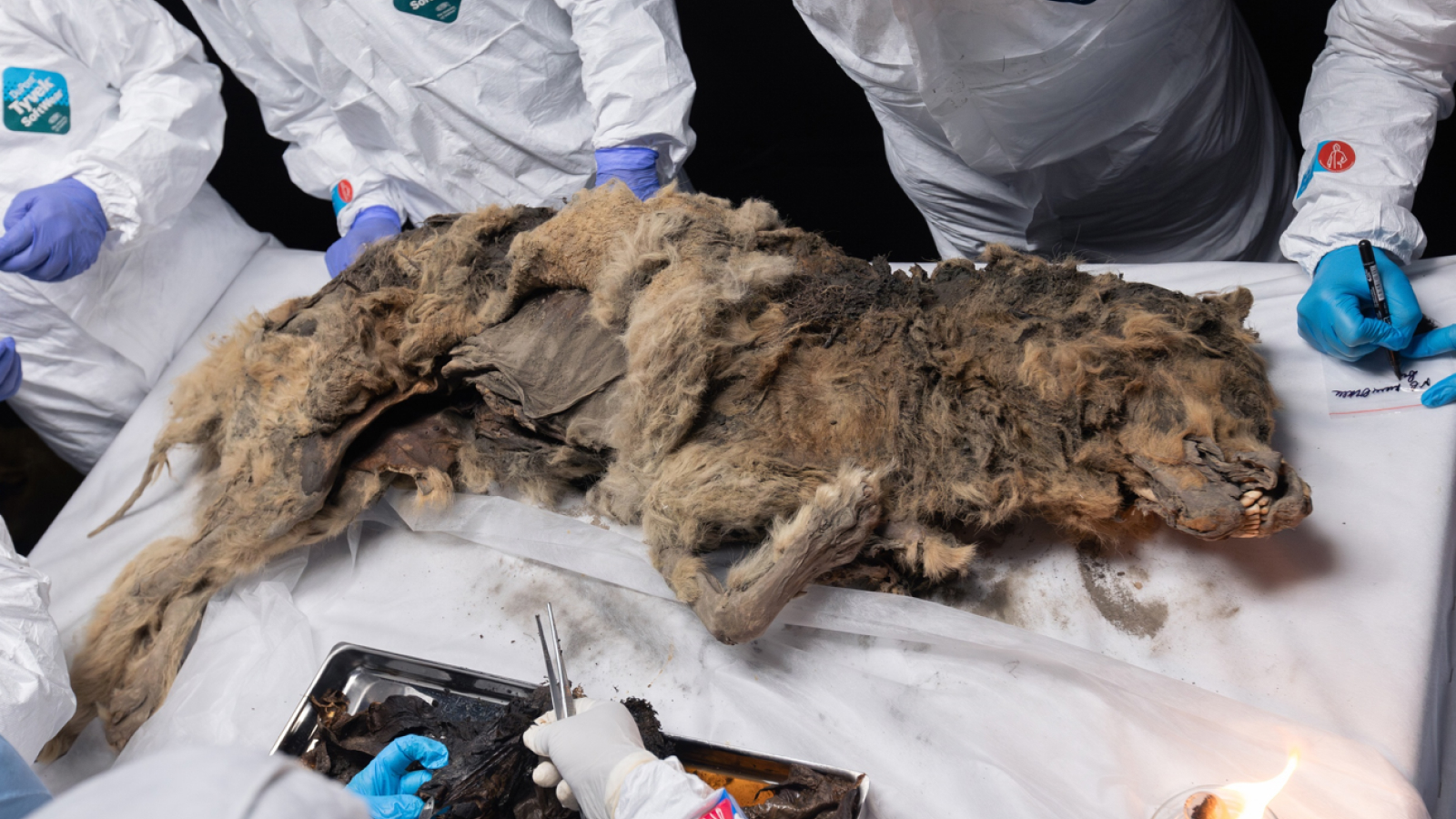
This is the first complete adult wolf dating to the late Pleistocene (2.6 million to 11,700 years ago) ever discovered, according to a translated statement from the North-Eastern Federal University in Yakutsk, where the necropsy was performed. The discovery, scientists say, will help us better understand life in the region during the last ice age.
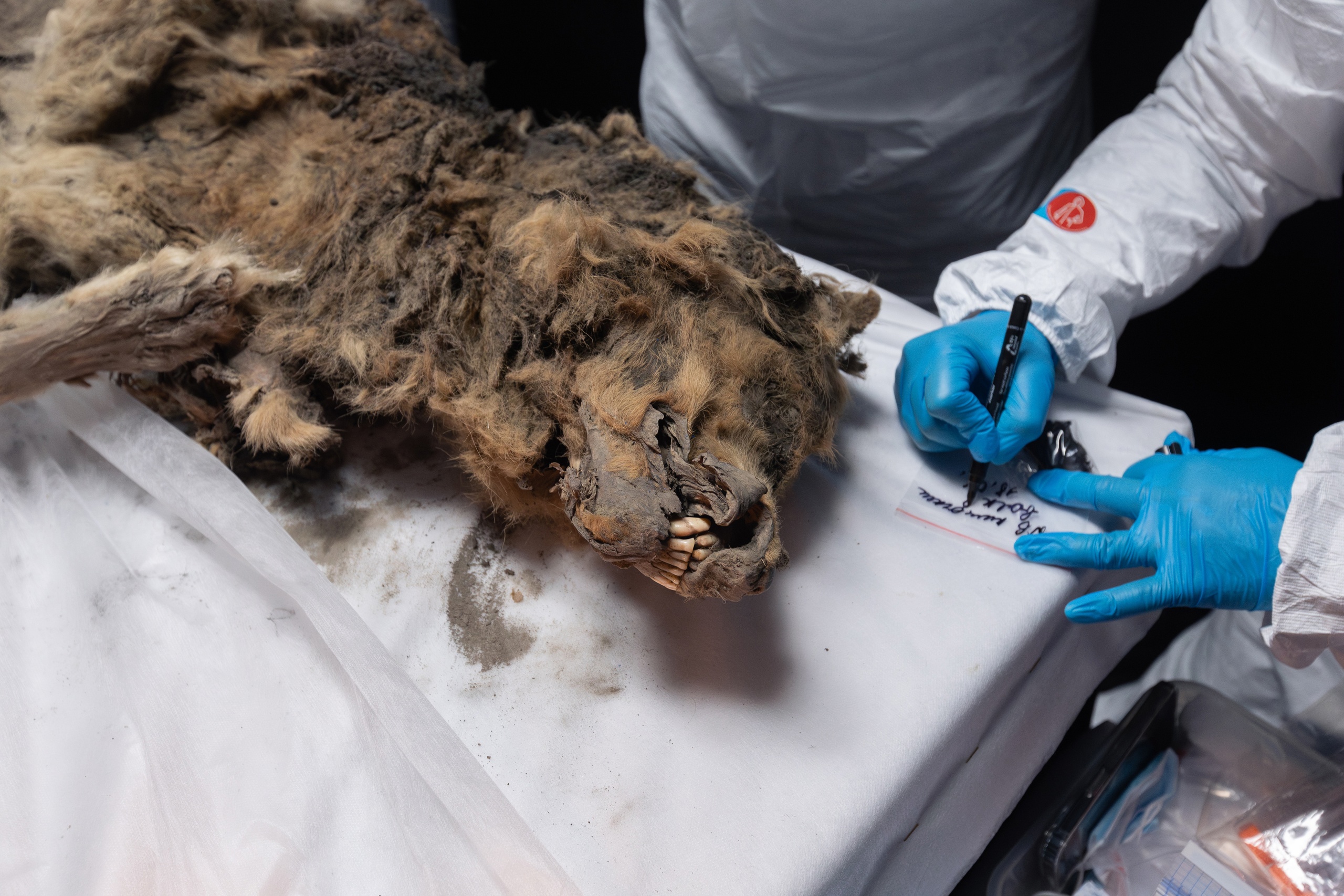
Researchers took samples from the wolf’s stomach and digestive tract. (Image credit: North-Eastern Federal University)
He added the wolf, which tooth analysis revealed was male, would’ve been an “active and large predator,” so they will be able to find out what it was eating, along with the diet of its victims, which “also ended up in his stomach.”
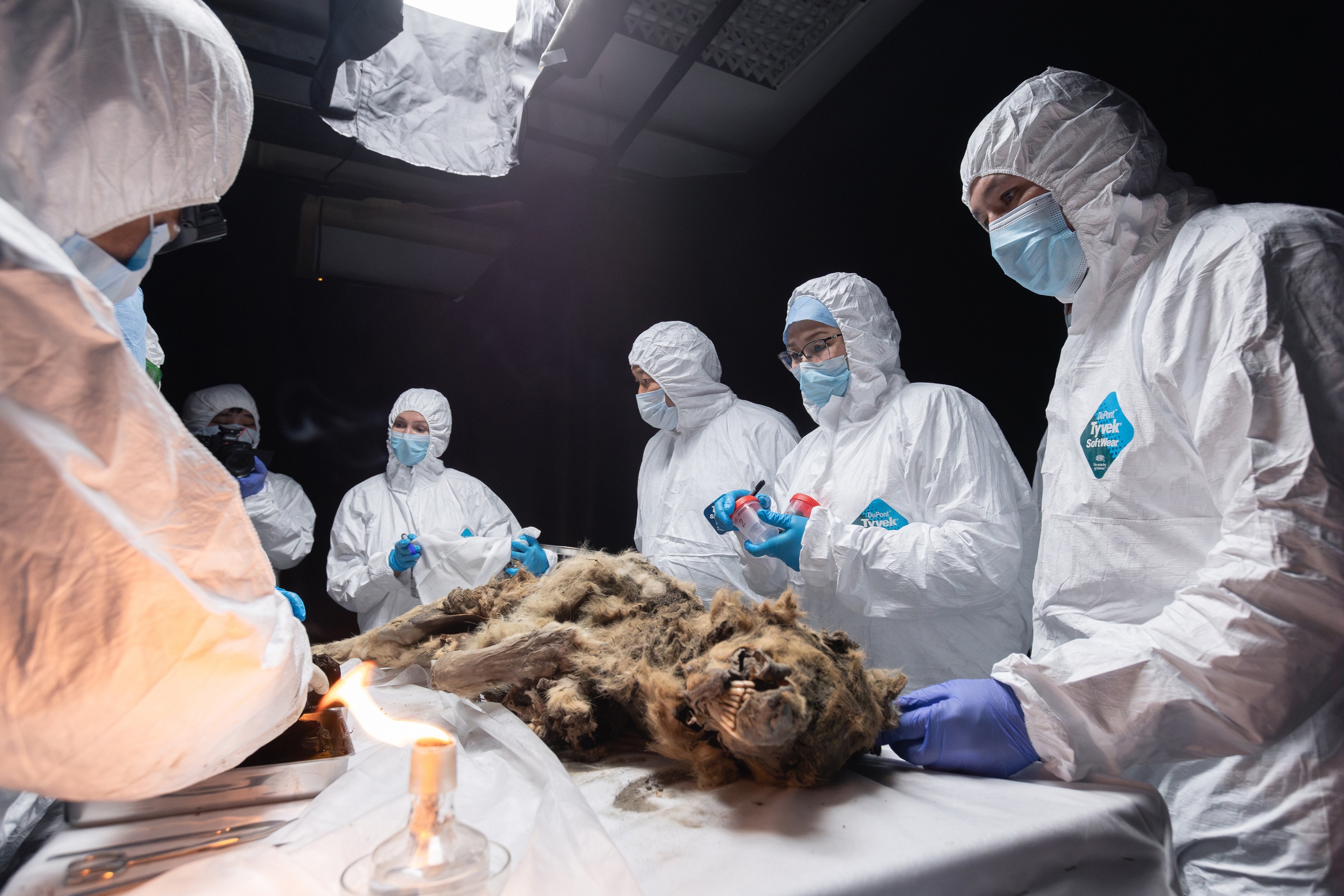
The wolf necropsy is part of an ongoing project to study the wildlife that lived in the region during the Pleistocene. Other species examined include ancient hares, horses and a bear from the Holocene. The team plans to study the wolf’s genome to understand how it relates to other ancient wolves from the region, and how it compares to its living relatives. The team now plans to start studying another ancient wolf discovered in the Nizhnekolymsk region of northeast Siberia in 2023.
The wolf necropsy is part of a larger project to understand the ancient fauna from Siberia. (Image credit: North-Eastern Federal University)
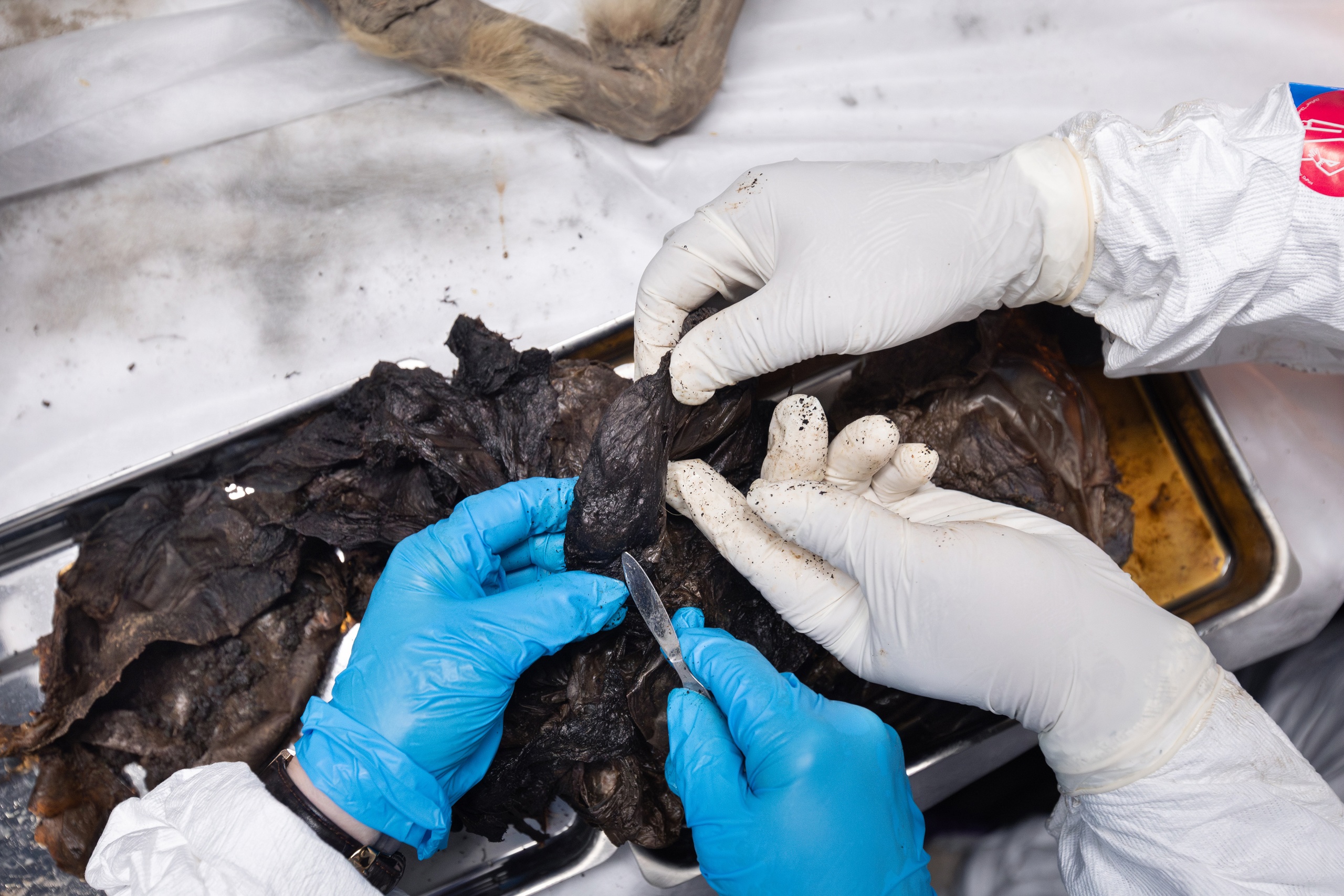
Researchers examined the preserved organs of the wolf during the necropsy. (Image credit: North-Eastern Federal University)
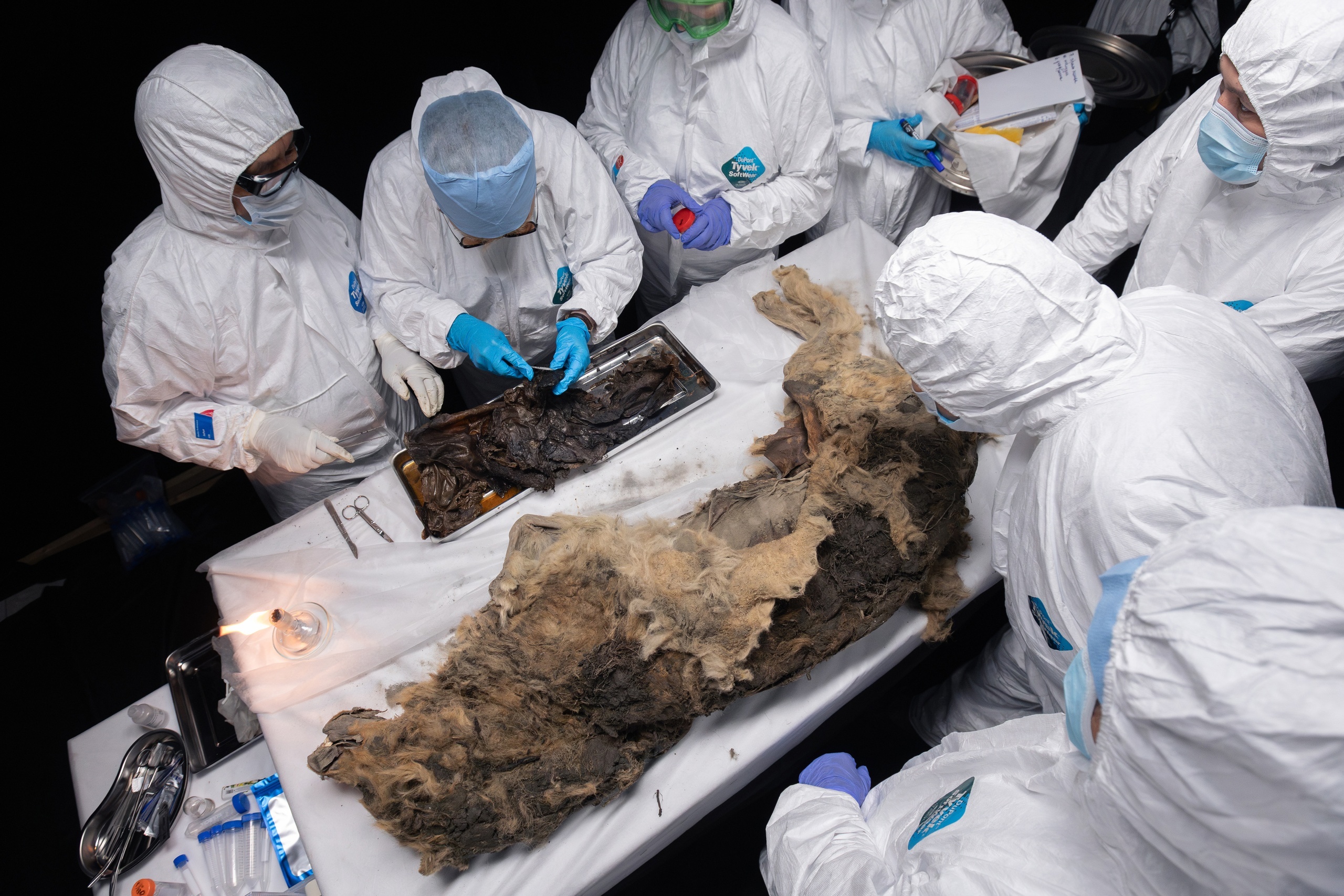
The researchers hope to learn how this wolf is related to its modern-day relatives. (Image credit: North-Eastern Federal University)
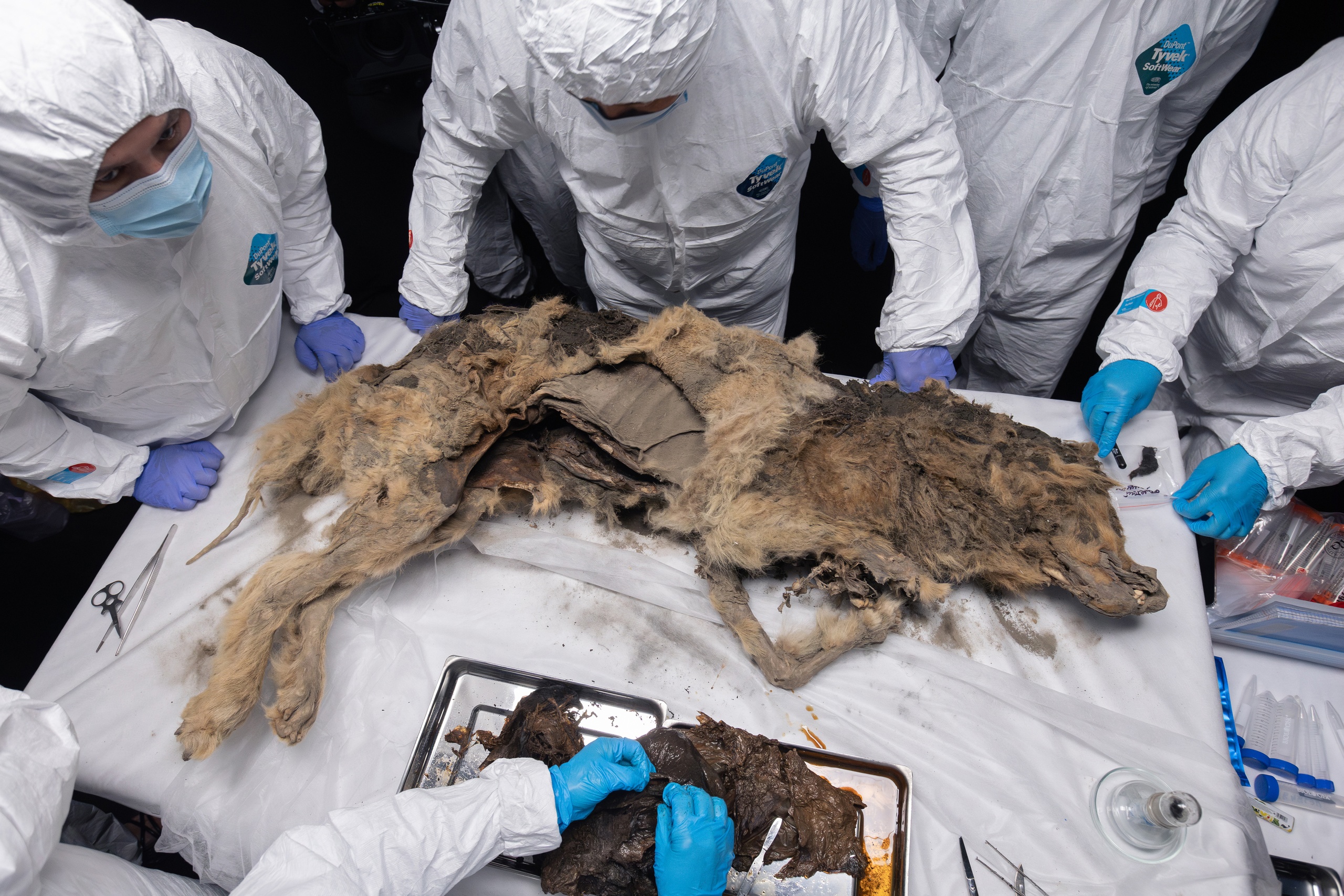
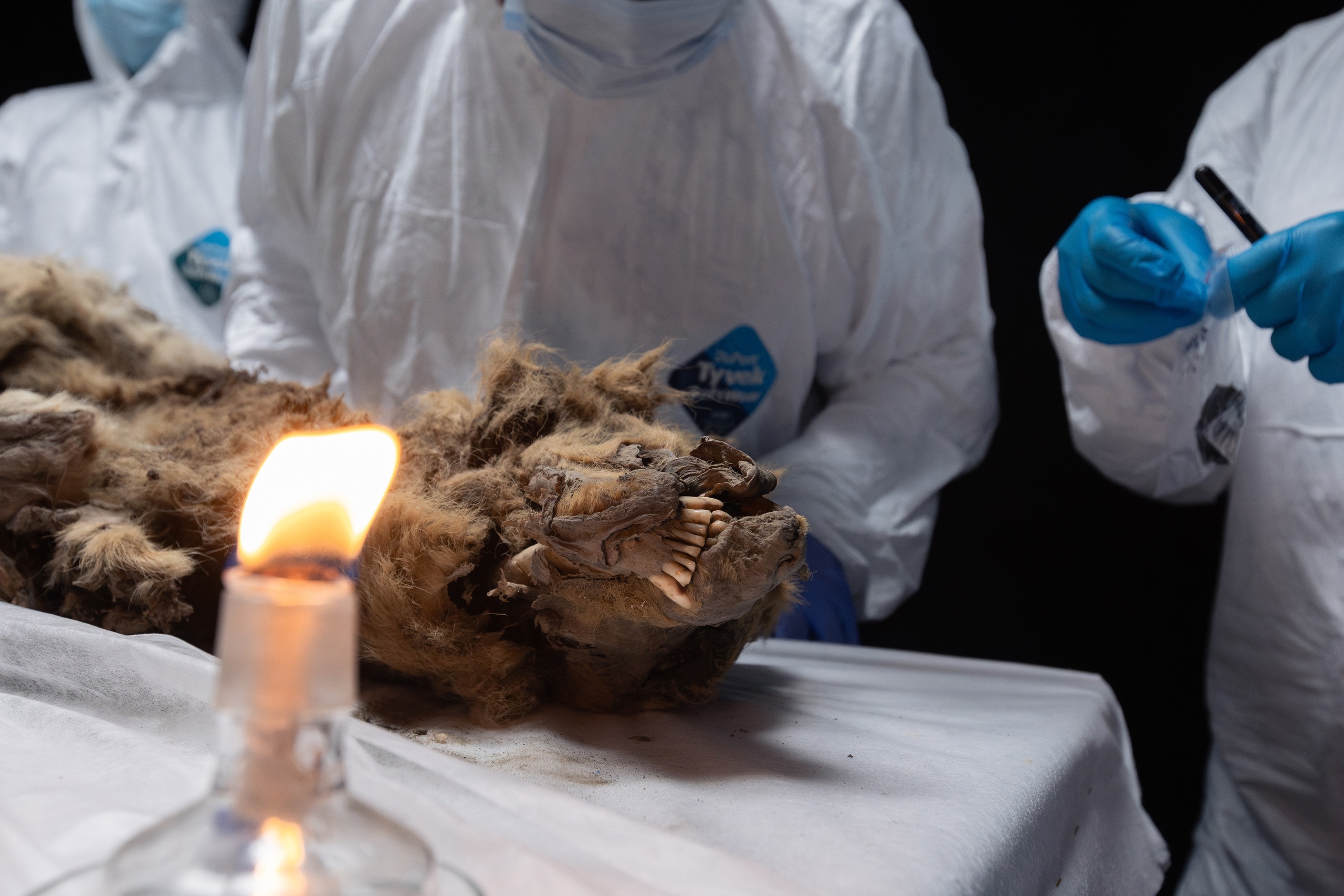
Researchers will examine the samples taken for viruses. (Image credit: North-Eastern Federal University)